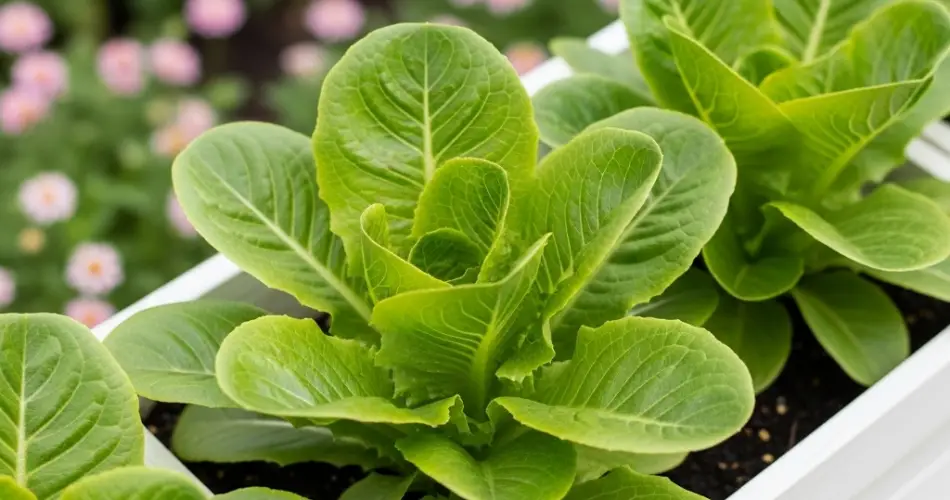
Starting a garden doesn’t have to require a big backyard or a green thumb. If you’re new to gardening, one of the best and easiest crops to start with is lettuce. Lettuce is quick-growing, forgiving, and perfect for growing in containers. Whether you have a balcony, a sunny window, or a small patio, you can successfully grow your own fresh greens in pots. This article will guide beginners through the process of growing lettuce in containers—from setup to harvest.
Why Lettuce is Ideal for New Gardeners
Lettuce is one of the simplest vegetables to grow, especially for beginners. It thrives in small spaces, grows quickly, and doesn’t require special care. Plus, you can harvest it multiple times, making it a productive choice for container gardening.
Benefits of growing lettuce in containers:
-
Requires minimal space and tools
-
Grows quickly—ready to harvest in just a few weeks
-
Can be grown indoors or outdoors
-
Easy to care for and pest-resistant
-
Offers multiple harvests from a single planting
Choosing the Right Container
To grow lettuce successfully in containers, start by selecting the right pot. Lettuce doesn’t need deep soil but does benefit from a wide surface area for multiple plants.
Ideal container features:
-
At least 6–8 inches deep
-
Wide enough to allow spacing (e.g., window boxes, rectangular planters, or wide pots)
-
Has adequate drainage holes
Plastic, terracotta, fabric grow bags, and repurposed wooden boxes all work well. Be sure to clean any reused containers thoroughly before planting.
Selecting Soil and Preparing the Pot
Lettuce prefers light, nutrient-rich, and well-draining soil. Avoid heavy garden soil, which may compact and hinder root growth in containers.
Soil mix suggestions:
-
Use high-quality potting mix with compost
-
Add perlite or vermiculite to improve drainage and aeration
-
Moisten the mix lightly before planting
Fill your container with the prepared potting mix, leaving about an inch of space from the rim to make watering easier.
Choosing Lettuce Varieties
Several types of lettuce grow well in containers:
-
Loose-leaf (like Black Seeded Simpson or Red Salad Bowl): grows quickly and allows for continuous harvesting
-
Romaine: upright growth, ideal for narrow containers
-
Butterhead: soft, tender leaves with a small, compact head
-
Cut-and-come-again mixes: designed for frequent harvesting
For beginners, loose-leaf varieties are the easiest to manage and most forgiving if conditions fluctuate.
Planting Lettuce
From seeds:
-
Sow seeds directly into the soil, about 1/8 inch deep
-
Space them 1–2 inches apart for baby leaves, or 4–6 inches apart for full heads
-
Lightly cover with soil and gently water
From seedlings:
-
Dig small holes spaced appropriately
-
Gently place the seedlings, making sure not to bury them too deep
-
Press soil around each plant and water
If planting multiple rows in one container, leave about 4 inches between rows for good airflow.
Watering and Light Requirements
Lettuce needs consistent moisture to grow tender leaves. Dry soil can cause bitterness or bolting (early flowering).
Watering tips:
-
Keep soil evenly moist, but not soggy
-
Water in the morning to reduce evaporation
-
During hot weather, check soil daily and water more frequently
Light requirements:
-
Lettuce thrives in 4–6 hours of sunlight daily
-
If growing indoors, place containers near a sunny window or use grow lights
-
In hotter climates, provide partial shade during the hottest part of the day
Feeding and Maintenance
Lettuce is a light feeder, but adding nutrients will encourage lush growth.
-
Use a diluted liquid fertilizer (like compost tea or fish emulsion) every two weeks
-
Remove any yellowing or damaged leaves to maintain plant health
-
Thin crowded seedlings to prevent disease and promote air circulation
You can also mulch with dried leaves, straw, or coconut husk to retain moisture and keep soil cool.
Harvesting Lettuce
You can begin harvesting baby greens as early as 3 weeks after planting. For mature leaves, wait 5–7 weeks depending on the variety.
Two harvesting methods:
-
Cut-and-come-again: Trim outer leaves, allowing the center to keep growing
-
Full harvest: Cut the entire plant at the base when it reaches full size
Always use clean scissors or a knife to prevent damage and disease.
Common Problems and How to Avoid Them
-
Bolting: Caused by heat or lack of water. Move containers to shade and keep soil moist.
-
Aphids: Spray with water or neem oil to deter them.
-
Fungal issues: Avoid overhead watering, ensure proper drainage, and thin plants if needed.
Final Thoughts
Growing lettuce in containers is a great way for beginners to dive into gardening without stress. With a few pots, some soil, and a sunny spot, you can enjoy crisp, homegrown greens in just a few weeks. Whether you’re preparing sandwiches, salads, or wraps, fresh lettuce picked from your own mini garden adds flavor and satisfaction to every bite.
Start small, stay consistent, and you’ll find that container gardening is not only doable—it’s deliciously rewarding.


