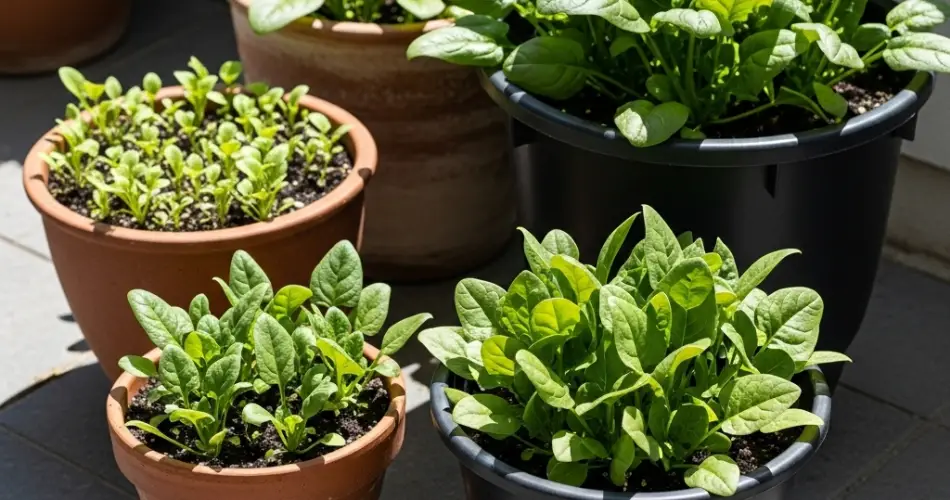
If you love adding fresh, nutrient-rich greens to your meals but don’t have the luxury of a garden, growing spinach in containers is the perfect solution. Spinach is one of the best leafy vegetables for small spaces, thriving in pots and patio planters. With just a little sunlight, water, and care, you can enjoy a steady supply of fresh spinach leaves straight from your balcony or windowsill.
Whether you’re a beginner or a seasoned gardener looking to maximize space, this guide will walk you through growing spinach successfully in containers.
Why Spinach is Ideal for Small-Space Gardening
Spinach is a cool-season crop that matures quickly and grows well in shallow soil, making it an excellent candidate for containers. It’s also packed with nutrients like iron, calcium, vitamins A and C, and antioxidants—making it a healthy, practical addition to any home garden.
Benefits of growing spinach in containers:
-
Requires minimal space
-
Easy to grow and maintain
-
Can be grown on patios, balconies, or indoors
-
Offers quick harvests and multiple cuttings
-
Ideal for vertical or mobile gardens
Choosing the Right Container
Spinach doesn’t require deep soil but does need enough space for roots to spread and for proper air circulation. You can grow it in:
-
Round pots (at least 6–8 inches deep)
-
Rectangular balcony planters
-
Window boxes
-
Recycled containers with drainage holes
Ensure your container has good drainage to prevent waterlogging, which can lead to root rot.
Soil and Preparation
Use a high-quality, well-draining potting mix enriched with organic matter. Avoid heavy garden soil, which may compact and hinder root development.
Soil preparation tips:
-
Choose a potting mix with compost or worm castings for nutrients
-
Mix in perlite or coconut coir to improve aeration
-
Moisten the soil lightly before planting
Fill the container to about an inch below the rim, pressing down gently to remove air pockets.
Selecting Spinach Varieties
Different spinach varieties suit different climates and container sizes. Consider the following types:
-
Savoy (curly-leaf): Cold-hardy and textured
-
Semi-savoy: Easier to clean and disease-resistant
-
Flat-leaf: Smooth, tender leaves perfect for salads
Many gardeners prefer fast-maturing varieties for containers. Look for baby spinach or compact cultivars suited for limited space.
Planting Spinach in Containers
From Seeds:
-
Sow seeds directly into the container about ½ inch deep
-
Space seeds 2–3 inches apart
-
Lightly cover with soil and water gently
From Seedlings:
-
Transplant carefully to avoid damaging roots
-
Maintain spacing of about 3–4 inches between each plant
Thin the seedlings once they grow a few inches tall to avoid overcrowding and ensure strong, healthy plants.
Watering and Light Requirements
Spinach enjoys cool temperatures and moist soil. Consistent watering and adequate sunlight are key to growing lush, green leaves.
Watering tips:
-
Keep the soil evenly moist but not soggy
-
Water at the base to avoid leaf diseases
-
Reduce watering slightly once the plant is mature, unless the weather is hot
Light requirements:
-
Spinach needs 4–6 hours of sunlight per day
-
In warmer climates, place containers where they receive morning sun and afternoon shade
-
If growing indoors, use a grow light positioned about 6 inches above the plants
Fertilizing and Maintenance
Spinach is a leafy vegetable, so it thrives on nitrogen-rich nutrients.
Fertilizing tips:
-
Use a balanced organic fertilizer or compost tea every two weeks
-
Avoid over-fertilizing, which can lead to excessive leaf growth with poor taste
General care:
-
Remove yellowing or damaged leaves regularly
-
Keep the soil weed-free
-
Mulch the surface with dried leaves or straw to retain moisture and keep roots cool
Harvesting Spinach
Spinach grows quickly and can be harvested in as little as 4–6 weeks. You can harvest in two ways:
-
Baby leaves: Pick individual outer leaves when they reach 3–4 inches long, leaving the inner leaves to continue growing.
-
Full harvest: Cut the whole plant at the base once it reaches maturity.
Use scissors or garden shears to avoid damaging the roots, especially if you plan to regrow or reseed the pot.
Managing Common Issues
-
Bolting: Spinach tends to bolt (go to seed) in warm weather. Use heat-resistant varieties and provide shade in hot climates.
-
Leaf spots or mildew: Improve air circulation and avoid wetting the leaves when watering.
-
Aphids or caterpillars: Spray leaves with a mild soap solution or neem oil if pests appear.
Final Thoughts
Spinach is one of the easiest and most rewarding crops to grow in containers. It requires little space, grows fast, and offers multiple harvests, making it perfect for balconies, patios, and indoor gardens. With the right care, you’ll enjoy fresh, nutrient-dense greens whenever you need them—straight from your own mini spinach patch.
Whether you’re sautéing it, blending it into smoothies, or tossing it into salads, homegrown spinach adds flavor, freshness, and a sense of accomplishment to your meals. Start with a single pot, and soon you’ll be hooked on the ease and satisfaction of space-saving gardening.


