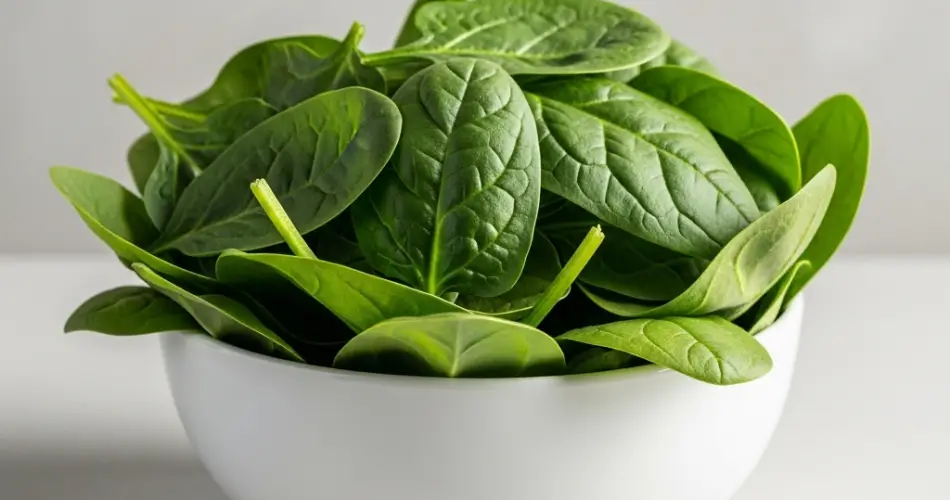
You don’t need a sprawling garden to enjoy a steady supply of fresh, healthy spinach. In fact, all it takes is a simple container, a sunny spot, and a handful of seeds to get started. Container gardening is an excellent way to grow spinach at home, whether you live in a city apartment, have a small patio, or just want easy access to greens right outside your kitchen.
Spinach is a cool-season crop known for its fast growth, impressive nutritional content, and adaptability to small spaces. If you’re looking to start a low-maintenance, high-yield project, growing spinach in a container may be the easiest route to a healthy bowl of greens.
Why Spinach is Perfect for Containers
Spinach has shallow roots and grows quickly, making it ideal for container gardening. It thrives in well-drained soil, needs only a moderate amount of sunlight, and doesn’t take up much space.
Benefits of growing spinach in containers:
-
Takes up little space—perfect for balconies and windowsills
-
Fast harvest time (4–6 weeks from seed)
-
Grows in partial sun or cooler temperatures
-
Easy to maintain
-
Reduced exposure to garden pests
-
Great for beginners and experienced gardeners alike
Best Spinach Varieties for Container Growing
While most spinach types can grow in containers, some perform better in compact spaces and resist bolting (going to seed too early). Here are a few recommended varieties:
-
Baby Leaf Spinach – Tender and fast-growing, ideal for salads
-
Bloomsdale Long Standing – Hearty and flavorful with good bolt resistance
-
Tyee – Great for continuous harvesting and mild climates
-
Space Spinach – Resistant to disease and heat, perfect for container gardens
What You’ll Need to Start
Before planting, gather the following materials:
-
A container (6–8 inches deep, any width) with drainage holes
-
High-quality potting mix with compost or organic matter
-
Spinach seeds
-
Watering can or spray bottle
-
Sunny location (4–6 hours of daily sunlight)
Step-by-Step: How to Grow Spinach in a Container
1. Choose the Right Container
Use any container with drainage—planters, pots, bins, even repurposed buckets. Wider containers allow you to grow more plants side by side.
2. Fill with Potting Mix
Use a loose, well-draining potting mix enriched with compost. Avoid using heavy garden soil, which can compact in containers and reduce airflow to roots.
3. Sow the Seeds
Plant seeds about ½ inch deep and 2–3 inches apart. For baby spinach, you can sow them a bit closer. Lightly cover with soil and water gently.
4. Place in a Sunny Spot
Spinach does best with at least 4 hours of sunlight a day. In hotter climates, choose a location with morning sun and afternoon shade to prevent bolting.
5. Water Gently and Consistently
Keep the soil moist, especially during germination. Avoid waterlogging. Check the top inch of soil daily—if it feels dry, it’s time to water.
Caring for Your Spinach Plants
Once your spinach seedlings sprout (usually within 5–10 days), they’ll require minimal care.
-
Water: Maintain consistent moisture. Dry soil can cause the plant to bolt.
-
Thin Seedlings: Once plants are 2–3 inches tall, thin them out to allow space for full leaf development.
-
Fertilize: Use a diluted liquid fertilizer every 2–3 weeks if your potting mix lacks nutrients. Organic options like compost tea or fish emulsion work well.
-
Rotate Containers: If sunlight is uneven, rotate the container every few days to ensure even growth.
Harvesting Spinach from a Container
Spinach is typically ready to harvest in about 30–45 days, but you can start harvesting baby leaves earlier.
Cut-and-come-again method:
-
Use clean scissors to snip the outer leaves when they are 4–6 inches long.
-
Leave the center leaves untouched so the plant keeps growing.
-
Continue harvesting as needed for several weeks.
For a full harvest, pull the entire plant once it matures or starts to bolt.
Troubleshooting Common Issues
Yellowing Leaves
-
Could indicate overwatering or lack of nitrogen. Adjust watering and consider feeding with a balanced fertilizer.
Plants Bolting Early
-
This happens in warm temperatures. Provide partial shade or grow during cooler seasons.
Slow Growth
-
Check for overcrowding or depleted soil. Thin seedlings and refresh soil as needed.
Replanting for Continuous Greens
Spinach grows quickly, which means you can stagger your planting every 2–3 weeks for a continuous supply. Once one batch is done, replant with fresh seeds in the same container (after enriching the soil) or start a new batch in a separate container.
Final Thoughts
A fresh bowl of spinach truly can start in a simple container. With minimal effort, even the smallest space can become a source of nutritious, homegrown greens. Whether you’re growing on a balcony, porch, or sunny windowsill, spinach is a reliable crop that delivers flavor and health in every leaf.
From seeding to harvesting, spinach in containers is an easy and satisfying way to enjoy gardening—and to put fresh, green goodness right on your plate.


