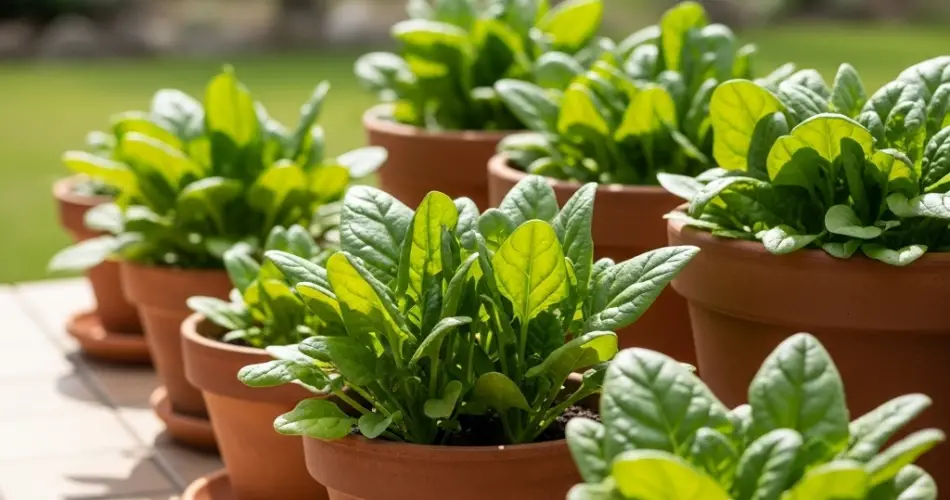
Growing your own spinach doesn’t require a traditional garden bed. In fact, spinach grows exceptionally well in pots, making it perfect for anyone with limited space, no yard, or an interest in clean and simple container gardening. Whether you’re living in an apartment, have a small patio, or just prefer a more manageable way to grow your greens, pot gardening offers a convenient, space-saving solution.
Spinach is fast-growing, nutrient-rich, and easy to care for, making it a smart choice for container gardening. Here’s a complete guide to growing spinach in pots—without ever touching a soil bed.
Why Grow Spinach in Pots?
Spinach is well-suited for container gardening because it has shallow roots and thrives in cool temperatures. Growing it in pots gives you control over the soil quality, sunlight exposure, and watering—plus it keeps pests and diseases at bay. Pots also make it easier to move your spinach into the shade or indoors during heatwaves, helping prevent the plants from bolting (going to seed too early).
Benefits include:
-
No need for yard or garden beds
-
Perfect for balconies, patios, rooftops, or windowsills
-
Easier pest and soil control
-
Minimal weeding required
-
Quick and convenient harvesting
Choosing the Right Pot
When growing spinach in containers, choose a pot that offers good drainage and enough room for growth.
Recommended pot features:
-
Depth: At least 6–8 inches
-
Width: A wider surface allows for multiple plants
-
Material: Plastic, terracotta, fabric grow bags, or wooden boxes
-
Drainage: Essential to prevent water buildup and root rot
For continuous harvesting, consider using long rectangular planters or multiple round pots placed side by side.
Preparing the Soil
Spinach prefers a loose, nutrient-rich soil that drains well. Since you’re not planting in a garden bed, it’s important to give your spinach a good start with a quality potting mix.
Ideal soil mix:
-
Potting soil combined with compost or worm castings
-
Add perlite or vermiculite for improved aeration
-
Ensure soil remains loose and slightly moist
Before planting, fill your container with soil, leaving about an inch from the rim for easier watering. Lightly moisten the soil before sowing seeds or transplanting seedlings.
Choosing Spinach Varieties
Some spinach varieties perform better in pots than others. Look for compact or fast-growing types, especially if you want quick harvests or have limited space.
Great options for pots:
-
Baby spinach varieties
-
Semi-savoy types (less wrinkled, easier to clean)
-
Flat-leaf types for tender, smooth leaves
-
Heat-tolerant cultivars if growing in warm climates
If you’re planting in cooler months, traditional savoy types also do well and can withstand light frosts.
Planting Spinach in Pots
You can start spinach from seeds or seedlings.
From seeds:
-
Sow seeds ½ inch deep and 2–3 inches apart
-
Cover lightly with soil and water gently
-
For continuous harvests, plant a new batch every 2–3 weeks
From seedlings:
-
Space 3–4 inches apart to allow full leaf development
-
Gently press soil around the base of each plant
-
Water immediately after transplanting
Thinning is essential if the plants are too crowded—overcrowding leads to stunted growth and disease susceptibility.
Watering and Sunlight
Spinach enjoys cool weather and moist soil. It needs the right balance of sunlight and water to thrive.
Watering tips:
-
Keep the soil consistently moist, not soggy
-
Check the top inch of soil; if it’s dry, it’s time to water
-
Avoid overhead watering to prevent fungal issues
Sunlight needs:
-
4–6 hours of direct sunlight daily
-
In warmer regions, place pots where they get morning sun and afternoon shade
-
Indoors, use a grow light if natural sunlight is limited
Feeding and Maintenance
Spinach is a leafy vegetable, which means it benefits from nitrogen-rich nutrients.
Fertilizing tips:
-
Use diluted organic liquid fertilizer every two weeks
-
Avoid overfeeding, which can lead to overly soft growth
-
Mix in compost before planting for a nutrient boost
Regularly remove yellowing or damaged leaves to keep the plant healthy. Mulching with dry leaves or straw helps conserve moisture and keeps soil temperatures steady.
Harvesting Your Spinach
You can begin harvesting baby leaves around 3–4 weeks after sowing. Mature leaves are usually ready in 6–8 weeks.
Two main harvesting methods:
-
Cut-and-come-again: Snip outer leaves with scissors, allowing the center to regrow.
-
Full harvest: Cut the entire plant at the base if you’re ready to clear the container for replanting.
Always use clean scissors or garden shears to prevent disease.
Common Problems and Solutions
-
Bolting: High temperatures or long daylight hours can cause early flowering. Use heat-resistant varieties and provide shade in hot weather.
-
Yellow leaves: Often a sign of overwatering or poor drainage. Check your pot’s drainage and adjust watering.
-
Pests: Aphids and leaf miners may appear. Spray with neem oil or soapy water to control them naturally.
Final Thoughts
You don’t need a traditional garden to enjoy fresh, homegrown spinach. A few pots, quality soil, and a bit of sunlight are all it takes to create your own leafy green supply. Container spinach gardening is a simple, effective way to grow healthy food—even in the smallest of spaces.
By growing spinach in pots, you can harvest delicious, tender leaves whenever you need them—perfect for salads, stir-fries, smoothies, and more. Whether you’re short on space or just looking for a fuss-free gardening method, spinach in pots is an ideal place to start.


