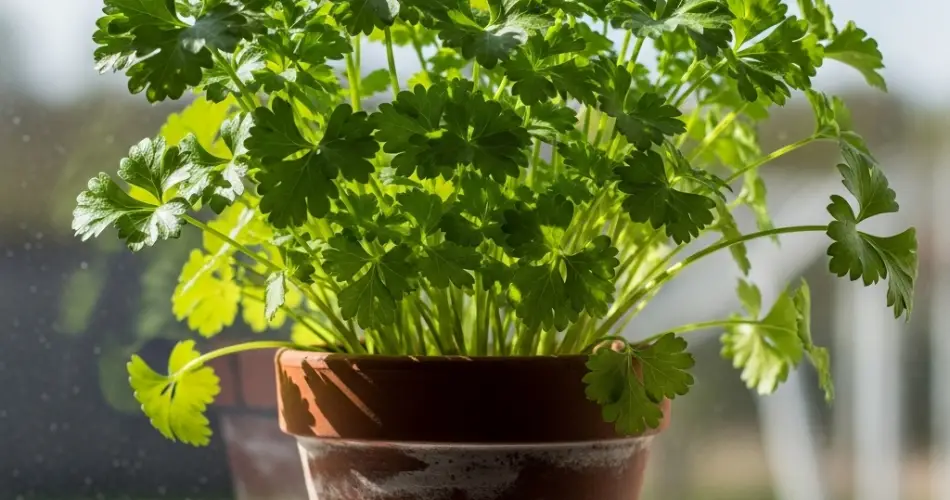
Parsley is one of those herbs that every kitchen should have. Known for its vibrant green color, refreshing flavor, and wide culinary use, parsley is more than a simple garnish. It enhances soups, stews, salads, and sauces while providing an impressive nutritional boost. Growing parsley in pots is an excellent option for gardeners who want fresh herbs year-round, whether they live in an apartment or have a backyard garden. With just a little knowledge and care, parsley can thrive indoors on a sunny windowsill or outdoors on a patio.
This article will uncover the secrets to successful potted parsley, from choosing the right container to enjoying your first harvest.
Why Parsley Loves Pots
Parsley adapts well to container gardening for several reasons. Its moderate root system fits comfortably in pots, and its compact size makes it suitable for small spaces. Growing parsley in pots also gives you control over soil quality, drainage, and positioning. If you want it close to your kitchen for easy harvests, containers let you keep it right where you need it most.
Another advantage is flexibility. In colder climates, parsley pots can be brought indoors during the winter. In warmer regions, they can remain outside most of the year with little trouble. This adaptability makes parsley one of the easiest herbs to grow in pots.
The Ideal Pot and Soil
The first step to thriving parsley is choosing the right pot. A container that is at least 8 to 10 inches deep is ideal, since parsley has long taproots that need space to grow. Terra cotta pots are popular because they allow excess moisture to evaporate, but plastic or ceramic containers work well as long as they have drainage holes.
Equally important is the soil. Parsley prefers a light, well-draining potting mix that is rich in organic matter. Avoid using heavy garden soil in containers, as it tends to compact and restrict airflow around the roots. A blend of potting soil with compost and perlite or sand provides the perfect environment for healthy growth.
Planting: Seeds or Seedlings?
You can start parsley from seeds or purchase young seedlings from a nursery. Starting from seeds is rewarding, but it requires patience. Parsley seeds are notorious for slow germination, often taking up to three weeks to sprout. To speed things up, soak the seeds in warm water for 24 hours before planting.
-
For seeds: Sow them about ¼ inch deep, cover lightly with soil, and water gently. Keep the soil evenly moist until sprouts appear.
-
For seedlings: Transplant them carefully into your pot, spacing multiple plants about 6 inches apart if your container is wide enough.
Both methods work well, but seedlings offer a head start if you want quicker harvests.
Sunlight and Watering Secrets
Parsley is a sun-loving herb, but it can also adapt to partial shade. Outdoors, place your pot where it will receive at least 6 hours of sunlight daily. Indoors, a south-facing windowsill works best. If natural light is limited, supplement with a small grow light to keep the leaves vibrant and green.
Water is another crucial factor. Parsley thrives in consistently moist soil. The key is balance: water when the top inch of soil feels dry, but never allow the pot to sit in standing water. Overwatering can lead to root rot, while under-watering causes leaves to wilt and lose flavor.
Caring for Your Plant
A thriving parsley plant benefits from regular attention:
-
Fertilizing – Feed every 4–6 weeks with a balanced liquid fertilizer diluted to half strength. This keeps the leaves lush and full of flavor.
-
Pruning and harvesting – Regularly snip outer stems at the base to encourage new growth. Avoid cutting the inner stems too early, as this slows the plant’s development.
-
Pest control – Parsley in pots is less prone to pests, but occasionally aphids or spider mites may appear. A gentle rinse with water or a spray of neem oil can keep them under control.
-
Rotation – If grown indoors, rotate the pot every few days to ensure even light exposure.
Harvesting and Using Parsley
Once your parsley is established and producing several leafy stems, you can begin harvesting. Always pick from the outer leaves, allowing the plant’s center to continue producing. With good care, a single parsley plant can provide fresh herbs for many months.
Fresh parsley can be used in endless recipes. Chop it into salads, sprinkle it over roasted vegetables, blend it into pesto, or mix it into marinades. If you find yourself with more than you can use, parsley can be dried or frozen for later, ensuring nothing goes to waste.
Indoors or Out: The Choice is Yours
The beauty of potted parsley is its versatility. Indoors, it thrives in bright kitchens, offering fresh flavor at your fingertips. Outdoors, it can flourish on patios, balconies, or garden tables, soaking in the sun. By growing parsley in pots, you gain convenience, control, and the joy of harvesting one of the most beloved kitchen herbs right when you need it.
Final Thoughts
The secret to thriving potted parsley lies in providing the right conditions: deep pots, rich and well-drained soil, consistent moisture, and plenty of sunlight. With a little care, this humble herb will reward you with abundant harvests whether grown indoors or outdoors.
Parsley is easy enough for beginners yet rewarding for seasoned gardeners. By potting parsley, you’re not just growing a plant—you’re cultivating flavor, health, and freshness that can elevate every dish.


