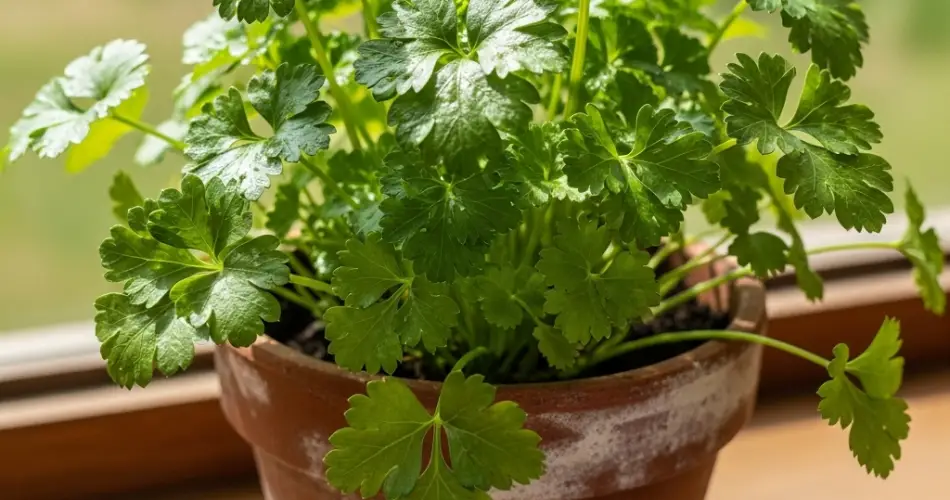
Parsley is one of those herbs that no kitchen should be without. Fresh, fragrant, and packed with nutrients, it brightens everything from soups and sauces to salads and grilled dishes. Instead of relying on supermarket bunches that wilt quickly in the fridge, you can enjoy a constant supply of fresh parsley right at home. The good news is that parsley is one of the easiest herbs to grow in pots, making it perfect for small gardens, balconies, patios, and even sunny windowsills. With the right care, a few pots of parsley will keep producing for months on end.
Choosing the Right Containers
When growing parsley in pots, choosing the right container makes all the difference. Parsley has a long taproot, so a pot at least 8–10 inches deep is necessary. Wider pots allow you to grow several plants together, ensuring a fuller harvest. Always make sure your container has drainage holes, as parsley dislikes sitting in soggy soil. Clay or terracotta pots are excellent choices because they allow excess moisture to evaporate, but plastic or ceramic containers also work if you monitor watering carefully.
Soil Preparation
Parsley thrives in rich, well-draining soil that holds moisture without becoming waterlogged. A high-quality potting mix is ideal, especially if enriched with organic compost. If your mix feels heavy, lighten it by adding perlite or sand. Since parsley is a heavy feeder, it benefits from nutrient-rich soil right from the start. Adding compost at planting time helps sustain the plants during their early stages, while additional feeding will keep them thriving later on.
Starting Parsley from Seed
Parsley can be grown from seedlings, but starting from seed is often more rewarding and cost-effective. The challenge is that parsley seeds are slow to germinate, often taking two to three weeks before sprouting. To speed things up, soak the seeds in warm water overnight before sowing. This softens the seed coat and improves germination rates.
Plant seeds about a quarter of an inch deep, either directly into the pot or in seed trays for later transplanting. Sow several seeds and then thin seedlings once they reach a few inches tall, leaving about 6–8 inches between plants. This spacing ensures each parsley plant has room to develop strong roots and lush foliage.
Light and Temperature Needs
Parsley prefers a sunny location but also tolerates light shade, especially in warmer climates. Aim for at least 5–6 hours of direct sunlight per day. If you’re growing parsley indoors, place the pot near a bright south- or west-facing window. For year-round growth, supplement natural light with a grow lamp.
This hardy herb thrives in cooler weather, with an ideal temperature range between 60–75°F (15–24°C). It can tolerate mild frost, but extreme heat may encourage bolting—when the plant produces flowers and seeds instead of leaves.
Watering and Fertilizing
Consistent watering is key to healthy parsley. Keep the soil evenly moist but not waterlogged. A good rule of thumb is to water when the top inch of soil feels dry. Avoid letting the soil dry out completely, as parsley plants may become stressed and stop producing lush foliage.
Because parsley is harvested for its leaves, it benefits from regular feeding with a nitrogen-rich fertilizer. Apply a balanced liquid fertilizer or compost tea every three to four weeks during the growing season. This encourages steady, leafy growth and ensures you’ll always have fresh herbs on hand.
Caring for Your Plants
Parsley is low-maintenance but rewards regular care. Remove yellow or damaged leaves promptly to encourage new growth. Pinch back long stems to prevent legginess and stimulate a bushier plant. Regular harvesting is not just a benefit for your kitchen—it also keeps your parsley plants vigorous and productive.
Harvesting for a Continuous Supply
The best part about growing parsley in pots is being able to harvest fresh leaves whenever you need them. Start cutting once the plants are about 6 inches tall and well-established. Always harvest by cutting outer stems near the base, leaving the inner stems to continue producing. This method ensures a constant cycle of new growth.
Harvest in the morning when the leaves are most flavorful. Use scissors or sharp garden shears to avoid damaging the stems. If you grow several pots of parsley, rotate your harvesting between them to give each plant time to recover.
Storing and Preserving Parsley
While parsley is best used fresh, sometimes you’ll have more than you can immediately use. Fortunately, parsley can be preserved in several ways. Drying works, but it tends to reduce the herb’s vibrant flavor. Freezing is a better option: wash, chop, and freeze parsley in small containers or ice cube trays with a bit of water or olive oil. This way, you’ll always have parsley ready to add to your cooking, even in the off-season.
Common Problems to Watch For
Parsley is generally hardy but can face a few issues. Yellowing leaves often indicate overwatering or poor nutrition—adjust care accordingly. Aphids and caterpillars may appear on the foliage, but they can usually be managed with a spray of water or organic insecticidal soap. In hot weather, parsley may bolt prematurely. Regular harvesting and providing some shade during peak summer can help delay this process.
Conclusion
Growing parsley in pots is an easy and rewarding way to ensure a steady supply of this versatile herb. With the right container, soil, and care, you can enjoy fresh parsley for months on end. Whether you keep a pot on your balcony, patio, or kitchen windowsill, parsley will reward you with continuous harvests that elevate your meals and bring the joy of homegrown herbs into your everyday cooking.


