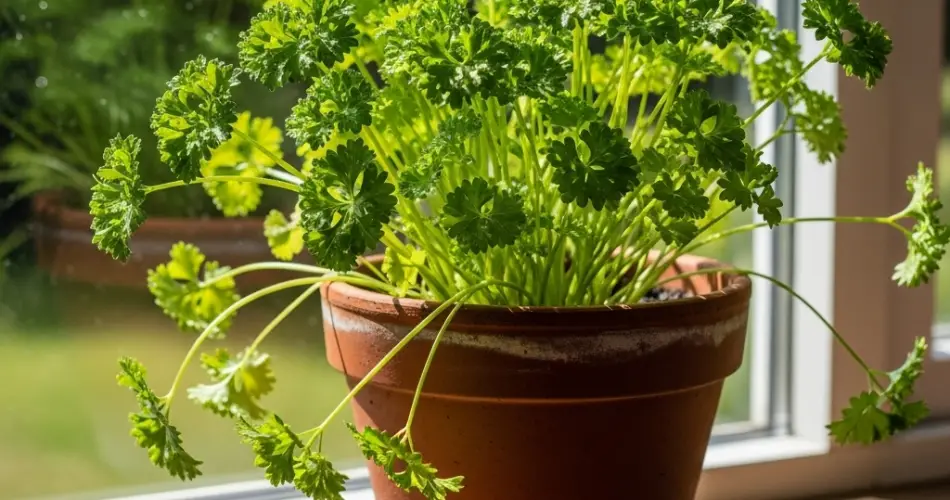
Parsley is more than just a garnish on your plate—it is a powerhouse herb packed with flavor, nutrition, and versatility. Whether sprinkled over soups, blended into sauces, or added to fresh salads, parsley is one of the most useful herbs to have at your fingertips. The best part? You don’t need a sprawling garden to enjoy this vibrant green herb. With a simple pot and a sunny spot, you can grow fresh parsley right in your kitchen.
This guide will walk you through everything you need to know about growing parsley in pots, from choosing the right container to harvesting lush leaves for your favorite dishes.
Why Grow Parsley at Home?
Growing parsley in pots is a smart choice for several reasons:
-
Fresh flavor year-round – Store-bought parsley wilts quickly, but a potted plant ensures you have crisp, aromatic leaves whenever you need them.
-
Compact and convenient – Parsley thrives in small spaces, making it perfect for windowsills, balconies, or kitchen counters.
-
Nutrient-rich herb – Packed with vitamins A, C, and K, parsley supports immunity, healthy skin, and bone strength.
-
Cost-effective – A packet of seeds can provide months of harvest compared to frequent grocery trips.
By potting your parsley, you bring freshness directly to your kitchen while saving money and enjoying the satisfaction of homegrown food.
Choosing the Right Pot and Soil
Parsley does best in pots that are at least 6 to 8 inches deep, since its roots like room to grow. Clay or ceramic pots are great options because they allow soil to breathe, but plastic pots with good drainage holes work just as well.
When it comes to soil, parsley prefers well-draining, nutrient-rich potting mix. A blend that contains compost or organic matter helps the plant stay healthy and flavorful. Avoid heavy garden soil that may compact in containers and limit root growth.
For the best results, mix in a little perlite or sand to improve drainage. Parsley likes moisture but not soggy roots, so well-aerated soil is key.
Planting Parsley from Seeds or Seedlings
You can grow parsley either from seeds or nursery-bought seedlings. Starting from seed requires patience, as parsley seeds are slow to germinate, sometimes taking 2 to 3 weeks. To speed up the process, soak the seeds in warm water for 24 hours before planting.
-
Sowing seeds – Scatter them evenly over the soil surface, then cover lightly with about ¼ inch of soil. Keep the soil moist until seedlings appear.
-
Using seedlings – If you want quicker results, buy young parsley plants from a garden shop and transplant them into your chosen pot.
Regardless of the method, space the plants about 6 inches apart if you’re growing more than one in a larger container.
Sunlight and Water Needs
Parsley loves bright light, so place your pot in a sunny windowsill that receives at least 4–6 hours of sunlight each day. If your kitchen lacks natural light, you can supplement with a small grow light to keep the leaves healthy and green.
Water parsley consistently, keeping the soil slightly moist but never waterlogged. A good rule of thumb is to water when the top inch of soil feels dry. Using a saucer under the pot helps prevent mess but be sure to empty standing water to avoid root rot.
Caring for Potted Parsley
To keep parsley lush and productive, follow these care tips:
-
Fertilize lightly – Feed your plant every 4–6 weeks with a balanced liquid fertilizer, diluted to half strength.
-
Prune regularly – Harvesting parsley by snipping stems from the base encourages new growth and prevents the plant from becoming too tall or woody.
-
Rotate the pot – Turn the pot occasionally so all sides of the plant get equal sunlight.
-
Watch for pests – Aphids and spider mites sometimes appear, but they can be rinsed off with water or treated with a gentle neem oil spray.
With just a little attention, parsley will reward you with a steady supply of fresh herbs for months.
Harvesting and Using Your Parsley
Once your parsley plant has developed several stems with full leaves, you can begin harvesting. Always cut the outer stems at the base, leaving the central growth untouched so the plant continues producing.
Fresh parsley can be used in countless recipes. Chop it into soups, stews, sauces, or grain dishes for a burst of flavor. It also makes an excellent garnish for roasted vegetables, grilled meats, or pasta. If you grow an abundant crop, you can preserve parsley by drying or freezing it for later use.
Final Thoughts
Growing parsley in pots is one of the easiest and most rewarding ways to bring fresh flavor to your kitchen. With minimal effort, you’ll have a healthy, aromatic plant that not only enhances your cooking but also brightens up your space.
Whether you’re a beginner gardener or an experienced green thumb, parsley is a perfect starter herb. All it needs is a pot, good soil, some sunlight, and a little care. Soon, you’ll be enjoying the taste of freshly picked parsley in your favorite meals—straight from your kitchen windowsill.


