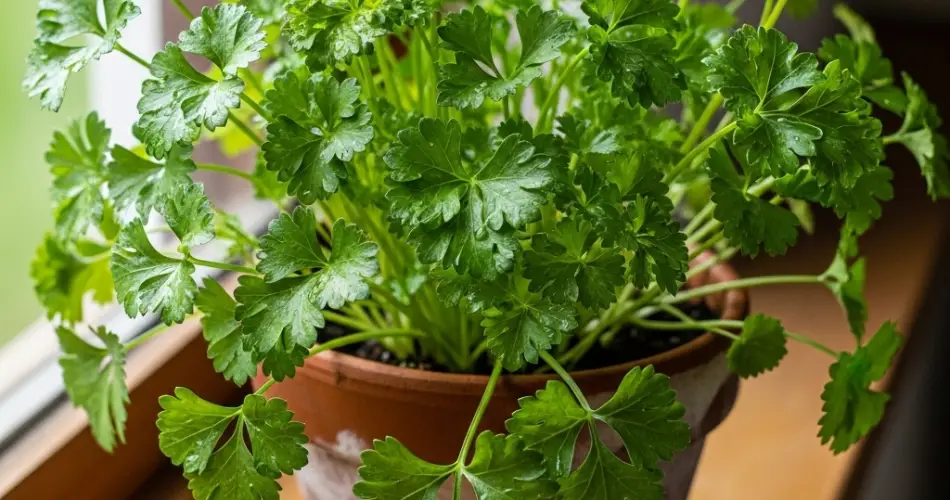
Parsley is one of the most versatile herbs in the kitchen, adding freshness, flavor, and nutrition to a wide range of dishes. Whether you enjoy it sprinkled over soups, stirred into sauces, or as a garnish on salads, having a pot of parsley at home means you always have this green powerhouse within arm’s reach. The best part is that parsley is an easy herb to grow in pots, making it ideal for gardeners with limited space, such as those living in apartments, small homes, or urban settings. With the right approach, you can enjoy a continuous harvest from seed to table.
Choosing the Right Pot and Soil
Parsley may be compact, but it appreciates space for root development. A pot with a depth of at least 8–10 inches is perfect to accommodate its taproot. Containers should have drainage holes to prevent waterlogging, which can quickly harm the plant.
As for soil, parsley thrives in nutrient-rich, well-draining soil. A high-quality potting mix blended with compost works well. Adding perlite or sand can improve drainage, which is crucial to prevent root rot. Since parsley is a heavy feeder compared to some other herbs, the soil should contain sufficient organic matter to support its growth throughout the season.
Starting from Seed
Parsley seeds are notorious for being slow to germinate, often taking up to three weeks before seedlings appear. To speed up the process, soak the seeds in warm water overnight before planting. This softens the seed coat and improves germination rates.
Sow the seeds about a quarter of an inch deep in moist soil, either directly in the final container or in seed trays for later transplanting. Keep the soil consistently damp during the germination phase. If planting multiple seeds in one pot, thin the seedlings once they are a few inches tall, leaving about 6–8 inches of space between plants to avoid overcrowding.
Light and Temperature Needs
Parsley prefers full sun but can tolerate partial shade, especially in hot climates. Aim for at least 5–6 hours of sunlight each day. If you’re growing parsley indoors, place the pot near a sunny windowsill or supplement with a grow light to ensure steady growth.
Temperature-wise, parsley is resilient and can grow well in cooler weather. It prefers temperatures between 60–75°F (15–24°C). In milder climates, parsley can grow year-round, while in colder areas it may need protection during frosty months.
Watering and Feeding
Consistent watering is essential for parsley grown in pots. The soil should remain slightly moist but never soggy. Allowing the soil to dry out too much can cause the plant to become stressed, while excessive watering leads to root problems. A good practice is to water when the top inch of soil feels dry.
Since parsley is a leafy herb, it benefits from regular feeding. Apply a balanced liquid fertilizer or an organic compost tea every 3–4 weeks during the growing season. This keeps the foliage lush, green, and full of flavor.
Caring for Your Plants
Parsley is relatively low-maintenance but benefits from regular attention. Remove any yellowing or damaged leaves to encourage healthy growth. Pinching back the stems helps prevent the plant from becoming too tall or leggy, encouraging bushier growth instead.
One important tip is to harvest parsley often. The more you cut, the more it grows. Always cut the outer leaves and stems first, leaving the central growth intact to continue producing new foliage.
Harvesting Parsley
You can begin harvesting parsley once the plant has grown about 6 inches tall and has a good number of stems. Use sharp scissors or garden shears to snip the stems near the base. Harvesting in the morning, when the leaves are most hydrated, ensures the best flavor and freshness.
Parsley can be enjoyed fresh, but if you have an abundance, consider drying or freezing it for later use. Freezing is the best way to preserve parsley’s vibrant flavor; simply wash, chop, and store in freezer bags or ice cube trays with a little water.
Common Problems and Solutions
While parsley is generally trouble-free, it may occasionally face challenges:
-
Yellowing leaves: Usually a sign of overwatering or nutrient deficiency. Adjust watering and feed with a nitrogen-rich fertilizer.
-
Aphids or caterpillars: These pests can appear on foliage. Wash them off with a gentle spray of water or use an organic insecticidal soap.
-
Bolting: In hot weather, parsley may flower and set seed, which reduces leaf production. Regular harvesting can delay bolting, but once it begins, it’s best to let the plant complete its cycle and save seeds for next season.
Final Thoughts
Growing parsley in pots is a simple, rewarding way to enjoy a continuous supply of fresh herbs at home. With just a little care in watering, feeding, and harvesting, your plants will thrive from seed to harvest. Whether you keep a pot on your balcony, windowsill, or kitchen counter, parsley is the perfect herb for both beginner and experienced gardeners alike.


