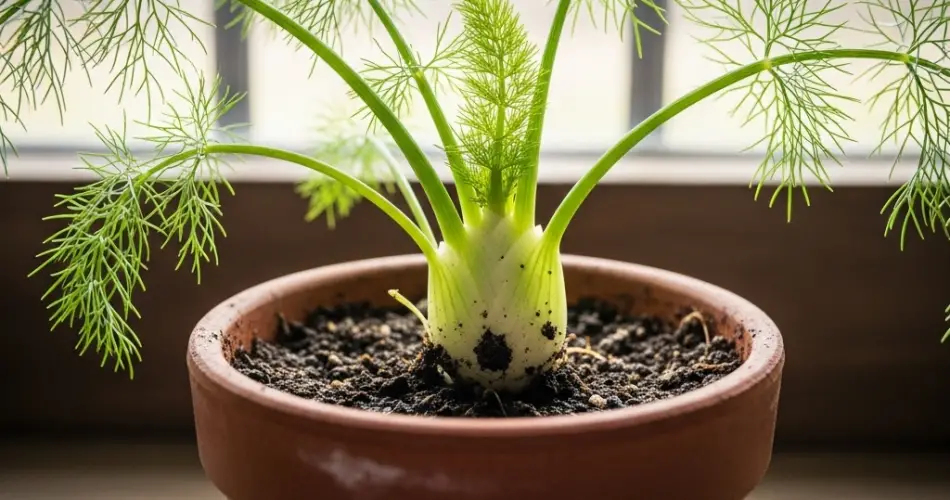
Fennel is a versatile and aromatic plant that brings both flavor and beauty to the home garden. Known for its crisp bulbs, feathery fronds, and anise-like taste, fennel is a delight in both savory and fresh dishes. Many gardeners assume it requires a lot of space, but fennel can actually thrive in containers if given the right care. Growing fennel in pots not only makes it accessible for urban gardeners but also allows for easier harvesting and maintenance. With proper techniques, you can enjoy fresh, crisp fennel straight from your balcony or patio.
Choosing the Right Variety
There are two main types of fennel: herb fennel (Foeniculum vulgare), which is grown for its leaves and seeds, and Florence fennel (Foeniculum vulgare var. azoricum), which produces the thick, bulb-like base prized in cooking. If your goal is to harvest crisp bulbs, Florence fennel is the variety to choose. This type grows well in pots and matures within 60–90 days.
Container Selection and Soil Preparation
Fennel has a deep taproot, so it requires a container that is at least 12–14 inches deep and wide enough to allow bulbs to develop properly. Large pots or grow bags work best, as they prevent crowding and allow the plant to stretch its roots. Drainage holes are essential to avoid waterlogged soil, which can cause root rot.
When it comes to soil, fennel prefers loose, well-draining soil enriched with organic matter. A high-quality potting mix blended with compost provides the nutrients fennel needs. Adding sand or perlite helps improve aeration, ensuring the roots have the right environment to grow strong and healthy.
Planting from Seed
Fennel is best grown directly from seed, as its long taproot makes transplanting difficult. Sow seeds about a quarter of an inch deep, spacing them at least 8–10 inches apart if you are planting multiple bulbs in the same container. After sowing, water gently and keep the soil evenly moist until germination, which typically takes 7–10 days.
Thinning seedlings is important for proper bulb development. Once the seedlings are a few inches tall, thin them so that only the strongest plants remain with enough room to expand. Overcrowded plants will struggle to form full bulbs.
Light and Temperature Requirements
Fennel is a sun-loving plant. Place your pots in a location that receives at least 6–8 hours of direct sunlight daily. Without adequate light, fennel may become leggy and fail to form proper bulbs.
The ideal temperature range for fennel growth is between 60–75°F (15–24°C). It performs best in cooler weather and can tolerate light frost, but extreme heat may cause the plant to bolt and flower prematurely. For continuous harvests, sow seeds in succession every few weeks during the cooler growing season.
Watering and Fertilizing
Consistent moisture is key to growing crisp fennel bulbs. The soil should remain evenly moist, but not soggy. Deep watering helps encourage strong root growth, while irregular watering can lead to tough or split bulbs. Checking the soil regularly and watering when the top inch feels dry ensures steady hydration.
Fennel also benefits from regular feeding. Use a balanced, slow-release fertilizer at planting time, followed by a liquid feed every few weeks as the plants grow. A fertilizer higher in potassium supports healthy bulb formation, while nitrogen promotes lush fronds.
Caring for Fennel Plants
Fennel is relatively low-maintenance once established. To encourage plump bulbs, hill up soil gently around the base of the plants as they grow, similar to the technique used with leeks. This blanching process helps keep the bulbs tender, white, and crisp.
Remove weeds promptly from the pot, as fennel does not like competition for nutrients. Also, be mindful that fennel can release compounds that inhibit the growth of some other plants, so it’s best grown on its own rather than sharing a pot with companions.
Harvesting Crisp Fennel
The moment you’ve been waiting for arrives when the bulbs reach about the size of a tennis ball—usually 60–80 days after sowing. To harvest, use a sharp knife or garden shears to cut the bulb at soil level. Be gentle to avoid damaging the plant if you want it to regrow.
Leaves and fronds can be harvested earlier, even before the bulbs mature. Snip them as needed for garnishes, salads, or teas. The seeds can also be collected once the plant flowers and produces seed heads, making fennel a truly multipurpose plant.
For the best flavor and texture, harvest bulbs while they are still young and tender. Older bulbs may become woody and lose their sweetness.
Storing and Using Fennel
Freshly harvested fennel can be stored in the refrigerator for up to a week. To keep bulbs crisp, wrap them in a damp paper towel and place them in a plastic bag. The fronds can be stored separately or frozen for later use.
Fennel is a culinary delight. The bulbs are delicious roasted, grilled, or sliced raw into salads. The fronds make a fresh herb garnish, while seeds add depth to breads, sauces, and spice blends. Growing your own ensures you always have this flavorful ingredient on hand.
Conclusion
Harvesting crisp fennel from potted plants is a rewarding experience that combines the joy of gardening with the satisfaction of fresh, homegrown produce. With the right pot, soil, and care, you can grow healthy fennel bulbs even in limited spaces. From planting seeds to enjoying tender bulbs and aromatic fronds, fennel proves to be an ideal choice for container gardeners who want a steady supply of this unique and flavorful crop.


