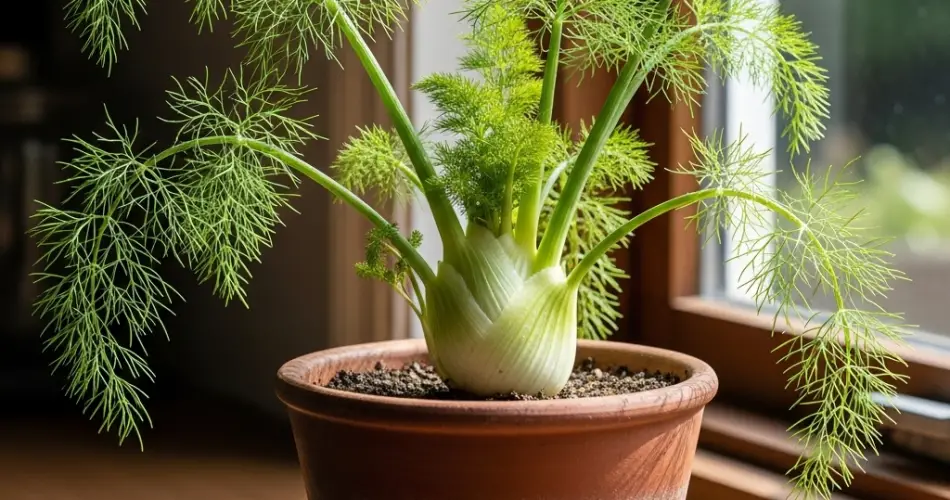
Fennel is a fragrant and versatile plant prized for its feathery leaves, crunchy bulbs, and aromatic seeds. Often associated with Mediterranean cuisine, fennel adds a sweet, slightly licorice-like flavor to salads, roasted dishes, sauces, and teas. While many gardeners assume fennel needs a large plot of land to thrive, it can actually be grown successfully in pots. Container-grown fennel is not only space-efficient but also makes harvesting and maintenance much easier.
If you enjoy experimenting with herbs and vegetables in your cooking, growing fennel in pots is an excellent choice. This guide will walk you through everything from choosing the right container to harvesting your own fresh fennel for the kitchen.
Why Grow Fennel in Pots?
There are several advantages to growing fennel in containers:
-
Space-saving solution – Perfect for balconies, patios, or small gardens where ground space is limited.
-
Soil control – Containers allow you to create the ideal soil mix for fennel, avoiding compacted or poor garden soil.
-
Pest management – Growing fennel in pots makes it easier to keep an eye on pests like aphids and caterpillars.
-
Convenience – You can position pots where sunlight is optimal and move them if weather conditions change.
By cultivating fennel in containers, you gain flexibility while still enjoying abundant harvests.
Choosing the Right Pot and Soil
Fennel develops deep roots and, in the case of Florence fennel, a bulb at the base. Because of this, a large, deep container is essential. Choose a pot that is at least 12–14 inches deep and wide enough to allow the plant to spread. If you’re growing multiple fennel plants, use a wide trough-style planter to give each enough room.
Soil quality is another key factor. Fennel thrives in loose, fertile, and well-draining soil. A mix of potting soil enriched with compost works best. Avoid heavy, clay-like soils that retain too much water, as fennel does not tolerate soggy conditions. For extra drainage, mix in perlite or coarse sand.
Planting Fennel in Pots
You can grow fennel from either seeds or seedlings. Seeds are the most common option, especially for Florence fennel, which produces the edible bulb.
-
Sowing seeds – Plant them directly in the pot about ¼ inch deep and space them 6–8 inches apart. Since fennel does not transplant well due to its long taproot, it’s best to sow seeds directly in the container where they will grow.
-
Thinning seedlings – Once the sprouts reach a few inches tall, thin them to one plant per space, giving enough room for bulbs or foliage to develop.
Plant fennel in spring for a summer harvest or in late summer for an autumn crop.
Sunlight and Water Requirements
Fennel is a sun-loving plant that thrives in at least 6–8 hours of direct sunlight daily. Place your pot in the brightest spot available, whether on a balcony, patio, or near a sunny wall.
Consistent watering is crucial. Keep the soil evenly moist but not waterlogged. During hot weather, fennel in pots may need daily watering. Mulching the surface of the soil with straw or compost helps retain moisture and regulate temperature.
Caring for Potted Fennel
To keep fennel healthy and productive, follow these tips:
-
Fertilizing – Feed with a balanced liquid fertilizer every 3–4 weeks to encourage strong growth. For Florence fennel, potassium-rich fertilizer supports bulb development.
-
Mulching – As bulbs begin to swell, mound soil or mulch gently around them. This process, known as blanching, keeps bulbs tender and white.
-
Pest control – Watch for aphids, whiteflies, or caterpillars. Removing pests by hand or spraying with a mild soap solution usually keeps them under control.
-
Companion planting caution – Avoid planting fennel with beans, tomatoes, or most herbs, as it tends to inhibit their growth. Instead, give it its own container.
Harvesting Fennel
Fennel can be harvested in different stages depending on which part you want to use:
-
Leaves – The delicate fronds can be snipped as soon as the plant is established. They add a fresh flavor to salads, fish dishes, and sauces.
-
Bulbs – Florence fennel bulbs are ready to harvest when they reach the size of a tennis ball. Cut them at the base, just above the soil.
-
Seeds – If you allow fennel to flower, the seeds can be collected once they turn brown. Dry them thoroughly before storing for use in teas, bread, or spice blends.
Harvest regularly to encourage continued production.
Culinary Uses for Fresh Fennel
Fennel is celebrated for its versatility in the kitchen. The fronds can be used as a garnish or blended into pestos. Bulbs are delicious raw in salads, sliced thinly with citrus fruits, or roasted for a caramelized flavor. Seeds are popular in baking, sausage seasoning, and herbal teas. Having a pot of fennel ensures you always have fresh ingredients to elevate your cooking.
Final Thoughts
Growing fennel in pots for culinary use is not only possible but highly rewarding. With a deep container, fertile soil, plenty of sunlight, and consistent watering, this flavorful plant will thrive right on your balcony or patio. Whether you enjoy its fronds, bulbs, or seeds, fennel offers a unique taste that enhances countless dishes.
By growing your own fennel in pots, you take a step toward fresher, healthier, and more flavorful meals—straight from your mini garden to your kitchen table.


