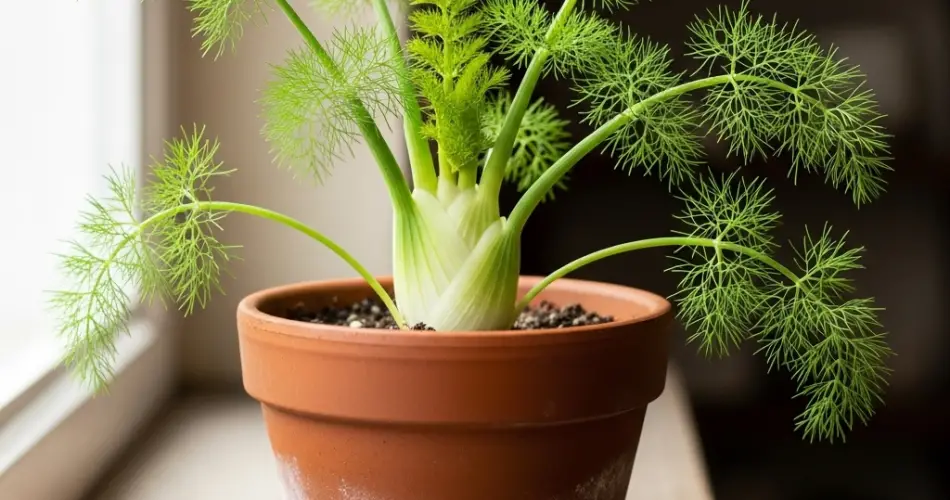
Fennel is a unique and versatile plant that brings both ornamental beauty and distinctive flavor to the garden and kitchen. With its feathery green foliage, crisp white bulbs, and sweet, anise-like taste, fennel has long been treasured in Mediterranean cooking and herbal remedies. Many gardeners, however, assume fennel needs wide garden beds to thrive. The truth is, fennel grows beautifully in pots, making it accessible for anyone with limited space. Whether you have a balcony, patio, or sunny windowsill, container-grown fennel can provide you with fresh, flavorful harvests throughout the season.
Why Grow Fennel in Pots?
Growing fennel in pots has several advantages. Containers give you control over the soil, watering, and sunlight, reducing the risk of pests and diseases common in garden beds. Potted fennel can also be moved to chase the sun or sheltered from extreme weather. Additionally, because fennel’s roots release compounds that can hinder the growth of nearby plants, container gardening allows you to avoid compatibility issues in traditional vegetable plots. For gardeners who value space efficiency and fresh flavors, growing fennel in pots is a perfect solution.
Choosing the Right Variety
There are two main types of fennel:
-
Herb fennel (Foeniculum vulgare): Grown primarily for its feathery fronds and aromatic seeds.
-
Florence fennel (Foeniculum vulgare var. azoricum): Known for its swollen, bulb-like base that is prized in cooking.
For flavor lovers who want crisp bulbs for salads, roasting, or grilling, Florence fennel is the best choice. It matures in about 60–90 days and performs well in containers if provided with enough depth and space.
Picking the Best Pot and Soil
Fennel has a deep taproot, so selecting the right container is essential. Choose a pot that is at least 12–14 inches deep and wide enough to accommodate bulb formation. Large containers or grow bags are excellent options. Ensure the pot has drainage holes, as fennel will not tolerate soggy conditions.
When it comes to soil, fennel prefers light, well-draining soil enriched with organic matter. A good potting mix combined with compost creates a nutrient-rich environment. For even better results, mix in a little sand or perlite to improve aeration. This balance of moisture retention and drainage is key to producing tender, crisp bulbs.
Planting from Seed
Fennel grows best from seed, since its long taproot makes transplanting tricky. Sow seeds about a quarter of an inch deep in moist soil, spacing them 8–10 inches apart if growing multiple plants in the same pot. Germination usually occurs within 7–10 days.
Once seedlings emerge, thin them to leave the strongest plants with enough space to develop. Crowded fennel struggles to form bulbs, so resist the temptation to keep too many plants in one container.
Sunlight and Temperature Needs
Fennel thrives in full sun, needing at least 6–8 hours of direct light daily. If you are growing indoors, place your pot near a bright, south-facing window or supplement with a grow light.
The ideal growing temperature is between 60–75°F (15–24°C). Fennel prefers cooler conditions and can tolerate light frost, but hot weather may cause it to bolt—sending up flower stalks before the bulbs mature. For continuous harvests, stagger your plantings during cooler parts of the growing season.
Watering and Feeding
Consistent watering is vital for crisp fennel bulbs. Keep the soil evenly moist, but not waterlogged. Water deeply whenever the top inch of soil feels dry. Uneven watering can result in tough bulbs or cause them to split.
Because fennel is a moderate feeder, it benefits from additional nutrients throughout the season. Incorporate a balanced, slow-release fertilizer at planting, and follow up with liquid feeds every two to three weeks. Fertilizers high in potassium help bulbs develop fully, while nitrogen supports lush frond growth.
Ongoing Care
As your fennel grows, mound soil gently around the base of the developing bulbs. This blanching technique keeps the bulbs white, tender, and flavorful. Keep the pot free of weeds, as fennel dislikes competition for nutrients.
Since fennel does not pair well with many plants, avoid trying to interplant it in the same container. Instead, let it grow alone and enjoy its feathery fronds as a decorative accent.
Harvesting Fennel
Fennel bulbs are ready to harvest when they are about the size of a tennis ball, typically 60–80 days after sowing. Use a sharp knife or garden shears to cut the bulb at soil level. The fronds can be harvested earlier and used fresh in salads, sauces, or as a garnish. If allowed to flower, fennel will also produce seeds that can be dried and used as a spice.
For the best flavor, harvest bulbs while they are still young and tender. Overmature bulbs may become woody and lose their sweetness.
Storing and Using Your Harvest
Fresh fennel bulbs can be stored in the refrigerator for up to a week. Wrap them in a damp paper towel and place them in a plastic bag to maintain crispness. Fronds can be frozen or used immediately, while seeds can be dried and stored in airtight containers.
Culinary uses are nearly endless: fennel bulbs can be sliced raw for salads, roasted with olive oil, or grilled for a caramelized sweetness. Fronds make a fresh garnish, and seeds add depth to breads, soups, and spice blends.
Conclusion
Fennel in a pot is the perfect gardening solution for flavor enthusiasts with limited space. With the right container, soil, and care, you can cultivate crisp bulbs, delicate fronds, and aromatic seeds—all within arm’s reach. Whether you are a balcony gardener, a patio grower, or simply someone who loves experimenting with fresh flavors, container-grown fennel offers beauty, versatility, and taste in one compact package.


