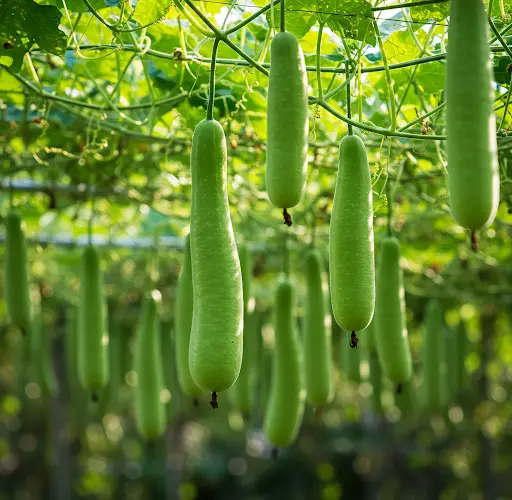
Sponge gourd—also known as luffa or loofah gourd—is a tropical vine prized not only for its edible young fruit but also for its mature fibrous interior, which can be used as a natural sponge. Whether you’re growing it for the kitchen or for homemade bath sponges, sponge gourd is a rewarding crop—if you know how to care for it over its long growing cycle.
This plant requires patience, especially since it can take up to five months before it’s ready for harvest. However, by following a few key steps, you can enjoy a successful and fruitful sponge gourd harvest even in a home garden.
Why Sponge Gourd?
Sponge gourd is part of the cucurbit family, related to cucumbers, pumpkins, and zucchinis. The young fruits are commonly used in stir-fries, soups, and stews, offering a mild, slightly sweet flavor and tender texture. When left to mature on the vine, the fruits develop a fibrous interior that can be dried and used as an all-natural exfoliating sponge.
It’s a dual-purpose plant, making it both useful in the kitchen and around the home. Plus, it grows well in tropical and subtropical climates and can thrive in containers or ground soil with the right support.
Step 1: Start With Strong Seeds and Proper Timing
Sponge gourd needs a warm growing season, ideally with temperatures between 25°C and 35°C (77°F to 95°F). The plant takes about 150 days (5 months) to fully mature, so starting at the right time is crucial.
-
Choose quality seeds. Select seeds from a reliable source or save them from previous healthy fruits. Fresh seeds germinate better and grow stronger vines.
-
Soak seeds overnight in warm water before sowing to soften the seed coat and encourage faster sprouting.
-
Start in trays or sow directly into the ground once the risk of frost has passed.
If you’re growing in cooler climates, start seeds indoors and transplant when the weather warms up.
Step 2: Provide Plenty of Vertical Space
Sponge gourd vines can grow 10 to 20 feet or more in length. To maximize airflow, sunlight exposure, and fruit quality, it’s essential to provide a strong trellis, arbor, or fence for the vines to climb.
-
Build a sturdy vertical support system early on, as the vines will start climbing within the first few weeks.
-
Train the vines gently upward by tying them loosely with cloth strips or soft twine.
-
Prune side shoots to encourage the plant to focus its energy on fruit production.
Growing vertically not only saves space but also helps fruits develop straight and clean, avoiding ground rot or pest issues.
Step 3: Use Organic Nutrients for Steady Growth
A five-month crop needs steady nutrition to keep growing vigorously. Sponge gourd thrives in loamy, well-draining soil rich in organic matter.
-
Before planting, enrich the soil with compost, aged manure, or worm castings.
-
Throughout the growing season, apply a liquid organic fertilizer every 2–3 weeks—such as compost tea, fish emulsion, or banana peel water—to support vine and fruit growth.
-
As flowering begins, switch to a fertilizer higher in phosphorus and potassium to promote more blooms and fruit set.
Mulching around the base with dried leaves or straw helps retain moisture and suppress weeds.
Step 4: Pollination and Flower Management
Sponge gourd produces separate male and female flowers. Bees and other insects are the primary pollinators, but you can also hand-pollinate to ensure fruit development:
-
Identify the male flowers (long thin stem, no swelling) and female flowers (small swollen ovary behind the bloom).
-
Use a small brush or cotton swab to transfer pollen from the male flower to the female.
-
This method is especially useful if you have a limited number of pollinators in your garden.
Early flowering may not always result in fruit—this is normal. As the plant matures, more flowers will set successfully with the right conditions.
Step 5: Harvesting—The Real Secret Is Patience
The key to growing sponge gourd is letting the plant mature fully if you intend to use it for sponges. For eating, young fruits can be harvested when they are 6 to 8 inches long, tender, and green.
For sponge use:
-
Allow the fruit to stay on the vine until it turns brown, dries out, and feels lightweight. This typically happens after 5 months.
-
Once mature, harvest the dried fruit, peel off the outer skin, and shake out the seeds.
-
Rinse the fibrous interior thoroughly and let it sun-dry for a few days before storing or using.
If you’re harvesting for eating, the best flavor and texture come when the fruit is still soft. For sponge use, patience is crucial. Harvesting too early will leave you with an underdeveloped interior.
Final Thoughts
Sponge gourd is a remarkable plant that rewards patient gardeners with delicious vegetables and eco-friendly bath sponges. The secret to success lies in understanding its growth cycle, supporting its long vines, feeding it well, and giving it time to fully mature.
Whether you grow sponge gourd to enjoy in a meal or use as a sustainable household item, this plant proves that with time and care, your garden can produce more than just food—it can create lasting value.


