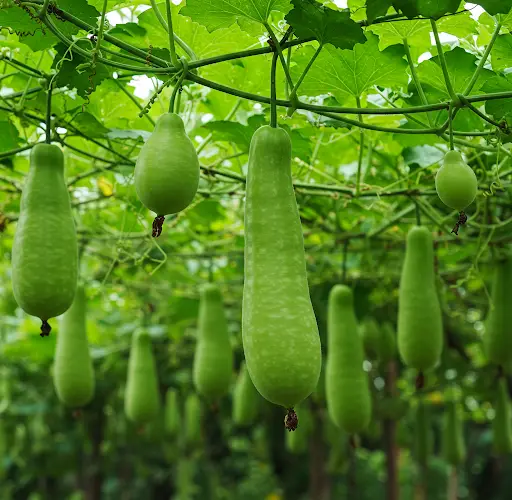
Luffa, often mistaken for a vegetable, is actually a type of gourd that produces a unique, fibrous sponge when fully matured. Growing luffa at home is surprisingly easy, especially when you use a method that doesn’t require a lot of space or specialized gardening tools. One such method is growing luffa in old tires—a creative, eco-friendly approach that offers impressive results. The best part? You only need a few simple steps to start, and the yield can be abundant with minimal effort.
This guide will show you how to grow luffa using recycled tires, turning this common waste material into a productive planting container that saves you money, space, and helps the environment.
Why Grow Luffa in Tires?
Using tires to grow luffa has numerous benefits:
-
Space-efficient – tires can be stacked vertically, saving valuable ground space
-
Eco-friendly – reusing old tires helps reduce waste
-
Cost-effective – tires are often free or inexpensive to obtain
-
Improved drainage – tires offer natural drainage, preventing waterlogging
-
High productivity – luffa vines can thrive in this setup, providing abundant harvests
Additionally, growing luffa in tires creates a unique, vertical garden, allowing you to utilize every inch of your yard or balcony. This method is particularly suitable for urban gardens or small spaces.
Materials You’ll Need
-
Old tires – 2 or 3 medium to large-sized tires
-
Quality soil mix – a well-draining potting mix or garden soil
-
Luffa seeds (or young plants, if preferred)
-
Compost or organic fertilizer
-
Watering can or hose
-
Garden twine or support structure (optional)
-
A sunny location with at least 6–8 hours of direct sunlight
Step-by-Step Guide to Growing Luffa in Tires
1. Prepare the Tires
Start by cleaning the tires and ensuring they are free from debris and dirt. If the tires have been used for a long time and have accumulated dust, a quick rinse with water will help clear them out.
Stack the tires on top of each other to form a stable base. You can use two or three tires depending on how tall you want your vertical garden. Ensure the bottom tire is sturdy and sits level on the ground.
2. Create Drainage Holes
Even though tires already have a natural opening, it’s a good idea to create additional drainage holes to ensure proper water flow. You can use a drill or sharp tool to puncture a few holes around the bottom rim of the tires to facilitate drainage.
Good drainage is essential to prevent waterlogging, which can harm your plants and lead to root rot.
3. Fill the Tires with Soil
Once the tires are in place and drainage holes are made, fill them with a well-draining soil mix. You can use a mix of garden soil, compost, and potting mix. Make sure the soil is loose and fluffy to allow the roots to spread and grow without any hindrance.
If you want to add extra nutrients, you can incorporate organic fertilizers or compost into the soil. This will provide the luffa plants with the necessary nutrients for strong and healthy growth.
4. Plant the Luffa Seeds
Luffa seeds are easy to plant. If you are using seeds, soak them in water for about 24 hours before planting. This will help soften the hard seed coat and speed up germination. After soaking, plant 2–3 seeds about 1 inch deep in the center of the tire.
Space the seeds out to ensure they have room to grow. If you prefer, you can also transplant young luffa plants instead of seeds. However, starting from seeds is usually more cost-effective and rewarding.
5. Provide Support for the Vines
Luffa plants are vining and require support to grow vertically. As the luffa seedlings start to sprout and grow, train the vines to climb the tire structure. You can add a trellis, a vertical garden support system, or simply tie the vines with garden twine to guide them upwards.
The vines will naturally begin to stretch and coil, climbing the tire structure in search of more space. If the vines become too long, you can prune them to maintain manageable growth.
6. Watering and Fertilizing
Water the luffa plants regularly to keep the soil moist but not soaking wet. Luffa plants need a consistent amount of water, especially during the hot summer months. However, avoid overwatering, as this can lead to root rot.
Fertilize the plants once every 2–3 weeks with a balanced organic fertilizer. You can also use compost tea or fish emulsion to keep the plants healthy and encourage better fruit production.
7. Watch Your Luffa Grow
Luffa plants are fast-growing and can reach maturity in 3–4 months, depending on the variety. As the vines grow, small yellow flowers will appear, and shortly after, the fruits will begin to develop.
The luffa fruit will start off small but will grow larger as the plant matures. The fruits will initially be green and soft. As they mature, they will turn yellow, become dry, and harden. This is when you can harvest them for use as natural sponges or to make luffa-based products.
Harvesting Luffa
To harvest your luffa, wait until the fruit turns yellow and starts to dry out on the vine. Once dry, peel off the outer skin, and you’ll reveal the fibrous sponge inside. The fibers can be used as natural sponges, scrubbers, or even in crafting projects.
If you want to save seeds for the next planting season, let a few luffa fruits fully mature on the vine and dry completely before harvesting.
Conclusion
Growing luffa in tires is a simple, sustainable, and highly productive way to enjoy this unique and versatile plant. The vertical garden setup saves space while allowing you to grow multiple plants in a small area. With just a few tires and a little patience, you can produce an abundance of luffa fruits—perfect for use as natural sponges or for crafting.
This method is also a fantastic way to reuse old tires, helping to reduce waste and benefit the environment. Whether you’re looking for a creative gardening project or a practical solution for small space gardening, growing luffa in tires is a fun and rewarding experience.


