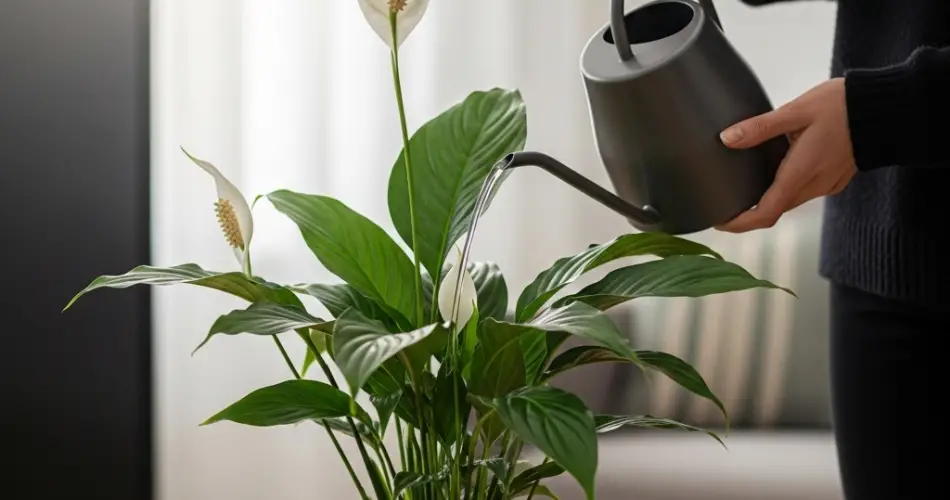
Peace lilies (Spathiphyllum) are popular houseplants known for their elegant white flowers and lush green foliage. While they are relatively easy to care for, one of the most common mistakes plant owners make is improper watering. Hydration plays a crucial role in the health and blooming cycle of a peace lily. Understanding when and how to water this plant is essential if you want it to thrive and reward you with long-lasting, frequent blooms.
Understanding Peace Lily’s Water Needs
Peace lilies are native to the tropical rainforests of Central and South America, where they grow under the canopy of trees in consistently humid and moist environments. However, this doesn’t mean they like to sit in soggy soil. In fact, overwatering is one of the leading causes of peace lily decline. These plants prefer evenly moist soil — not drenched and not bone-dry.
A healthy peace lily typically needs watering about once a week, but this can vary based on the temperature, humidity, and type of potting medium used. During the warmer months, the plant may require more frequent watering. In winter, when growth slows down, watering should be reduced.
How to Check if Your Peace Lily Needs Water
One of the best features of a peace lily is its ability to tell you when it’s thirsty. The leaves will start to droop when the plant lacks water. While this is a natural signal, it’s not ideal to wait until your peace lily wilts before watering it. Regularly checking the soil can help you stay ahead of dehydration.
Stick your finger about an inch into the soil. If it feels dry at that depth, it’s time to water. If it still feels moist, wait a few days and check again. For a more precise reading, a moisture meter can also be used to gauge the soil’s hydration level.
Proper Watering Technique
When watering a peace lily, it’s important to do it thoroughly. Slowly pour water into the soil until it starts to drain from the bottom of the pot. This ensures that the roots are getting sufficient hydration. However, never let the plant sit in water. Always empty any excess water collected in the saucer beneath the pot to prevent root rot.
Using room-temperature, filtered or distilled water is ideal, especially if your tap water contains chlorine, fluoride, or heavy minerals. Peace lilies are sensitive to chemical buildup, which can lead to brown leaf tips and reduced flowering.
If you prefer to use tap water, allow it to sit out overnight before using it. This allows some of the chlorine to dissipate naturally.
Hydration During Blooming Period
To support continuous blooming, maintaining consistent moisture is crucial. During flowering periods, the peace lily will draw more water to support its blooms. Never allow the plant to dry out completely at this time, as drought stress can shorten the lifespan of the flowers or cause them to drop prematurely.
You can also increase humidity around the plant by placing a tray filled with pebbles and water underneath the pot (without the pot sitting in the water) or by misting the leaves lightly. This mimics the plant’s natural humid habitat and can lead to better overall health and more vibrant blooms.
Signs of Overwatering and Underwatering
Both overwatering and underwatering can affect the peace lily’s ability to bloom and thrive.
Signs of overwatering include:
-
Yellowing leaves
-
Mushy stems or crown
-
Root rot or musty smell from the soil
Signs of underwatering include:
-
Drooping or wilting leaves
-
Brown, crispy edges on leaves
-
Dry soil pulling away from the sides of the pot
If you suspect overwatering, allow the soil to dry out slightly before watering again. In severe cases, consider repotting the plant into fresh soil to rescue it from root rot.
Choosing the Right Pot and Soil
Hydration is also influenced by your choice of pot and potting medium. Use a pot with good drainage holes to prevent water accumulation at the bottom. The potting mix should be well-aerated and retain some moisture while allowing excess water to drain easily. A mix of peat moss, perlite, and pine bark is a good option for peace lilies.
Avoid dense, clay-heavy soils that retain too much water. Repotting every one to two years can also refresh the soil and improve the plant’s water absorption and nutrient uptake.
Final Thoughts
Caring for a peace lily doesn’t have to be complicated, but consistent and correct watering is key to enjoying its beautiful white blooms. Learn to read your plant’s signals, use the proper watering method, and maintain a humid environment. With the right hydration routine, your peace lily will reward you with long-lasting flowers and vibrant, healthy foliage year-round.


