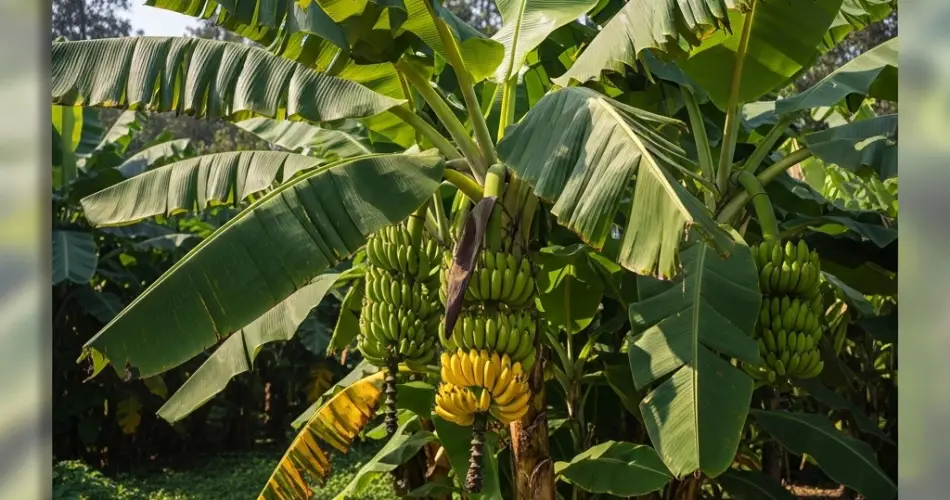
Banana plants are fast-growing, tropical perennials that love warmth, sunlight, and moisture—but they’re also heavy feeders that demand nutrient-rich, well-draining soil to thrive. Whether you’re growing bananas in the ground or in containers, using the right soil mix can make a big difference in plant health, growth speed, and fruit production.
Creating the ideal soil mix for banana plants involves balancing nutrients, retaining moisture, and ensuring proper drainage to prevent root rot. Here’s a detailed guide to building the perfect soil foundation for healthy, productive banana plants.
1. Understand What Banana Plants Need
Banana plants aren’t true trees—they’re large herbaceous perennials with soft, moisture-rich pseudostems and shallow roots. Because of this, they require:
-
Nutrient-rich soil to support rapid leaf and fruit development.
-
Moisture retention to avoid drying out, especially in warm weather.
-
Good drainage to prevent waterlogged roots, which can lead to rot.
-
Slightly acidic to neutral pH, ideally between 5.5 and 7.0.
A soil mix that meets all of these needs will provide a healthy environment for root development and support vigorous top growth.
2. The Ideal Soil Texture
Bananas grow best in loamy soil—a balanced mix of sand, silt, and clay. This texture provides structure while allowing water and air to move freely around the roots. If your native soil is too sandy or clay-heavy, you’ll need to amend it or use a custom soil mix in raised beds or containers.
A good soil mix for bananas should be:
-
Loose and crumbly to allow roots to expand easily.
-
Moisture-retentive, yet never soggy.
-
Full of organic matter to feed the plant and improve structure.
3. Best Soil Mix for In-Ground Planting
If you’re planting bananas directly in the ground, start by improving the native soil. Follow these steps:
-
Dig a wide hole, about 2–3 feet across and at least 1 foot deep.
-
Mix native soil with compost or aged manure in a 1:1 ratio.
-
Add coconut coir, leaf mold, or peat moss to boost moisture retention.
-
For drainage, include sand or perlite if your soil is heavy or compacted.
-
Sprinkle in a small amount of wood ash or rock phosphate for potassium and phosphorus—both essential for fruiting.
After mixing, backfill the hole with this enriched soil and water thoroughly before planting.
4. Soil Mix for Container-Grown Bananas
Growing bananas in pots requires an even more precise soil mix since containers limit drainage and nutrient availability. A good container mix includes:
-
40% organic compost (for nutrients)
-
25% coconut coir or peat moss (for moisture retention)
-
25% perlite or coarse sand (for drainage)
-
10% aged manure or worm castings (for added fertility)
Ensure the pot has adequate drainage holes, and use a deep container that allows for root expansion. Containers should be at least 18 to 24 inches deep and wide for dwarf banana varieties.
5. Enriching the Soil Naturally
Banana plants are heavy feeders and need continuous nutrition, especially during the growing season. Enrich your soil naturally using:
-
Compost tea: Apply as a liquid feed to boost microbial activity.
-
Banana peel tea: High in potassium and phosphorus.
-
Aged chicken or cow manure: Provides a balanced, slow-release feed.
-
Wood ash: Adds potassium but use sparingly to avoid raising pH too much.
Mulch the soil surface with organic materials like dried leaves, grass clippings, or straw to keep moisture in and feed the soil as it breaks down.
6. Drainage Tips for Healthy Roots
Waterlogged soil is one of the biggest problems for banana plants. To improve drainage:
-
Elevate planting areas in wet climates.
-
Add sand or pumice to heavy soils.
-
Use raised beds for better root aeration.
-
For potted plants, use pots with multiple drainage holes and place them on pot feet or bricks to prevent water accumulation underneath.
Avoid letting containers sit in saucers filled with water, as this encourages root rot.
7. Checking and Adjusting Soil pH
Bananas prefer a slightly acidic soil, so it’s a good idea to test your soil pH. If the pH is too high (alkaline), lower it naturally using:
-
Elemental sulfur
-
Coffee grounds
-
Peat moss
If the soil is too acidic (below 5.5), add lime in small amounts and retest after a few weeks.
8. Maintain and Refresh Soil Annually
Over time, banana plants deplete soil nutrients, especially in containers. Refresh the top few inches of soil every spring by mixing in fresh compost, worm castings, and organic matter. For container-grown plants, consider repotting every 2–3 years with a fresh batch of soil mix.
Final Thoughts
A healthy banana plant starts with the right soil. Whether in the ground or in containers, your soil should provide a balance of fertility, moisture retention, and drainage. By focusing on organic materials and adjusting the texture and pH as needed, you’ll create the ideal conditions for robust growth and bountiful fruit production. With proper soil preparation, your banana plants will reward you with vigorous foliage and sweet, delicious harvests for years to come.


