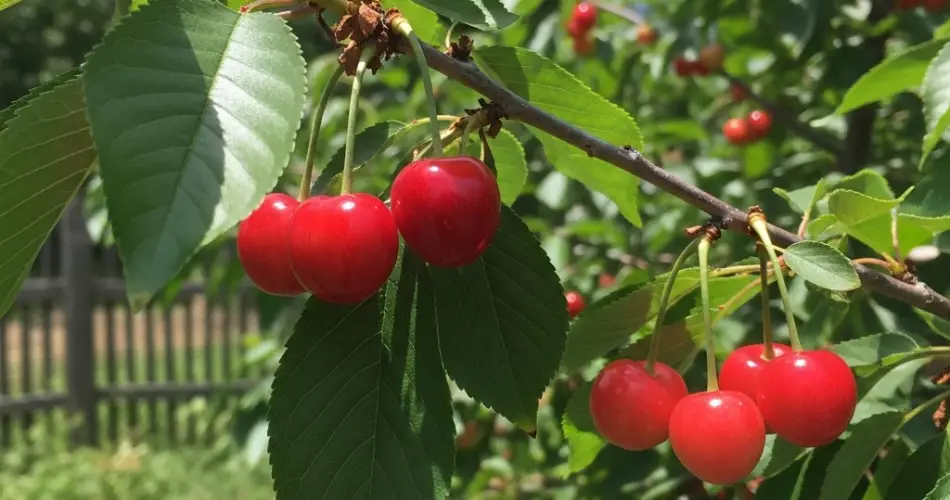
Growing sweet cherries can be incredibly rewarding, especially when you bite into a sun-ripened fruit you’ve nurtured yourself. But to enjoy bountiful harvests, proper fertilization is key. Cherry trees, like all fruit trees, need the right nutrients at the right times to thrive and produce juicy, flavorful fruit. Overfeeding or underfeeding can lead to poor yields, excess foliage, or weak branches. Here’s a detailed guide on how to fertilize cherry trees correctly for abundant and sweet harvests—without waste or guesswork.
1. Understand Your Cherry Tree’s Nutrient Needs
Before reaching for any fertilizer, it’s important to understand what cherry trees actually need. Sweet cherry trees primarily require:
-
Nitrogen (N) for healthy leaf and shoot growth
-
Phosphorus (P) for root development and flower formation
-
Potassium (K) for fruit development and disease resistance
They also benefit from micronutrients like calcium, magnesium, iron, and zinc—especially if the soil lacks balance.
2. Start With a Soil Test
A soil test is the smartest starting point for any fertilization plan. It tells you what nutrients your soil already contains and where it’s lacking. This helps you avoid over-fertilizing and wasting money.
How to test:
-
Use a DIY soil test kit or send a sample to a local agricultural extension service.
-
Test in early spring before applying any fertilizer.
-
Check for pH too—cherry trees prefer slightly acidic to neutral soil (pH 6.0–7.0).
Once you have the results, you can tailor your fertilizer choices to your tree’s actual needs.
3. Timing Matters
The timing of fertilizer applications affects how well the nutrients are absorbed and used. For sweet cherries, the best times to fertilize are:
-
Early spring (before bud break): This supports new leaf and shoot growth.
-
Late spring (after flowering): This helps develop strong fruit and branches.
-
Avoid late summer or fall fertilizing: Feeding too late can cause soft new growth that may be damaged by winter cold.
4. Choose the Right Fertilizer
For established cherry trees, a balanced fertilizer or one slightly higher in nitrogen is typically recommended early in the season. Look for formulations such as:
-
10-10-10 or 12-12-12 (balanced)
-
16-8-8 or 20-10-10 (higher nitrogen)
If your soil test reveals specific deficiencies (e.g., low potassium or magnesium), you may need to amend with specific nutrients like:
-
Potash (potassium)
-
Bone meal (phosphorus)
-
Epsom salts (magnesium)
For organic gardeners, compost, well-rotted manure, and organic blends such as fish emulsion or seaweed extract are excellent choices.
5. How Much to Apply
The amount of fertilizer depends on the age and size of your tree.
-
Young trees (1–3 years): Apply ¼ to ½ pound of nitrogen annually. Split into two applications—early and late spring.
-
Mature trees (4+ years): Use 1–2 pounds of actual nitrogen per year, depending on tree size, vigor, and soil fertility.
Example: If using a 10-10-10 fertilizer, 10% of the product is nitrogen. So, to apply 1 pound of nitrogen, you’d need 10 pounds of the fertilizer.
6. How to Apply Fertilizer Properly
Fertilizer should be spread evenly around the tree’s drip line—the area under the outer edges of the canopy, where feeder roots are most active.
Steps:
-
Rake away mulch if present.
-
Scatter fertilizer evenly around the drip line, not close to the trunk.
-
Water deeply after application to help nutrients soak into the soil.
If you’re using liquid feeds like compost tea or fish emulsion, apply directly to the soil during watering or as a foliar spray early in the morning.
7. Watch for Over-Fertilizing
Too much fertilizer, especially nitrogen, can do more harm than good. It may cause:
-
Excessive leaf and branch growth
-
Delayed or reduced fruiting
-
Weak, brittle limbs
-
Increased susceptibility to disease
If your cherry tree is growing vigorously (over 18 inches of new growth per year) but producing little fruit, it may be getting too much nitrogen.
8. Use Mulch to Boost Soil Health
While mulch isn’t a fertilizer, it supports healthy soil and reduces nutrient loss.
Tips:
-
Apply 2–4 inches of organic mulch like straw, shredded leaves, or bark chips.
-
Keep mulch 2–3 inches away from the trunk.
-
Mulch helps retain moisture, prevent weeds, and gradually improve soil structure as it breaks down.
9. Monitor Tree Health Throughout the Season
Keep an eye on your tree as it grows. Yellowing leaves, stunted growth, or poor fruit development may signal a nutrient imbalance. Adjust your fertilization strategy as needed, based on observations and periodic soil tests.
Final Thoughts
Proper fertilization is essential for growing sweet, flavorful cherries in your garden. By choosing the right fertilizer, applying it at the right time, and monitoring your tree’s growth, you’ll enjoy healthier trees and bigger harvests. Always start with a soil test, feed responsibly, and complement your efforts with good cultural practices like mulching and watering. With these tips, your cherry tree will reward you with delicious fruit year after year.


