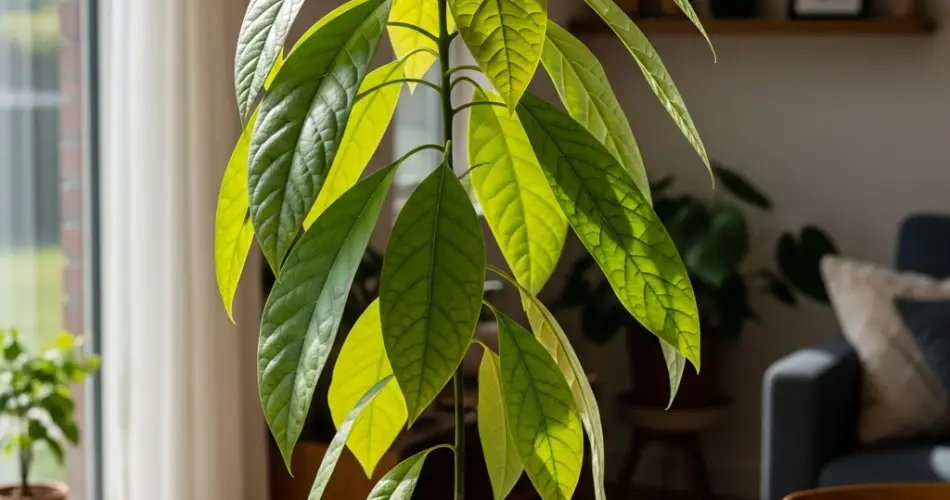
Avocados are rich in nutrients, delicious in everything from salads to smoothies, and surprisingly fun to grow at home. Whether you’re aiming to grow a tree from seed or starting with a nursery plant, cultivating avocados can be a rewarding experience. While growing them to fruit-bearing size takes patience, they make beautiful indoor or outdoor plants along the way. Here’s a complete beginner’s guide to help you grow your own avocado at home.
1. Choose Your Growing Method
There are two main ways to grow avocados at home:
-
From seed (pit): A popular and educational method, although it takes years for the tree to mature, and fruiting is not guaranteed.
-
From a young tree (grafted nursery plant): More reliable if your goal is to harvest fruit within 3–5 years.
For beginners looking for the full experience, starting from a seed can be fun. For quicker results, choose a young grafted tree from a garden center.
2. How to Grow from a Seed
If you want to grow your avocado from a pit, follow these steps:
What you’ll need:
-
A ripe avocado
-
Toothpicks
-
A glass of water
-
A sunny windowsill
Steps:
-
Remove the seed and rinse it gently. Avoid removing the brown skin.
-
Insert three or four toothpicks around the middle of the seed.
-
Suspend the seed over a glass of water, with the broad (bottom) end submerged.
-
Place the glass in a warm, bright location, avoiding direct sun.
-
Change the water every few days to prevent mold and bacteria.
-
After 2–6 weeks, roots and a stem will begin to sprout.
-
Once the stem reaches about 6 inches, cut it back to 3 inches to encourage stronger growth.
-
When the roots are well-developed and leaves form, transplant the seedling into a pot with soil.
3. Best Soil for Avocados
Avocados need loose, well-draining soil. A sandy or loamy mix is ideal. If you’re planting in a container, use a high-quality potting mix designed for citrus or cactus, or make your own blend of:
-
1 part compost
-
1 part perlite or coarse sand
-
1 part peat moss or coconut coir
Avoid heavy soils that retain too much water, as avocados are prone to root rot.
4. Container vs. Ground Planting
-
Container growing: Best for colder climates or small spaces. Choose a pot with drainage holes, and repot as the tree grows.
-
Ground planting: Ideal for warm regions (USDA zones 9–11). Choose a sunny spot with good airflow and well-draining soil.
If growing outdoors, space trees at least 10–15 feet apart.
5. Sunlight and Temperature Needs
Avocados love warmth and sunshine. Provide your plant with at least 6 hours of direct sunlight daily.
Ideal temperatures: 60–85°F (15–29°C). Avoid exposure to frost. If you’re in a cooler climate, keep your avocado tree indoors or in a greenhouse during colder months.
6. Watering Tips
Avocados prefer consistently moist but not soggy soil. Overwatering is a common problem.
Watering tips:
-
Let the top inch of soil dry out before watering again.
-
In containers, make sure excess water can drain freely.
-
In hot weather, monitor soil moisture frequently.
Leaf curling or browning can indicate watering issues or salt buildup in the soil—flush the soil with fresh water occasionally to help.
7. Feeding Your Avocado Plant
Avocado trees benefit from regular feeding, especially during the growing season (spring and summer).
Fertilizer tips:
-
Use a balanced fertilizer with nitrogen, phosphorus, and potassium.
-
Organic options include compost, worm castings, and fish emulsion.
-
Feed once every 4–6 weeks from early spring to late summer.
-
Avoid fertilizing in fall and winter when growth slows down.
8. Pruning and Maintenance
Pruning encourages a fuller shape and helps manage the size, especially in containers.
How to prune:
-
Pinch or snip off the top few inches of new growth to encourage branching.
-
Remove dead or weak branches.
-
Prune in spring for best results.
Keep an eye out for pests like spider mites or scale insects. Treat infestations with insecticidal soap or neem oil if needed.
9. Will It Produce Fruit?
Avocado trees grown from seed may take 5–13 years to bear fruit, and some never do. Grafted nursery trees typically begin producing in 3–5 years and offer more predictable results.
To increase the chance of fruiting, you may need more than one tree for cross-pollination, depending on the variety. However, some types are self-pollinating, especially when grown outdoors where bees are present.
Final Thoughts
Growing an avocado at home is a fun and rewarding project, whether you’re doing it as a hobby or with the hope of harvesting your own fruit. With the right soil, sunlight, and care, your avocado plant will thrive and bring a bit of greenery to your home or garden. While it may take time and patience to enjoy fruit, the process itself is a satisfying journey for any plant enthusiast.


