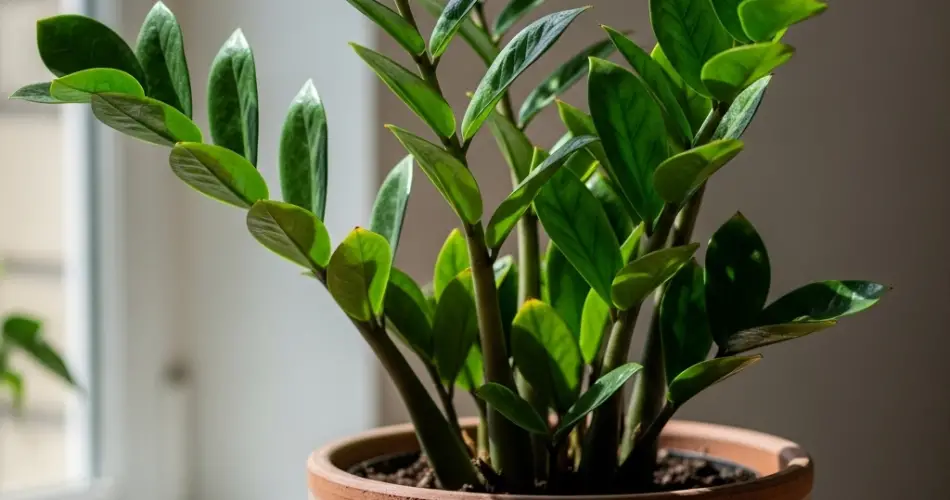
The ZZ plant (Zamioculcas zamiifolia) is one of the most low-maintenance and beginner-friendly houseplants you can grow. Known for its glossy, dark green leaves and upright growth habit, it thrives in a variety of indoor conditions and requires minimal care. Whether you’re looking to brighten up your office desk, living room shelf, or bedroom corner, this hardy plant adapts well to container life. Here’s a complete guide to growing ZZ plants in pots the easy way.
Why Choose the ZZ Plant?
The ZZ plant has become a favorite among indoor gardeners for good reason:
-
It tolerates low light conditions
-
It requires infrequent watering
-
It’s highly resistant to pests and diseases
-
It can thrive even if neglected
This makes the ZZ plant perfect for busy plant lovers or those new to houseplants.
Choosing the Right Pot
Although the ZZ plant is forgiving, using the correct container helps ensure a healthy root system and vibrant foliage.
Size and Depth
Select a pot that’s just slightly larger than the plant’s current root ball. A pot that’s too large may retain excess moisture, which increases the risk of root rot. Start with a container that offers an extra inch or two of space around the roots.
Drainage Is Essential
The most important requirement for a ZZ plant pot is proper drainage. Use a pot with holes in the bottom to allow excess water to escape. Without drainage, the roots can sit in water and rot over time.
Ideal Materials
-
Terracotta or clay pots: These are porous and help wick moisture from the soil, which can prevent overwatering.
-
Plastic pots: Lightweight and moisture-retentive, ideal for drier climates.
-
Ceramic pots: Attractive and stable, but be sure they have a drainage hole.
You can always place a plastic nursery pot inside a decorative cachepot for aesthetic appeal while ensuring healthy drainage.
Best Soil for ZZ Plants
ZZ plants require a light, well-draining soil mix. Standard indoor potting soil is fine, but for best results, amend it with additional drainage material.
Recommended Mix:
-
2 parts general-purpose potting mix
-
1 part perlite or pumice (for aeration)
-
Optional: ½ part orchid bark or coarse sand
Avoid heavy, moisture-retentive soils, which can hold too much water and cause root issues.
How to Pot or Repot the ZZ Plant
ZZ plants don’t mind being a bit root-bound, so repotting every 2–3 years is sufficient unless you see roots poking out of the drainage holes.
Steps to Pot or Repot:
-
Gently remove the plant from its current pot.
-
Loosen the root ball slightly if compacted.
-
Check for any soft, mushy, or blackened roots and trim them off.
-
Place fresh soil at the bottom of the new container.
-
Position the plant upright and fill in around the sides with the potting mix.
-
Press gently to secure the plant, and water lightly.
Light Requirements
ZZ plants are highly adaptable when it comes to lighting. They do best in bright, indirect light but can tolerate lower light environments better than most houseplants.
-
Bright indirect light encourages faster growth.
-
Low light slows growth but won’t harm the plant.
-
Avoid direct sunlight, especially in the afternoon, as it can scorch the leaves.
They’re perfect for offices, hallways, and dim rooms where other plants might struggle.
Watering the ZZ Plant
This plant stores water in its thick rhizomes, so it’s drought-tolerant and only needs occasional watering.
Watering Guidelines:
-
Let the top 2–3 inches of soil dry out before watering.
-
Water deeply until excess drains from the bottom.
-
Discard any water left in the saucer after a few minutes.
-
In winter, reduce watering frequency, as growth slows down.
Overwatering is the most common way ZZ plants are damaged, so when in doubt, wait a few more days before watering.
Fertilizing ZZ Plants
Although ZZ plants are slow growers, they still benefit from occasional feeding.
-
Use a balanced liquid houseplant fertilizer (e.g., 10-10-10 or 20-20-20) diluted to half strength.
-
Apply once every 4–6 weeks during spring and summer.
-
Skip fertilizing in fall and winter when growth is minimal.
General Maintenance Tips
-
Dust the leaves regularly with a damp cloth to keep them shiny and allow for proper photosynthesis.
-
Rotate the pot every few weeks so the plant grows evenly.
-
Prune yellow or damaged leaves at the base to keep the plant tidy.
The ZZ plant rarely requires pruning, but removing older stems occasionally can help maintain a neat appearance.
Common Issues and Troubleshooting
-
Yellowing leaves: Often a sign of overwatering.
-
Drooping stems: May indicate water stress or root rot.
-
Stunted growth: Could be due to very low light or a pot that’s too small.
These issues are usually easy to correct by adjusting light or watering habits.
Final Thoughts
Growing a ZZ plant in pots is one of the simplest ways to add greenery to your home without taking on a demanding plant care routine. With its sleek look, ability to survive with little light and water, and low risk of pest problems, it’s a foolproof choice for any space. All it needs is a well-draining pot, the right soil mix, and occasional attention to remain healthy and vibrant. Whether you’re just starting your indoor garden or adding to an existing collection, the ZZ plant is an easy winner.


