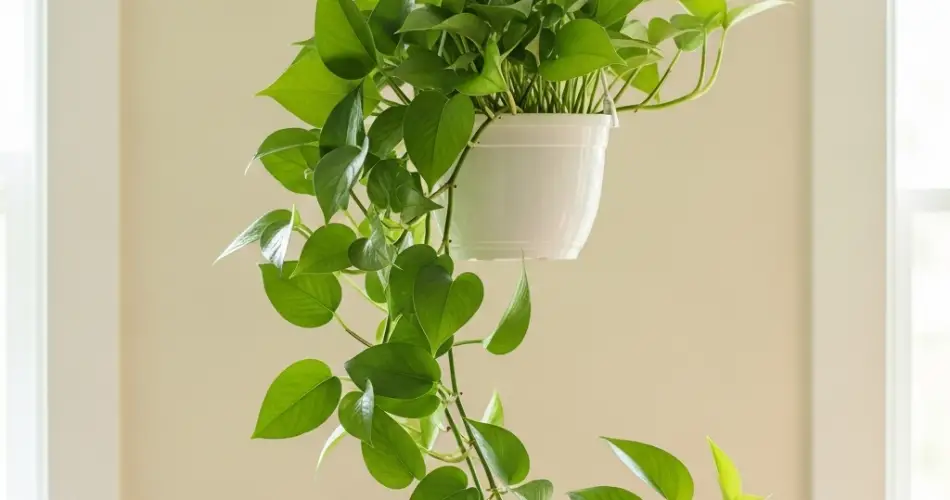
Pothos (Epipremnum aureum), also known as Devil’s Ivy, is one of the most adaptable and low-maintenance indoor plants available. With its cascading vines and vibrant green or variegated leaves, it adds instant beauty to any corner of the home. Whether you’re a beginner or an experienced gardener, this guide will show you how to successfully grow pothos in pots—anywhere, anytime.
Why Pothos Is Perfect for Indoor Growing
Pothos thrives indoors for several reasons:
-
Low light tolerance: It grows well in indirect or even low lighting.
-
Minimal care requirements: Pothos survives occasional neglect, irregular watering, and fluctuating indoor conditions.
-
Air-purifying abilities: It removes toxins like formaldehyde and benzene from indoor air.
-
Fast-growing nature: Within weeks, you’ll see it trail beautifully over shelves or hanging baskets.
This plant fits small apartments, offices, kitchens, and bathrooms with ease.
Choosing the Best Pot for Pothos
A good container is essential for a healthy pothos plant. You can use ceramic, plastic, terracotta, or recycled materials, but keep these features in mind:
-
Drainage holes: Always choose a pot with at least one hole at the bottom to prevent water accumulation and root rot.
-
Right size: A pot 1–2 inches wider than the root ball allows room for growth without overwhelming the plant.
-
Lightweight options: If you plan to hang or move the plant often, plastic pots are ideal due to their weight.
If you’re using a decorative pot without drainage, place a plastic nursery pot inside it to protect the roots from sitting in excess water.
Ideal Soil Mix for Pothos
Pothos needs well-draining soil that allows roots to breathe. Avoid heavy garden soil or dense potting mixes that retain too much water.
Recommended mix:
-
2 parts all-purpose potting soil
-
1 part perlite or pumice
-
Optional: a handful of coco coir or orchid bark for better aeration
This blend helps prevent overwatering issues and promotes healthy root development.
How to Pot or Repot Your Pothos
Potting or repotting is simple and only needed every 1–2 years.
Steps:
-
Remove the plant from its old pot: Gently turn the pot on its side and slide the plant out, being careful not to damage the roots.
-
Examine the roots: Trim away any brown, mushy, or overly tangled roots with sterilized scissors.
-
Prepare the new pot: Add a layer of soil mix at the base.
-
Place the pothos in the center: Position it at the same depth it was growing before.
-
Backfill and firm the soil: Gently press soil around the roots, but don’t compact it too much.
-
Water thoroughly: Let excess water drain out completely.
Allow the soil to dry slightly before watering again.
Watering Tips for Healthy Growth
Pothos prefers its soil to dry out a bit between waterings. Overwatering is the most common mistake.
Watering guide:
-
Check the top 1–2 inches of soil. If dry, it’s time to water.
-
Water deeply until it drains from the bottom.
-
Reduce watering in cooler months.
Use room-temperature water and avoid letting the pot sit in a saucer of water.
Where to Place Pothos Indoors
This flexible plant can grow nearly anywhere in your home:
-
Low to medium light: Ideal for hallways, bedrooms, or bathrooms with natural light.
-
Bright, indirect light: Best for vibrant leaf growth and variegation.
-
Hanging or elevated spots: Use shelves, hanging planters, or macramé holders to showcase its trailing vines.
Rotate your plant every few weeks to encourage balanced growth.
Pothos Propagation: Multiply with Ease
One of the joys of growing pothos is how easily it propagates:
-
Take a healthy vine cutting just below a node (where a leaf meets the stem).
-
Remove the lower leaves.
-
Place the cutting in water or moist soil.
-
Keep in a warm, bright area.
Roots will develop in 1–2 weeks, and you’ll have new plants to pot or share.
Common Pothos Problems and Solutions
Even tough plants can face a few challenges:
-
Yellow leaves: Often caused by overwatering or poor drainage.
-
Brown tips: May indicate dry air or underwatering.
-
Slow growth: Likely due to low light or nutrient deficiency—consider a monthly feeding with diluted liquid fertilizer.
With quick attention, your pothos will bounce back easily.
Final Thoughts
Growing pothos in pots is an effortless way to bring green life into any indoor setting. With the right container, well-draining soil, and consistent care, this hardy vine can thrive in nearly every room. Whether climbing up a moss pole, trailing down from a bookshelf, or brightening up your desk, pothos is a stylish and stress-free houseplant you can enjoy year-round.


