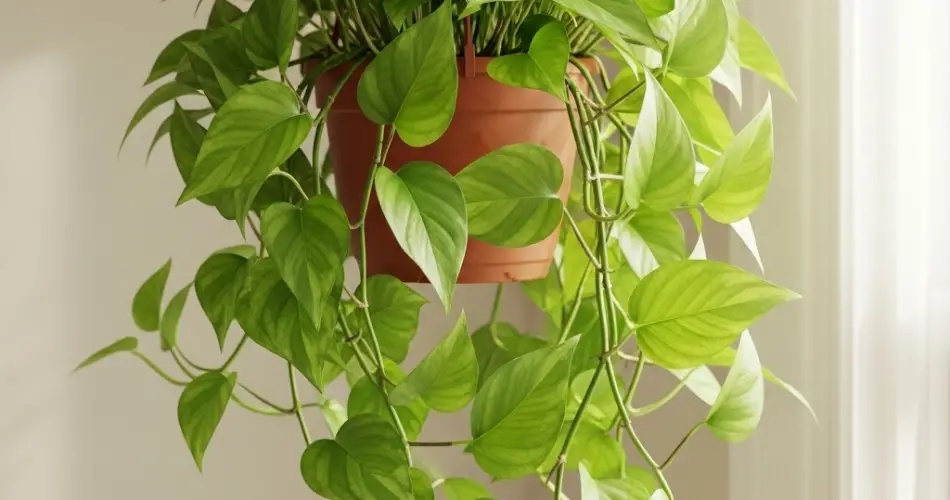
Pothos (Epipremnum aureum), also known as devil’s ivy, is one of the easiest and most rewarding houseplants to grow. With its heart-shaped leaves, trailing vines, and ability to thrive in a range of indoor conditions, pothos is perfect for beginners and experienced plant lovers alike. Whether you’re placing it on a shelf, hanging it in a basket, or letting it trail down a tall cabinet, this plant adds a lush, tropical touch to any space. Here’s a complete guide to growing pothos in pots indoors and keeping it healthy and vibrant.
Why Pothos Is a Top Choice for Indoor Gardens
Pothos is a popular indoor plant because it’s:
-
Low-maintenance and forgiving
-
Tolerant of low to bright indirect light
-
Capable of purifying indoor air
-
Fast-growing with minimal effort
-
Easily propagated from cuttings
This makes pothos a fantastic option for offices, dorm rooms, kitchens, and bathrooms alike.
Selecting the Right Pot
Proper pot selection is important for supporting healthy roots and preventing water issues.
Size Matters
Choose a pot that’s 1–2 inches larger in diameter than the root ball. A container that’s too large may lead to water retention, while a small one could restrict root development. As a rule of thumb, repot every 1–2 years or when the roots start circling the pot or emerging from the drainage holes.
Drainage Is Essential
Always use a pot with drainage holes. This allows excess water to escape and prevents soggy soil, which can lead to root rot. If you’re using a decorative cachepot without holes, make sure the actual plant sits in a nursery pot with drainage and remove it for watering.
Pot Material
-
Terracotta: Breathable and helps prevent overwatering but dries out faster.
-
Plastic: Lightweight and moisture-retentive—good for forgetful waterers.
-
Ceramic: Stylish but heavier; ensure it includes drainage.
The Ideal Potting Mix for Pothos
Pothos thrives in a loose, well-draining potting mix. Standard houseplant soil works well, but you can improve drainage and aeration with a few amendments.
Recommended Soil Blend:
-
2 parts high-quality potting mix
-
1 part perlite or pumice (for drainage)
-
Optional: ½ part coconut coir or orchid bark (for air circulation)
Avoid heavy soils that stay wet too long, as pothos roots prefer to dry out slightly between waterings.
Light Requirements
Pothos is extremely adaptable when it comes to lighting. While it prefers bright, indirect light, it can tolerate low light, making it suitable for rooms without direct sunlight.
-
Bright indirect light encourages vigorous growth and vibrant leaf patterns.
-
Low light slows growth but the plant will still survive.
-
Avoid direct sun, which can scorch the leaves.
If the leaves start fading or the variegation becomes dull, it may be a sign your plant needs more light.
Watering Routine
One of the few ways to harm a pothos is by overwatering. It’s better to let the soil dry slightly than to keep it constantly wet.
Watering Tips:
-
Water when the top 1–2 inches of soil feel dry.
-
Use room-temperature water and soak the soil thoroughly.
-
Let water drain out completely and empty any excess from saucers.
-
Reduce watering during cooler months when growth slows.
Yellowing leaves are often a sign of overwatering, while limp or curling leaves may indicate the plant is too dry.
Fertilizing Pothos for Best Growth
Pothos doesn’t require heavy feeding but benefits from occasional nutrients, especially during its active growing season.
-
Use a balanced liquid fertilizer (e.g., 10-10-10 or 20-20-20).
-
Apply once every 4–6 weeks from spring through summer.
-
Avoid overfertilizing or feeding in winter when growth slows.
Pruning and Training Your Plant
Pruning keeps pothos looking full and encourages branching. You can also train the vines to climb or cascade.
-
Trim leggy stems just above a leaf node to promote bushier growth.
-
Use hooks or trellises to guide vines upward for a vertical display.
-
Remove yellow, damaged, or old leaves regularly.
Pruned stems can be propagated easily in water or soil, giving you more plants to enjoy or share.
Common Pothos Problems and Fixes
Even though pothos is low-maintenance, it can show signs of stress if conditions aren’t ideal.
-
Yellow leaves: Usually a sign of overwatering or poor drainage.
-
Brown leaf tips: Often caused by dry air or inconsistent watering.
-
Droopy leaves: A signal the plant needs water or has root issues.
Regularly inspecting your plant can help catch and correct issues early.
Final Thoughts
Growing pothos in pots indoors is one of the easiest and most rewarding ways to add greenery to your home. With its trailing vines, attractive foliage, and hardy nature, it fits beautifully into any décor style or lighting condition. Just give it the right pot, soil, and care routine, and your pothos will flourish with minimal effort. Whether you’re a seasoned plant enthusiast or just starting out, pothos is the perfect plant to grow lush and green with confidence.


