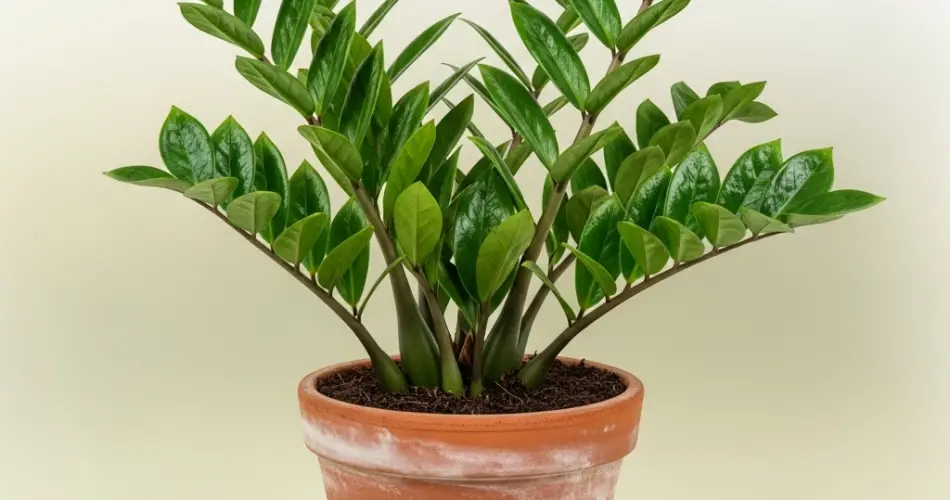
The ZZ plant (Zamioculcas zamiifolia) has earned a reputation as one of the easiest and most resilient houseplants available. Its shiny, upright foliage and tolerance for low light and irregular watering make it a top choice for busy plant lovers and beginners alike. One of the key elements to maintaining a healthy ZZ plant is understanding the right way to pot it.
Whether you’re repotting a nursery plant or starting fresh, this guide will help you achieve ZZ plant success with simple potting tips.
Choose the Right Container
The ZZ plant doesn’t demand much, but it does require the right kind of pot to support its slow-growing rhizomes and prevent water from pooling.
Look for a container with:
-
Drainage holes: These are essential to avoid water stagnation and root rot.
-
Moderate size: The pot should be just 1–2 inches wider than the plant’s current root ball. An oversized pot may retain too much moisture.
-
Stable material: Plastic, ceramic, and terracotta pots all work. Terracotta helps wick away moisture, making it a great choice if you’re prone to overwatering.
Avoid decorative containers without drainage unless used as outer cachepots with an inner grow pot.
Use a Well-Draining Soil Mix
The ZZ plant thrives in a light, airy mix that allows its thick underground rhizomes to breathe. Heavy or compacted soil can lead to excess moisture retention and rot.
Best soil ingredients:
-
A high-quality indoor plant mix
-
Perlite, pumice, or coarse sand to improve drainage
-
Optional: a handful of orchid bark for extra aeration
You can also use a cactus or succulent mix, which closely mimics the ZZ plant’s natural preferences.
How to Repot or Pot a ZZ Plant
Whether you’re potting a new ZZ plant or repotting a mature one, here’s a step-by-step guide:
-
Prepare the pot: Ensure drainage holes are clear. If needed, add a thin layer of stones or broken pottery at the bottom (optional for airflow).
-
Add fresh soil: Fill the pot about one-third with your soil mix.
-
Remove the plant: Gently take the ZZ plant out of its current container. Loosen the root ball slightly without damaging the rhizomes.
-
Place and fill: Center the plant in the pot and fill in around it with more soil. Gently firm the mix around the roots but don’t compact it tightly.
-
Water lightly: After potting, water sparingly. Let the top inch of soil dry out before watering again.
If your plant has outgrown its pot but you’re not ready to repot, simply top-dress with fresh soil and remove any compacted upper layers.
Watering After Potting
The ZZ plant is drought-tolerant and stores water in its rhizomes. Overwatering is a common mistake that leads to root rot.
Watering guidelines:
-
Water only when the top 1–2 inches of soil are dry.
-
During the active growing season (spring and summer), water once every 2–3 weeks.
-
In fall and winter, reduce watering to once a month or less.
Use the soak-and-drain method: water thoroughly, then let excess water drain out. Never let the pot sit in water.
Light Needs and Placement
ZZ plants adapt well to a variety of light conditions, making them perfect for different areas of the home or office.
Ideal placement tips:
-
Bright, indirect light encourages faster growth.
-
Tolerates low-light areas but will grow more slowly.
-
Avoid direct sunlight, which can scorch the leaves.
-
Rotate the pot occasionally to keep growth even.
This flexibility makes the ZZ plant great for hallways, offices, bathrooms, or rooms with filtered light.
When to Repot Again
ZZ plants grow slowly and don’t need frequent repotting. In fact, they prefer being slightly root-bound.
Repot every 2–3 years or when:
-
Roots are circling the pot or growing through drainage holes
-
Water runs straight through the soil too quickly
-
The plant becomes top-heavy or unstable
When repotting, increase the pot size by just a couple of inches and refresh the soil entirely.
Common Potting Issues and Solutions
Even low-maintenance plants like the ZZ can run into trouble if potted improperly.
-
Yellowing leaves: Often caused by overwatering. Let the soil dry completely between waterings.
-
Wrinkled stalks or leaves: May signal underwatering or root issues.
-
Mushy rhizomes: Remove damaged roots and repot in fresh, dry soil.
Keeping your ZZ in well-draining soil and an appropriately sized pot will prevent most issues.
Final Thoughts
Potting a ZZ plant the right way is simple and rewarding. By selecting a container with proper drainage, using a light soil mix, and watering with care, you can enjoy a healthy, attractive plant that adds greenery to any space. The ZZ plant’s easygoing nature makes it an ideal companion—even for those without a green thumb.
Whether on a shelf, a desk, or a windowsill, a well-potted ZZ plant brings life to your indoor space with minimal effort.


