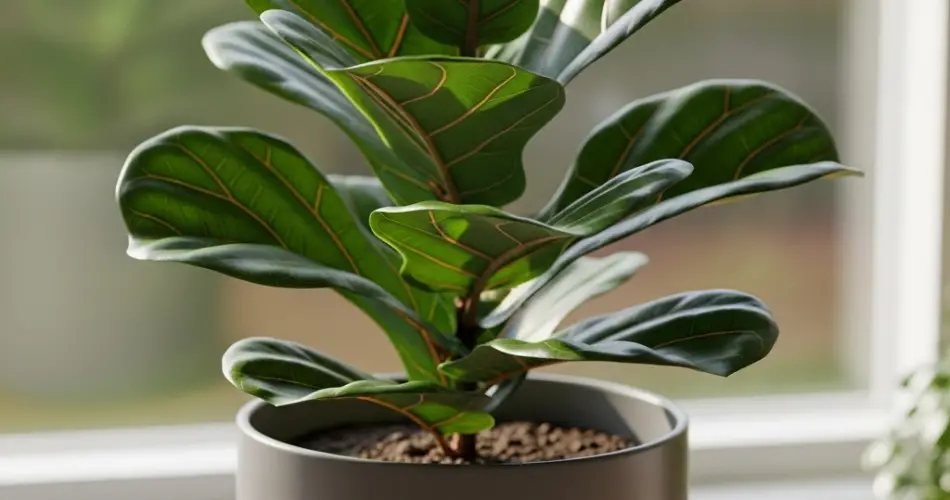
Fiddle leaf figs (Ficus lyrata) have become one of the most popular indoor plants thanks to their bold, violin-shaped leaves and elegant upright structure. While they make a stunning statement in living rooms, offices, and entryways, fiddle leaf figs can be somewhat finicky if not potted and cared for correctly. This guide covers everything you need to know about choosing the right pot, creating the best growing conditions, and maintaining a healthy plant indoors.
Choosing the Right Pot for Your Fiddle Leaf Fig
The foundation of fiddle leaf fig care begins with proper potting. A healthy root system directly impacts the plant’s ability to absorb water, nutrients, and remain upright as it grows.
Ideal Pot Size
Choose a pot that is 2–4 inches larger in diameter than the current root ball. A pot that is too large will retain excess moisture, which can lead to root rot. On the other hand, a pot that’s too small can restrict root growth and lead to stunted development.
Drainage Is a Must
No matter the style of the pot—ceramic, plastic, or terracotta—it must have drainage holes. Fiddle leaf figs are highly sensitive to soggy roots. Excess water needs to drain away freely to avoid rot and disease. If your decorative pot doesn’t have holes, use a nursery pot with drainage inside it and remove it when watering.
Best Pot Materials
-
Terracotta: Allows airflow and dries out faster—great for humid environments.
-
Ceramic (with drainage): Stylish and holds moisture longer, suitable for drier indoor conditions.
-
Plastic: Lightweight and retains moisture; best for consistent indoor climates.
Potting Mix for Healthy Growth
Fiddle leaf figs prefer a fast-draining, well-aerated soil. A rich but light potting mix is essential to balance moisture retention and proper drainage.
Recommended Soil Mix
-
2 parts high-quality indoor potting soil
-
1 part perlite or pumice (for drainage)
-
1 part pine bark fines or coco coir (for structure and aeration)
Avoid heavy garden soil or overly moisture-retentive mixes, as these can suffocate roots and promote fungal growth.
How to Repot a Fiddle Leaf Fig
Repotting is necessary every 1–2 years or when you notice the roots circling the bottom of the pot or emerging from drainage holes.
Steps to Repot:
-
Gently remove the plant from its current container, supporting the base of the trunk.
-
Shake off excess soil and inspect the roots. Trim any that are black, mushy, or overly tangled.
-
Place a layer of fresh soil in the bottom of the new pot.
-
Position the plant upright in the center and fill around it with the potting mix, pressing gently to eliminate air pockets.
-
Water lightly to help settle the soil.
After repotting, avoid fertilizing for about a month and give your plant time to adjust.
Light and Location Tips
Fiddle leaf figs thrive in bright, indirect light. They do best near east- or south-facing windows where they get several hours of sunlight without being scorched.
-
Rotate the plant every few weeks to promote even growth.
-
Avoid drafty spots or direct airflow from air conditioners and heaters.
-
Don’t move it frequently—fiddle leaf figs dislike changes in location.
If the leaves are stretching or becoming sparse, it may not be receiving enough light. Consider moving it closer to a window or supplementing with a grow light.
Watering Routine and Moisture Needs
Watering fiddle leaf figs correctly is crucial. These plants are particularly prone to root rot if overwatered, but they also dislike being completely dry for extended periods.
-
Water when the top 2 inches of soil feel dry to the touch.
-
Water thoroughly until it drains from the bottom of the pot, then discard any excess in the saucer.
-
In winter, reduce watering frequency as growth slows.
Using a moisture meter can help prevent over- or under-watering.
Feeding and Fertilizing
Fiddle leaf figs are moderate feeders. Use a balanced liquid houseplant fertilizer (such as 10-10-10 or 3-1-2) diluted to half strength once a month during spring and summer. Avoid fertilizing in fall and winter when the plant is less active.
Pruning and Cleaning
Occasional pruning helps your plant maintain shape and encourages new growth.
-
Use sharp, clean shears to remove any leggy, damaged, or lower leaves.
-
Wipe leaves regularly with a damp cloth to remove dust and help with photosynthesis.
-
If the plant becomes too tall or top-heavy, cut back the top node to encourage branching.
Common Issues and Solutions
-
Brown edges or spots: Often caused by inconsistent watering or dry air.
-
Drooping leaves: Could indicate under-watering or sudden environmental changes.
-
Yellowing leaves: Typically a sign of overwatering or poor drainage.
Final Thoughts
With the right care, a fiddle leaf fig can become a stunning and long-lasting part of your indoor plant collection. Start with a well-draining soil mix, choose a pot with proper drainage, give it bright indirect light, and maintain a steady watering routine. Over time, your fiddle leaf fig will reward you with lush, glossy foliage and striking height that brings life and style to any room.


