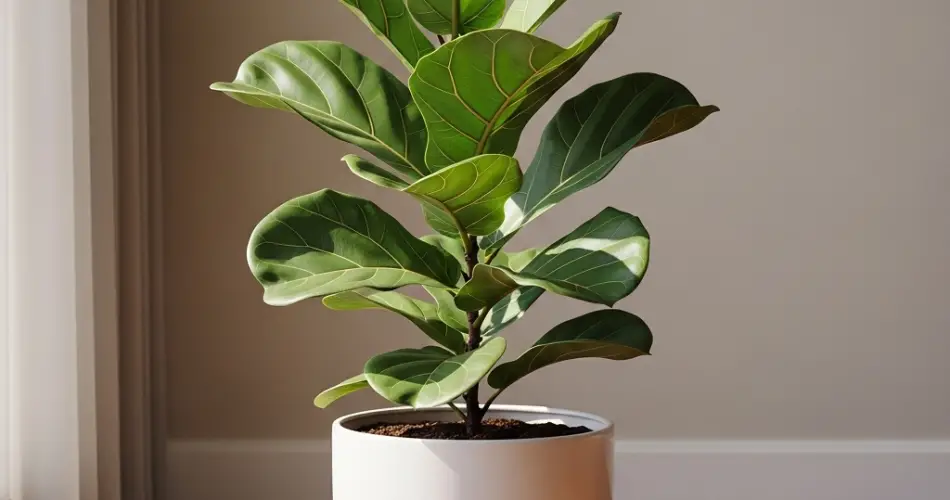
The fiddle leaf fig (Ficus lyrata) has become one of the most popular houseplants for interior styling—and for good reason. Its large, glossy leaves and upright shape add a bold, architectural element to any room. While it can be a bit finicky, learning how to grow a fiddle leaf fig in a pot the right way ensures your plant not only survives but thrives.
Here’s everything you need to know to cultivate a healthy, stylish fiddle leaf fig in a container, even if you’re new to indoor gardening.
Choose the Right Pot for Long-Term Growth
One of the first and most important steps is choosing the right pot. Fiddle leaf figs grow tall and can become top-heavy, so your container should provide stability and room for healthy root development.
Key pot features:
-
Drainage holes: These are essential. Without them, excess water can pool at the bottom and cause root rot.
-
Size: Start with a pot that’s 2–3 inches wider than the plant’s root ball. Avoid oversized pots, as they retain too much moisture.
-
Material: Clay or ceramic pots are great for moisture regulation, while plastic pots are lightweight and easy to move.
If your plant is already potted and you’re repotting it, use fresh soil and ensure the new container isn’t too large.
Use Well-Draining Soil
Fiddle leaf figs are native to West Africa’s tropical rainforests and prefer loose, well-aerated soil that allows water to drain quickly while still retaining some moisture.
Ideal potting mix:
-
Use a high-quality indoor plant soil.
-
Mix in perlite or coarse sand to improve drainage.
-
Avoid heavy garden soils that can retain too much water.
This type of mix will support strong root development and reduce the risk of soggy conditions that lead to root rot.
Provide Bright, Indirect Light
Light is crucial for a fiddle leaf fig’s health. These plants thrive in bright, indirect sunlight. While they can tolerate some direct sun, too much can scorch the leaves.
Lighting tips:
-
Place your pot near a large east- or south-facing window.
-
If the plant begins leaning, rotate the pot every 7–10 days to encourage even growth.
-
Avoid placing the plant in dark corners or low-light areas—it won’t thrive there.
If you don’t have access to sufficient natural light, consider supplementing with a grow light to mimic ideal conditions.
Water with Care and Consistency
Watering is where many people go wrong with fiddle leaf figs. These plants don’t like extremes—neither soggy soil nor complete dryness.
Watering guide:
-
Allow the top 2 inches of soil to dry out between waterings.
-
Stick your finger into the soil to check moisture before adding water.
-
Water thoroughly until it runs out the drainage holes, then empty any water left in the saucer.
In warmer months, you may need to water weekly. In cooler months, reduce frequency to every 10–14 days.
Fertilize During the Growing Season
During spring and summer, fiddle leaf figs benefit from regular feeding to support leaf growth and overall health.
Fertilizer tips:
-
Use a balanced, water-soluble fertilizer (e.g., 10-10-10 or 20-20-20) once a month.
-
Alternatively, a slow-release fertilizer formulated for houseplants can be applied every few months.
-
Stop fertilizing during fall and winter, when the plant’s growth slows naturally.
Pruning and Shaping Your Plant
Fiddle leaf figs can grow up to 6 feet or more indoors, so occasional pruning helps manage size and encourages branching.
Pruning tips:
-
Use clean, sharp shears to remove dead or damaged leaves.
-
To encourage a fuller shape, trim the top of the main stem. This signals the plant to branch out.
-
Always cut just above a leaf node to promote new growth.
You can also remove lower leaves over time to reveal more of the trunk if you prefer a tree-like shape.
Repot When Necessary
As your fiddle leaf fig grows, it may become root-bound. Repotting every 1–2 years allows the plant to access fresh nutrients and continue thriving.
Signs it’s time to repot:
-
Roots are growing out of the drainage holes.
-
Water runs straight through the pot.
-
The plant looks top-heavy or stunted.
When repotting, go up just one pot size and refresh the soil completely.
Common Issues and Fixes
Fiddle leaf figs can be sensitive to environmental changes, but most problems can be solved with small adjustments.
Brown spots: Often caused by overwatering or poor drainage. Let the soil dry before watering again.
Drooping leaves: This may be a sign of underwatering or sudden temperature changes.
Leaf drop: Typically caused by relocation, drafts, or low humidity. Try to keep conditions stable.
Dusty leaves: Wipe with a damp cloth regularly to help the plant photosynthesize efficiently.
Final Thoughts
Growing a fiddle leaf fig in a pot can be incredibly rewarding when done correctly. With proper light, a well-chosen container, the right soil, and consistent watering, this popular indoor tree can transform your space into a lush, elegant retreat. Whether you’re going for a minimalist corner statement or a full tropical vibe, the fiddle leaf fig is a showstopper plant that responds well to attentive care.


