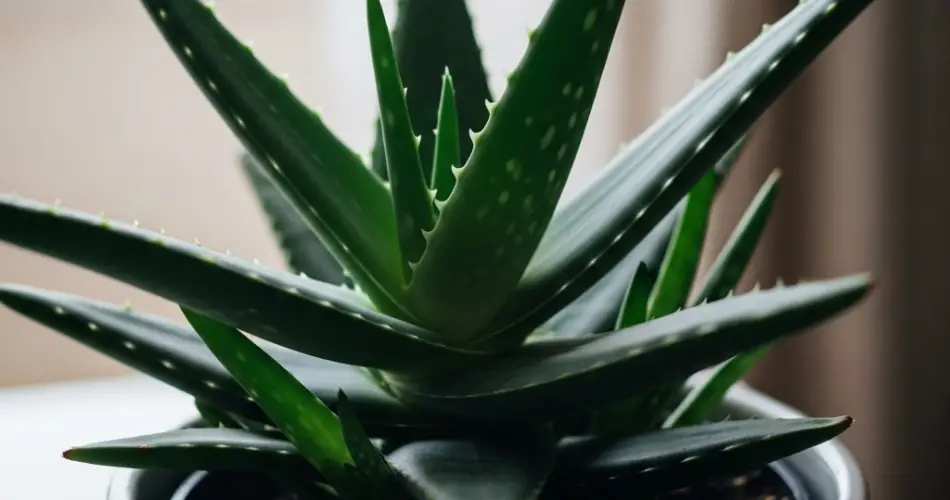
Aloe vera is one of the most popular houseplants, cherished for its low-maintenance nature, healing gel, and attractive succulent leaves. While aloe is easy to grow, its long-term health heavily depends on the right potting mix and the right container. Without these essentials, this desert native can suffer from poor root development, rot, or stunted growth.
To help your aloe vera thrive, this guide outlines how to choose the ideal soil and container, ensuring strong roots, vibrant leaves, and healthy plant growth indoors or out.
Understanding Aloe Vera’s Natural Needs
Aloe vera originates from arid regions and thrives in hot, dry climates. As a succulent, it stores water in its thick, fleshy leaves and roots. This means it is highly sensitive to excess moisture and needs soil that drains quickly and doesn’t retain too much water. Mimicking its natural habitat is the key to success when growing aloe in containers.
Best Potting Mix for Aloe Vera
The foundation of healthy aloe vera begins with the right soil. Regular potting soil is too dense and holds too much moisture, which can lead to root rot and fungal issues.
Key Characteristics of a Good Aloe Mix:
-
Fast-draining: Prevents water from sitting around the roots.
-
Sandy or gritty texture: Replicates dry, desert-like conditions.
-
Low organic content: Too much compost or peat holds moisture.
Recommended Potting Mix Recipes:
Option 1: Pre-Mixed Cactus or Succulent Soil
Cactus and succulent mixes are widely available and ideal for aloe. These are formulated to drain quickly and provide a loose structure that allows airflow to the roots.
Option 2: DIY Aloe Mix (3 Simple Ingredients)
Make your own aloe-friendly soil by combining:
-
2 parts regular potting soil
-
1 part coarse sand or perlite
-
1 part pumice, crushed granite, or small gravel
This combination offers both structure and aeration while avoiding water retention. Avoid using beach sand, which may contain salts harmful to plants.
Choosing the Right Container
The pot you choose for aloe vera is just as important as the soil. Since aloe roots dislike soggy conditions, a container that promotes drainage and breathability is a must.
1. Drainage Holes Are Essential
Always choose a container with at least one good-sized drainage hole. This allows excess water to escape and prevents it from accumulating at the bottom, where it can rot the roots.
2. Best Pot Materials for Aloe Vera
-
Terracotta or Clay Pots
Terracotta is porous and allows air to pass through the walls of the pot, helping the soil dry out faster. It’s ideal for those prone to overwatering or living in humid areas. -
Ceramic Pots with Drainage
Glazed ceramic pots are attractive but less breathable. They hold moisture longer, which can be helpful in very dry environments. Just ensure they have drainage holes. -
Plastic Pots (Use with Caution)
Plastic retains the most moisture, which can be risky for aloe if overwatered. If using plastic, be extra cautious with watering and consider mixing in extra perlite or pumice to improve drainage.
3. Pot Size and Shape
Aloe vera doesn’t need a large pot and actually prefers to be slightly root-bound. Choose a pot that is just a bit wider than the root ball. Overly large pots can trap excess moisture. Additionally, wide and shallow pots work well since aloe roots tend to spread rather than grow deep.
Repotting Aloe Vera: When and How
Aloe vera grows slowly, but it may outgrow its container over time or produce offshoots (pups) that crowd the pot. Repot when:
-
Roots start circling the pot or protruding from the bottom.
-
Soil dries out too quickly.
-
The plant becomes top-heavy or unstable.
When repotting, remove the aloe from its current pot, shake off old soil, and trim any soft or rotted roots. Replant in fresh, dry soil and wait a few days before watering to allow the roots to settle and any wounds to heal.
Watering Tips for Potted Aloe Vera
The correct soil and pot will go a long way, but proper watering habits complete the care routine:
-
Water deeply but infrequently. Allow soil to dry out completely between waterings.
-
In winter, reduce watering significantly as aloe enters dormancy.
-
Always empty saucers of excess water after watering to prevent root saturation.
Final Thoughts
Growing aloe vera in containers is easy and rewarding, especially when the right potting mix and container are used. Prioritize drainage, mimic dry soil conditions, and avoid excessive watering. A breathable pot like terracotta paired with a well-draining soil mix will create the perfect environment for your aloe to thrive.
With just a little attention to its needs, your aloe vera will stay healthy, produce vibrant leaves, and provide soothing gel whenever needed—all from the comfort of your home.


