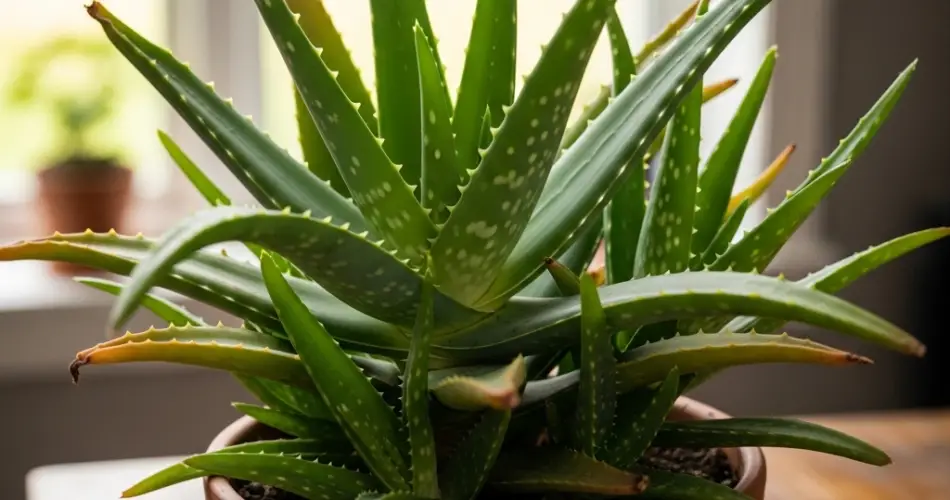
Aloe vera is more than just a beautiful succulent—it’s a natural remedy powerhouse that’s easy to grow at home. From soothing sunburns to nourishing skin, this healing plant belongs in every household. Growing aloe vera in pots is a practical, space-saving way to enjoy its benefits, whether you’re working with a windowsill, balcony, or patio.
With just a few simple steps, you can cultivate a thriving aloe vera plant right at home. Here’s how to pot, care for, and harvest your own aloe vera for everyday use.
Why Grow Aloe Vera at Home?
Aloe vera has long been treasured for its medicinal properties. The gel inside its thick, fleshy leaves contains vitamins, enzymes, amino acids, and antioxidants that promote skin health, aid digestion, and reduce inflammation. Having fresh aloe on hand means you can harvest what you need whenever you need it.
Benefits of growing aloe vera in pots:
-
Fresh supply of healing gel
-
Low-maintenance and drought-tolerant
-
Adapts well to container gardening
-
Adds greenery and visual interest indoors or outdoors
Choosing the Right Pot
When growing aloe vera in pots, selecting the right container is key to its health and growth. Aloe plants hate sitting in water, so proper drainage is a must.
Ideal pot characteristics:
-
Drainage holes: Absolutely essential to avoid root rot.
-
Material: Terracotta or clay pots are ideal because they help absorb excess moisture.
-
Size: Choose a pot slightly wider than the plant’s root system, about 6–8 inches for a starter plant. Aloe prefers being slightly root-bound, so there’s no need to upsize too quickly.
Best Soil for Aloe Vera
Aloe vera thrives in light, fast-draining soil. Regular potting soil is usually too dense and holds too much moisture, which can lead to rot.
Recommended soil mix:
-
Cactus or succulent potting mix (readily available at garden centers)
-
OR a DIY blend of 2 parts sand or perlite + 1 part potting soil
Avoid adding peat moss, which can retain moisture for too long and damage the roots.
Lighting and Placement
Aloe vera needs plenty of bright, indirect sunlight to thrive. While it can handle some direct sun, prolonged exposure to harsh rays—especially in hot climates—can cause leaf burn.
Lighting tips:
-
Indoors: Place the pot near a sunny window, preferably south- or west-facing.
-
Outdoors: Choose a spot with filtered sun or partial shade, especially during peak afternoon heat.
Rotate the plant every week or two to promote even growth and prevent it from leaning toward the light.
Watering Aloe Vera Properly
Aloe vera is a desert plant, so it stores water in its leaves and prefers dry conditions over wet. Overwatering is the number one cause of aloe plant failure.
Watering guide:
-
Water deeply but infrequently. Let the top 2–3 inches of soil dry out completely before watering again.
-
Water less in cooler months (every 3–4 weeks may be enough).
-
Always let excess water drain completely from the pot.
Yellowing or mushy leaves are a sign of overwatering, while dry, curling leaves may indicate the need for a drink.
Fertilizing Aloe Vera
Aloe doesn’t need much feeding. In fact, too much fertilizer can harm it. But a little boost during the growing season can support healthy leaf development.
Feeding tips:
-
Use a diluted, balanced liquid fertilizer (like 10-10-10 or 15-15-15).
-
Apply once in spring and again in mid-summer.
-
Do not fertilize in fall or winter when growth slows down.
Pruning, Repotting, and Propagating
Aloe vera grows slowly but may need attention if it becomes overcrowded or starts producing pups (baby plants).
Pruning:
-
Remove dead or damaged leaves at the base using a clean, sharp knife or scissors.
Repotting:
-
Repot when the plant outgrows its pot or becomes too top-heavy.
-
Choose a new pot just a couple of inches wider than the current one.
Propagation:
-
Aloe vera pups appear around the base of the plant.
-
Separate them gently from the parent, allow the cuts to dry for a day or two, and plant them in their own pots with dry soil.
-
Water sparingly at first to encourage root development.
How to Harvest Aloe Gel
When your aloe plant is mature, you can start harvesting gel from the lower, older leaves.
How to harvest:
-
Use a sharp, sterilized knife to cut a healthy outer leaf at the base.
-
Let the yellow sap (aloin) drain—it can be irritating to the skin.
-
Cut the leaf open lengthwise and scrape out the clear gel with a spoon.
-
Use immediately for skin care or store in a sealed container in the fridge for up to a week.
Common Problems and How to Fix Them
-
Soft, mushy leaves: Overwatering or poor drainage.
-
Brown tips or leaf burn: Too much direct sun or lack of water.
-
Slow growth: Not enough light or nutrients.
By adjusting the care routine, most issues can be resolved quickly.
Final Thoughts
Growing aloe vera in pots is a rewarding and easy way to bring a functional, healing plant into your daily life. Whether kept in the kitchen for first-aid purposes or used as a natural décor accent in your living room, aloe vera offers both beauty and benefits with minimal effort. Just give it good drainage, the right amount of light, and infrequent watering, and it will reward you for years to come.


