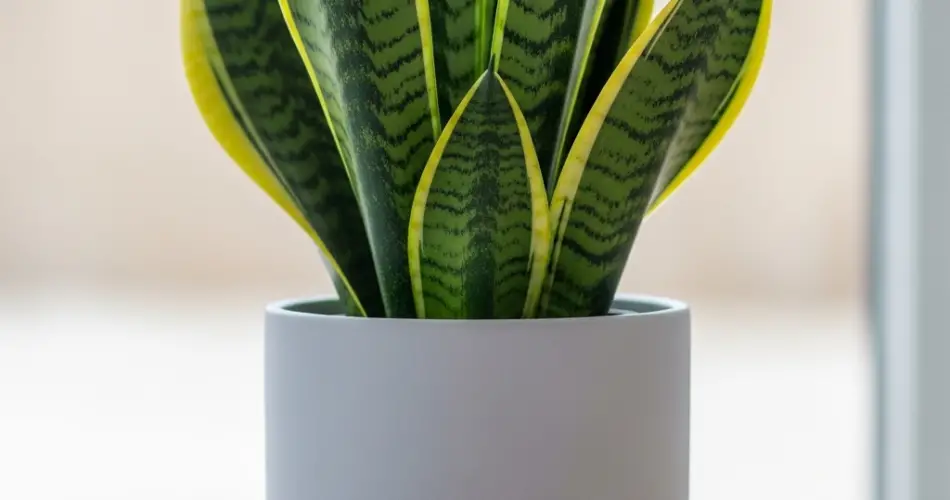
Snake plants (Sansevieria), also known as mother-in-law’s tongue, are among the easiest houseplants to grow. Their sleek, upright leaves and tolerance for low-light conditions make them popular choices for both beginners and experienced plant lovers. But behind their hardy exterior lies a secret to their long-term health: the right pot. Choosing the ideal container can have a major impact on your snake plant’s root system, moisture balance, and overall growth.
This article explores how to choose the perfect pot for your snake plant—not just for visual appeal, but to promote healthy roots, proper drainage, and long-lasting vitality.
Why Pot Selection Is Important for Snake Plants
While snake plants are famous for surviving neglect, improper pot selection can cause issues like root rot or stunted growth. The root system of a snake plant prefers to be slightly snug, but it still needs enough room to breathe and expand slowly over time.
These plants store moisture in their thick roots and rhizomes, meaning they are highly susceptible to overwatering. The right pot can help regulate moisture and airflow, ensuring the plant stays healthy from the bottom up.
Key Pot Features to Consider
1. Drainage Is Non-Negotiable
Snake plants are highly drought-tolerant but will quickly suffer if water collects at the bottom of their pot. Always choose a container with at least one drainage hole. This allows excess water to escape, reducing the risk of root rot.
2. Material Affects Moisture Retention
Different pot materials hold or release moisture in unique ways. Understanding their properties can help you select the right one based on your indoor environment and watering habits.
-
Terracotta/Clay: These pots are breathable and porous, which helps wick away excess moisture. This makes them an excellent option for snake plants, especially in humid or overwatered conditions.
-
Ceramic (Glazed): Glazed ceramic pots hold more moisture than unglazed clay. They are beautiful and stylish, but require careful watering.
-
Plastic: Lightweight and affordable, plastic pots retain the most moisture. They’re great for dry environments but need close attention to prevent soggy soil.
3. Size and Depth
Snake plants prefer slightly tight quarters. Choose a pot that is just 1–2 inches wider than the current root ball. Oversized pots retain more water than necessary, creating overly wet soil that invites root rot.
Additionally, shallow pots work well because snake plant roots don’t grow very deep, but they do spread outward. Opt for a medium-depth container with a wider base to accommodate this growth habit.
Best Pot Styles for Snake Plants
1. Terracotta Pots for Maximum Breathability
Terracotta pots are often the top recommendation for snake plants. Their porous nature allows for air and water exchange, reducing moisture buildup in the soil. Pairing a terracotta pot with a gritty, fast-draining soil mix provides the ideal balance for strong, healthy roots.
2. Ceramic Pots for a Stylish Upgrade
If aesthetics matter, glazed ceramic pots offer beauty without compromising too much on function. Make sure the pot has a drainage hole and avoid letting water pool at the bottom. Choose a saucer or stand to catch any excess moisture.
3. Decorative Cachepots with Inner Liners
If you fall in love with a pot that lacks drainage, consider using a plastic liner inside it. Keep the snake plant in a plastic grow pot with drainage and place it inside your decorative container. This way, you can remove it for watering, let the water drain fully, and return it once dry.
4. Self-Watering Planters—With Caution
Self-watering pots may seem convenient, but they are risky for drought-tolerant plants like snake plants. If you choose this type of container, make sure the reservoir stays mostly dry and only water when the top few inches of soil are completely dry.
Soil and Potting Mix Tips
Even the best pot can’t save a snake plant from compact, poorly-draining soil. For container success, use a gritty, fast-draining mix. A cactus or succulent blend with added perlite or coarse sand is ideal. Avoid regular potting soil unless it is amended to improve drainage.
When repotting, gently loosen the roots and remove any mushy or dark-colored roots that indicate rot. Snake plants don’t need frequent repotting—every 2–3 years is usually enough unless the plant is rootbound or outgrowing its pot.
Maintaining Healthy Roots Over Time
-
Water only when needed: Let the soil dry out completely before watering again. Use your finger to test soil moisture several inches down.
-
Avoid misting: Snake plants prefer dry air. Misting may increase the risk of leaf rot.
-
Clean the leaves: Dust can block light. Wipe leaves gently with a damp cloth.
-
Rotate regularly: To encourage even growth, turn your plant every few weeks.
Conclusion
Snake plants are incredibly forgiving, but they still appreciate the right environment to thrive. Choosing the proper pot—one that provides airflow, drainage, and appropriate space—goes a long way in ensuring healthy root development. Whether you prefer rustic terracotta or modern ceramic, combining good pot choice with proper soil and care routines will give your snake plant the strong foundation it needs to grow tall and healthy in any indoor setting.


