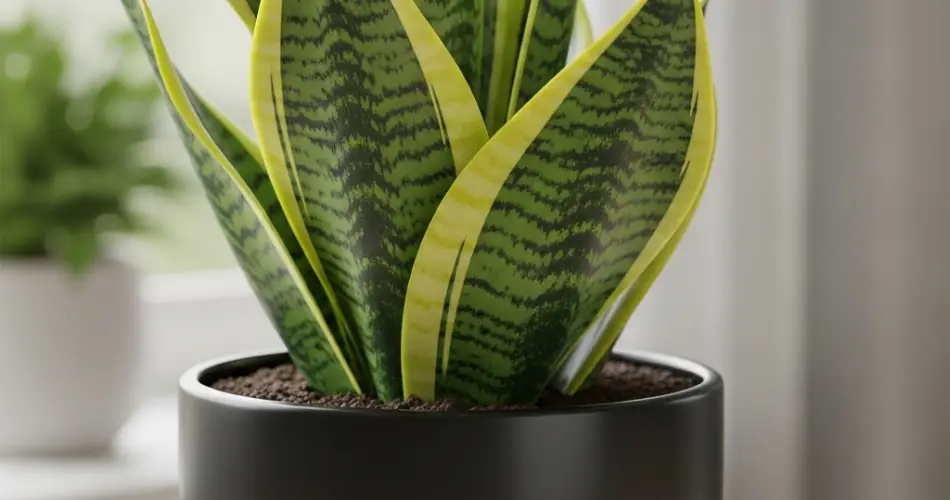
The snake plant (Sansevieria), also known as mother-in-law’s tongue, is a favorite choice for indoor gardening due to its sleek vertical leaves, easy care requirements, and powerful air-purifying properties. Whether you’re new to houseplants or a seasoned indoor gardener, growing a snake plant in pots is a stylish and practical way to bring greenery indoors.
Here’s everything you need to know about successfully growing snake plants in pots and enjoying their aesthetic and health benefits in your living space.
Why Choose a Snake Plant?
Snake plants are known for their architectural beauty and resilience. Their stiff, upright leaves come in a variety of patterns and shades, from dark green to striped yellow margins. These plants not only add modern elegance to any room but also clean the air by filtering out toxins like formaldehyde, benzene, and xylene.
Benefits of snake plants:
-
Low maintenance and drought-tolerant
-
Thrive in low to bright indirect light
-
Help purify indoor air
-
Come in different sizes and leaf shapes
-
Adapt well to containers and small spaces
Selecting the Right Pot
Snake plants are incredibly adaptable and can grow in almost any container, but choosing the right pot is essential for both plant health and interior style.
Pot considerations:
-
Size: Choose a pot that’s slightly larger than the root ball—1–2 inches wider is ideal.
-
Material: Terracotta pots are excellent as they allow excess moisture to evaporate, preventing root rot. Plastic and ceramic pots are also fine, as long as they have drainage holes.
-
Design: Opt for a pot that complements your home decor. Minimalist white, matte black, or natural clay tones pair beautifully with the plant’s bold, upright form.
Always ensure the pot has good drainage. Snake plants are very sensitive to waterlogged roots.
Best Soil Mix for Snake Plants
Snake plants need well-draining soil to thrive. Using standard garden soil or dense potting mixes can trap water and lead to root rot. Instead, use a soil blend that encourages air flow and drainage.
Ideal soil mix:
-
2 parts cactus or succulent mix
-
1 part perlite or coarse sand
-
Optional: a handful of activated charcoal to reduce soil impurities
This kind of mix ensures moisture doesn’t linger too long, mimicking the plant’s natural arid habitat.
Light and Placement Tips
Snake plants are highly versatile when it comes to light. They do best in bright, indirect light but can also tolerate low-light environments, making them perfect for bedrooms, bathrooms, offices, or hallways.
Light conditions to aim for:
-
Bright, indirect light for fastest growth
-
Tolerates fluorescent lighting
-
Avoid prolonged direct sunlight, which can scorch the leaves
Rotate the pot every few weeks to ensure even light exposure and prevent the plant from leaning in one direction.
Watering Guidelines
One of the most common mistakes with snake plants is overwatering. Their thick, succulent-like leaves store moisture, so they only need water occasionally.
How to water properly:
-
Wait until the top 2–3 inches of soil are completely dry
-
Water deeply, letting excess drain out of the bottom
-
Empty the saucer after watering to prevent standing water
-
Water less in winter when the plant is dormant
If unsure, it’s better to underwater than overwater. These plants are built to survive dry spells.
Temperature and Humidity Needs
Snake plants prefer warm temperatures and average humidity. They don’t do well in cold drafts or damp, chilly environments.
Ideal range:
-
Temperature: 18–27°C (65–80°F)
-
Humidity: Average indoor levels are fine
Avoid placing your plant near heaters, radiators, or air conditioners that can cause temperature extremes.
Fertilizing and Growth
Fertilize your snake plant sparingly. Overfeeding can damage the roots or cause leggy growth.
Feeding tips:
-
Use a balanced liquid houseplant fertilizer (10-10-10)
-
Feed once a month during spring and summer
-
Skip fertilizing in fall and winter
Snake plants are slow growers, especially in low light, but with proper care, they can reach up to 3 feet tall or more, depending on the variety.
Repotting and Propagation
Snake plants don’t need frequent repotting. Do so only when the roots begin to outgrow the container or the plant becomes top-heavy.
Repotting tips:
-
Use fresh, well-draining soil
-
Choose a pot 1–2 inches wider
-
Repot every 2–3 years
You can also propagate snake plants easily by dividing the rhizomes or using healthy leaf cuttings placed in water or soil.
Decor and Styling Tips
Because of their tall, vertical shape and bold color, snake plants are perfect for creating a modern or minimalist look indoors.
Display ideas:
-
Use matching pots in groups of three for a stylish corner
-
Place a tall snake plant on the floor in a living room or hallway
-
Set smaller ones on desks, bookshelves, or bathroom counters
-
Combine with contrasting leafy plants for variety
Final Thoughts
Snake plants are among the most forgiving and visually striking indoor plants. With their ability to purify the air and thrive in a variety of conditions, they’re a must-have for any home or office. Potted snake plants not only serve as beautiful decorative elements but also improve indoor air quality while asking for very little in return.
Whether you’re working with a tight apartment space or designing a greener workspace, adding a potted snake plant is a simple yet impactful way to enhance both your environment and well-being.


