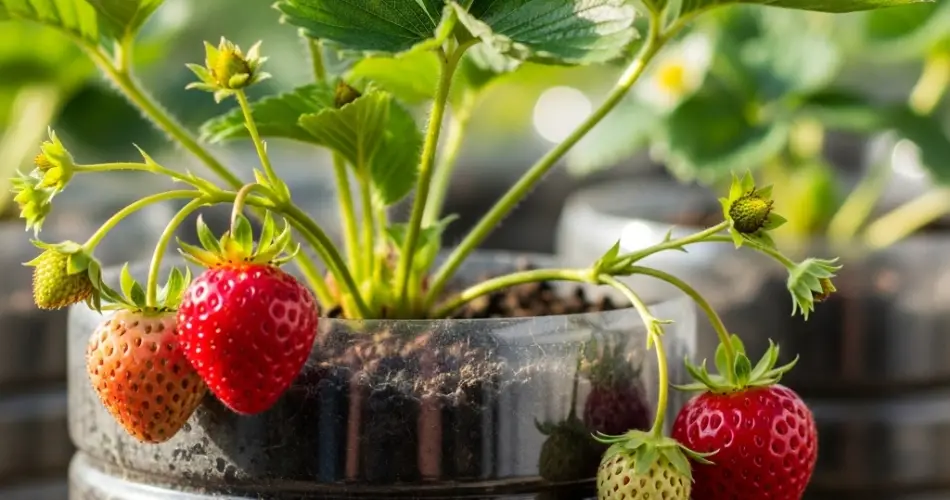
There’s nothing quite like biting into a sun-ripened strawberry you’ve grown yourself. The good news is, you don’t need a sprawling garden or even a backyard to enjoy sweet, juicy strawberries. With the right setup, strawberries can thrive in containers—making them perfect for balconies, patios, windowsills, or any sunny spot.
Strawberries are well-suited to container gardening because they’re compact, attractive, and incredibly productive when given the right care. Whether you’re a beginner or an experienced gardener, container-grown strawberries offer an easy, rewarding, and space-saving way to grow your own fruit at home.
Why Grow Strawberries in Containers?
Strawberries are naturally suited for container gardening. Their shallow roots and clumping growth habit make them ideal for pots, hanging baskets, and even vertical planters made from recycled materials.
Advantages of container-grown strawberries:
-
Great for small spaces like balconies and patios
-
Better control over soil quality and drainage
-
Reduced risk of pests and fungal diseases
-
Easier to move to catch more sunlight or avoid bad weather
-
Eye-catching and decorative when grown in hanging pots or tiered planters
Container gardening also helps prevent runners from spreading all over your garden—keeping your strawberry plants neat and easy to manage.
Choosing the Right Strawberry Variety
There are three main types of strawberries to consider for containers:
-
June-bearing – Produce one large harvest in early summer. Great flavor, large fruits.
-
Everbearing – Produce two or more harvests per season (spring and late summer).
-
Day-neutral – Produce continuously in the right conditions; ideal for containers.
Recommended varieties for containers:
-
Albion (day-neutral): consistent producer, very sweet
-
Quinault (everbearing): excellent for small pots
-
Seascape (day-neutral): heat tolerant and high-yielding
-
Ozark Beauty (everbearing): adaptable and flavorful
What You’ll Need
To start your container strawberry garden, gather the following:
-
Strawberry seedlings or crowns
-
Containers (at least 6–8 inches deep, with drainage holes)
-
Potting soil mixed with compost
-
Organic fertilizer
-
Mulch (optional)
-
Watering can or spray bottle
-
Sunny location (6–8 hours of sunlight daily)
You can use traditional pots, hanging baskets, fabric grow bags, window boxes, or even repurposed plastic bottles arranged vertically.
Preparing the Container
-
Select the Container
Use a container with good drainage—avoid waterlogged roots. Each plant needs at least 8–12 inches of space, so choose a container size accordingly. -
Add Potting Mix
Fill the container with a loose, well-draining mix made of potting soil and compost. Avoid heavy garden soil, which may compact in pots. -
Water the Soil
Moisten the soil lightly before planting. It should be damp but not soggy.
Planting Strawberries
-
Spacing
If planting multiple strawberries in one pot, space them about 8 inches apart. In hanging baskets, place 3–5 plants evenly spaced. -
Plant Depth
Set the plant so that the crown (where leaves meet the roots) is at soil level. Planting too deep can cause rot, and planting too shallow can dry out the roots. -
Firm and Water
Press the soil gently around each plant, then water thoroughly to help the roots settle in.
Sunlight and Location
Strawberries need at least 6–8 hours of direct sunlight each day. A south-facing balcony, patio, or windowsill is ideal. If growing indoors, consider using a grow light to supplement sunlight, especially during cloudy periods or in cooler seasons.
Watering and Feeding
-
Watering: Keep the soil evenly moist but never soggy. Check daily, especially in hot weather or small containers that dry out quickly.
-
Feeding: Apply a balanced, organic liquid fertilizer every 2–3 weeks during the growing season to support fruit production. Avoid overfeeding with nitrogen, which encourages leafy growth instead of fruit.
Maintenance Tips
-
Remove Runners: Pinch off runners (long stems shooting out from the base) to keep the plant’s energy focused on producing fruit. You can root runners in new pots to grow more plants if desired.
-
Mulch: Add straw or shredded leaves to the surface of the soil to retain moisture and protect ripening fruit from rot.
-
Pest Control: Watch for aphids, spider mites, or slugs. Use neem oil or insecticidal soap if needed. Keep foliage dry to prevent fungal issues.
Harvesting
Strawberries are ready to harvest when they are fully red, firm, and slightly glossy. Check daily during the fruiting period and pick fruits when ripe to encourage continued production.
Gently twist or snip the berries from the plant to avoid damaging the stem. Freshly harvested strawberries are best eaten right away, but they can be stored in the fridge for a few days if needed.
After the Season
Strawberries can live and produce for 2–3 years. After fruiting slows down, trim back dead or damaged leaves. If you’re in a cold climate, protect plants in winter by moving containers to a sheltered spot or covering them with mulch.
Repot plants every year or two to refresh the soil and divide crowded crowns to maintain healthy growth.
Final Thoughts
Growing sweet strawberries in containers is an easy and satisfying way to enjoy fresh fruit at home—no garden required. Whether in a hanging basket, recycled bottle planter, or simple pot on a balcony, strawberries adapt beautifully to container life with just a bit of sun, water, and care.
With minimal effort, you can enjoy juicy, homegrown strawberries season after season, right from your own small space.


