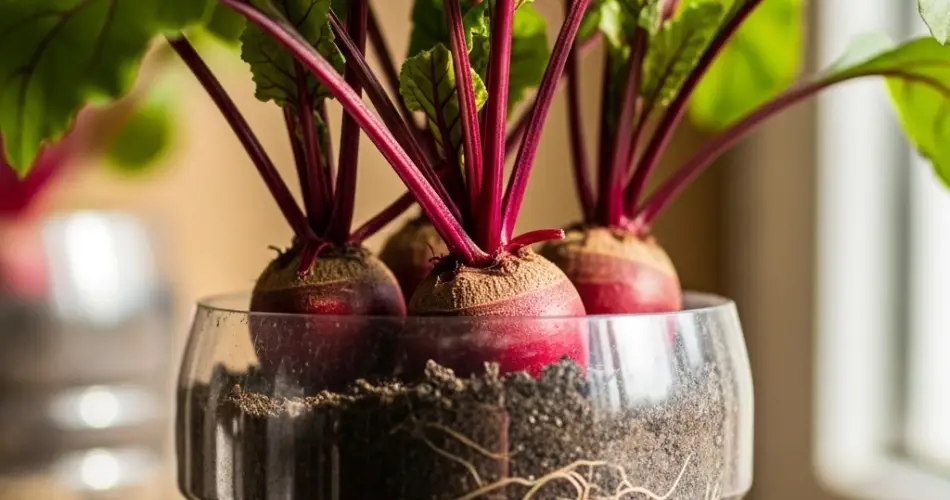
If you’ve ever dreamed of growing your own vegetables but thought you didn’t have the space, think again. Beetroots are among the easiest root crops to grow in containers, and plastic tubs and pots offer an excellent solution for gardeners without access to traditional garden beds. With minimal space and effort, you can enjoy fresh, homegrown beets right from your patio, balcony, or even a sunny doorstep.
Beetroot, known for its sweet, earthy flavor and vibrant color, is a nutritious vegetable that grows well in confined spaces as long as the soil is deep enough. Whether you’re new to gardening or looking to expand your container garden, plastic tubs and pots are an accessible and affordable way to produce your own beet harvest.
Why Choose Plastic Tubs and Pots?
Plastic tubs and large pots provide the space and depth beetroot needs to grow healthy, well-formed roots. Here’s why they work so well:
-
Inexpensive and widely available – Reuse old storage bins or buy basic containers cheaply.
-
Portable and lightweight – Easy to move around for better sunlight exposure.
-
Controlled environment – Minimize soil-borne pests and disease.
-
Efficient drainage – Simple to customize with drainage holes at the base.
-
Space-saving – Ideal for urban gardening, balconies, or limited yards.
The key requirement is depth. Beetroot roots can grow up to 4–6 inches deep, so containers should be at least 10–12 inches tall to allow enough space for root development.
Supplies You’ll Need
To grow beetroots successfully in tubs or pots, gather the following:
-
Plastic tubs or pots (minimum 10–12 inches deep)
-
Potting soil
-
Organic compost or aged manure
-
Perlite or coarse sand for drainage
-
Beetroot seeds (e.g., Detroit Dark Red, Chioggia, Golden)
-
Watering can or hose with a gentle setting
-
A sunny location (at least 6 hours of sunlight daily)
Preparing the Container
-
Clean the Tub or Pot
If you’re reusing an old container, wash it thoroughly to remove any residues. -
Add Drainage Holes
Use a drill or sharp tool to make several holes in the bottom of the container. This prevents waterlogging and root rot. -
Prepare the Soil
Mix the potting soil with compost and perlite for a light, airy growing medium. A good ratio is:-
60% potting mix
-
30% compost
-
10% perlite or sand
-
-
Fill the Container
Add the soil mix, filling the container up to 2 inches below the rim to leave space for watering.
Planting Beetroot Seeds
-
Sow Seeds Directly
Beetroot seeds don’t transplant well, so sow them directly into the container. Plant seeds about ½ inch deep and 2–3 inches apart. -
Water Gently
Moisten the soil carefully after planting. Keep the soil consistently moist but not soggy during germination. -
Thin the Seedlings
Beet seeds often produce multiple sprouts from one seed cluster. Once the seedlings are a few inches tall, thin them to one plant every 3–4 inches. Use the thinnings in salads—they’re edible and nutritious.
Sunlight and Watering
Beets require full sun for at least 6 hours a day. Place the containers in the sunniest location available. If you’re growing on a balcony or small patio, move containers as needed to follow the sunlight.
-
Watering: Keep the soil evenly moist throughout the growing season. Inconsistent watering can lead to cracked or woody roots.
-
Mulching: Add a light layer of mulch (like dried leaves or straw) on top of the soil to help retain moisture and regulate temperature.
Fertilizing for Root Growth
To encourage healthy root development:
-
Add compost to the soil before planting.
-
Apply a balanced organic fertilizer once or twice during the growing cycle.
-
Avoid over-fertilizing with nitrogen, which can result in lush leaves but poor root formation.
Harvesting Your Beetroots
Beetroots are typically ready for harvest 50 to 70 days after planting, depending on the variety and growing conditions. Look for roots about the size of a golf ball or larger with a firm texture.
-
To harvest, gently loosen the soil and pull up the beets by the base of the stem.
-
The greens are also edible and can be sautéed, added to soups, or used in salads.
For a continuous harvest, sow new seeds every few weeks during the growing season.
Reusing Your Container
After harvesting, remove leftover roots and mix in fresh compost before planting again. Beets grow well in cool temperatures, making them ideal for early spring and fall gardening. You can rotate with other crops like lettuce, carrots, or herbs to keep your container garden thriving year-round.
Final Thoughts
Plastic tubs and pots are a practical and eco-friendly way to grow fresh beetroots at home. With just a bit of care and a sunny spot, you can enjoy the taste and nutrition of homegrown produce no matter how small your space is. Whether you’re planting for the first time or adding to your container garden, beets are a smart, space-saving crop that delivers delicious rewards.


