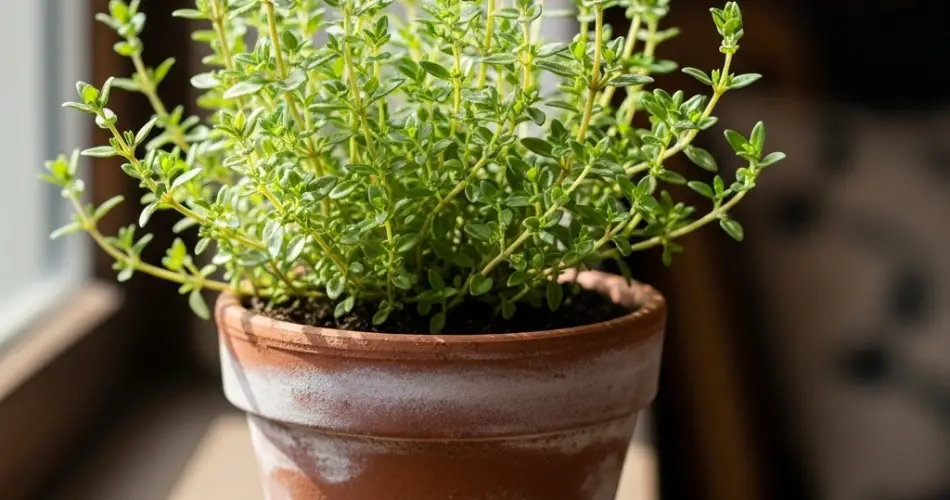
Thyme is a versatile herb that adds both flavor and fragrance to any kitchen or garden. Known for its earthy, slightly minty taste, thyme is a staple in Mediterranean and European cooking. It pairs beautifully with roasted meats, vegetables, soups, and bread. Beyond culinary uses, thyme is also valued for its ornamental qualities and resilience. Growing thyme in pots is a convenient and rewarding way to enjoy this herb, even if you don’t have an outdoor garden.
With its compact size and adaptability, thyme thrives in containers when given the right conditions. This guide covers everything you need to know to grow and maintain healthy potted thyme, from soil selection to harvesting.
Choosing the Right Pot
The first step in successful thyme care is selecting the proper container. Thyme has a shallow root system, so pots don’t need to be extremely deep, but they must provide adequate drainage. A pot about 8–10 inches deep and wide is ideal for a single plant.
Terracotta or clay pots work particularly well for thyme, as they allow the soil to dry more quickly, mimicking the plant’s natural growing conditions in rocky, arid regions. If you prefer lightweight containers like plastic or resin, just ensure there are plenty of drainage holes at the bottom.
Soil Preparation
Thyme thrives in light, sandy, and well-draining soil. In its native environment, it grows in rocky slopes and poor soils, so rich and heavy mixes are unnecessary and may even harm the plant by retaining too much water.
A good potting mix for thyme should include:
-
Two parts standard potting soil
-
One part coarse sand or perlite
-
One part compost for light nutrition
The slightly sandy mix prevents waterlogging while still providing nutrients. Aim for a soil pH between 6.0 and 8.0. Avoid compact soils that stay wet, as thyme roots are highly susceptible to rot.
Light and Temperature
Thyme is a sun-loving herb that requires at least 6 hours of direct sunlight daily to thrive. Outdoors, place the pot in the sunniest part of your balcony, patio, or windowsill. Indoors, a south-facing window is the best choice. If natural light is limited, a grow light can help provide the necessary exposure.
In terms of temperature, thyme is hardy and can tolerate a wide range. It grows best in mild conditions between 60–75°F (15–24°C). In colder climates, bring potted thyme indoors before frost, or protect it with covers if left outside.
Watering and Feeding
One of the most common mistakes with thyme is overwatering. This herb is naturally drought-tolerant and prefers slightly dry soil. Always allow the top inch of soil to dry out before watering again. Deep, infrequent watering encourages stronger root growth compared to frequent shallow watering.
Fertilizing thyme is rarely necessary, as too much nutrition leads to excessive leafy growth with weaker flavor. If desired, apply a diluted liquid fertilizer once a month during the growing season or add a small amount of compost at the start of spring. A lean soil will keep the plant’s flavor concentrated.
Pruning and Maintenance
Regular pruning is essential to keep thyme bushy and productive. Without trimming, the plant can become woody and less flavorful over time. Begin by pinching off the tips when the plant reaches 4–6 inches tall.
To encourage branching, cut stems just above a leaf node. This stimulates new shoots, resulting in a fuller plant. Removing spent flowers also helps redirect energy into leaf production rather than seed formation.
Every few years, thyme plants may become woody at the base. When this happens, take cuttings from the newer growth to propagate fresh plants, or divide the root ball into sections and replant them in fresh soil.
Harvesting Thyme
Harvesting thyme is simple and can be done throughout the growing season. Snip stems as needed, ideally in the morning after the dew has dried but before the midday sun reduces essential oil levels. For the most intense flavor, harvest right before flowering.
Cut no more than one-third of the plant at once to avoid stressing it. Frequent light harvesting encourages continued growth and ensures a steady supply of fresh thyme leaves.
To store thyme, use it fresh, refrigerate it for short-term use, or dry sprigs in a cool, airy space. Once dried, strip the leaves from the stems and store them in an airtight container.
Common Problems and Solutions
-
Yellowing leaves: Often a sign of overwatering or poor drainage. Reduce watering and check for root rot.
-
Leggy growth: Caused by insufficient sunlight. Move the plant to a sunnier location or use a grow light indoors.
-
Woody stems: Normal with age, but regular pruning and propagation can keep plants productive.
-
Pests: Thyme is generally pest-resistant, but spider mites or aphids may appear. A gentle spray of water or neem oil usually resolves the issue.
Final Thoughts
Potted thyme is an easy, low-maintenance herb that rewards you with flavor, fragrance, and greenery all year long. By choosing a well-draining container, providing plenty of sunlight, and watering sparingly, you can grow thyme successfully even in small spaces. Regular pruning and mindful harvesting keep the plant vigorous and ensure a continuous supply of aromatic leaves for your cooking.
Whether you grow it indoors on a sunny windowsill or outside on a balcony, thyme is one of the simplest herbs to care for in pots. With a little attention, you’ll enjoy fresh thyme for years to come, right at your fingertips.


