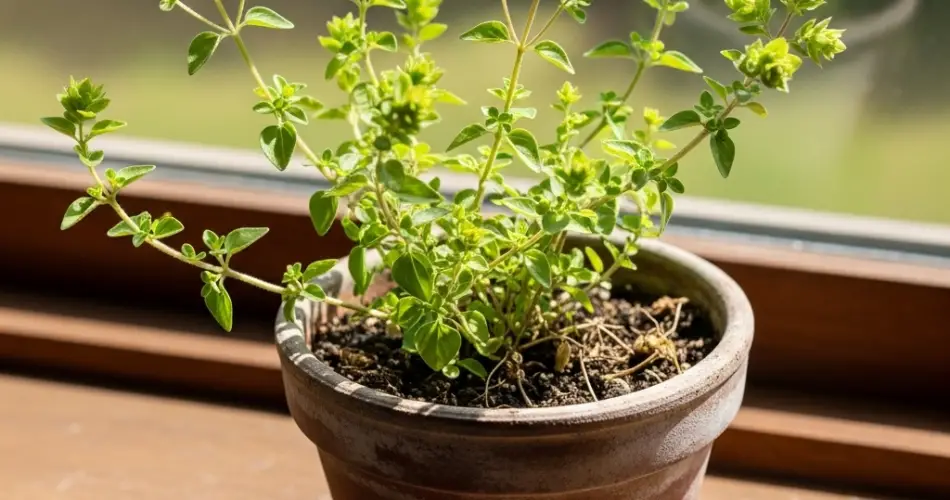
For city dwellers, gardening often means getting creative with limited space. While sprawling backyards may be out of reach, urban kitchens, balconies, and windowsills can still be transformed into thriving green corners with potted herbs. Among the best herbs to grow in containers is oregano—a hardy, fragrant plant that adapts beautifully to small spaces and offers endless culinary benefits. With the right care, a pot of oregano can provide a steady supply of fresh, flavorful leaves while also adding a touch of greenery to your kitchen.
Why Oregano is Ideal for Urban Kitchens
Oregano is a Mediterranean herb that thrives in warm, sunny conditions and does not require extensive maintenance. Its resilience makes it a perfect candidate for city gardeners who may not have much time or space for demanding plants. Even a single container of oregano can make a big impact, offering fresh leaves for pizza, pasta, grilled vegetables, soups, and homemade marinades.
Another advantage of growing oregano indoors or on balconies is convenience. Instead of running to the store for herbs, you can simply snip a few leaves whenever you need them. Plus, the aromatic scent of oregano contributes to a pleasant and refreshing atmosphere in small living spaces.
Selecting the Right Pot and Soil
The foundation of healthy potted oregano lies in the container and soil you choose. Oregano requires a pot that provides good drainage, so always select one with holes at the bottom. Containers made of terracotta are excellent because they allow excess moisture to evaporate, helping to prevent root rot. A pot that is at least 8–10 inches in diameter gives the plant enough space to spread and grow.
For soil, oregano prefers a light, well-draining mix. A blend of standard potting soil with sand, perlite, or small gravel works well. Avoid overly rich soils, as oregano does best in slightly lean conditions. When the soil is too fertile, the plant produces lots of leafy growth but with less concentrated flavor. A modest soil mix keeps the leaves aromatic and full of essential oils.
Light Requirements for Strong Growth
Oregano thrives in full sun, ideally 6–8 hours of direct light per day. For urban kitchens, placing the pot near a south-facing window usually provides sufficient light. If your kitchen or apartment doesn’t receive much natural sunlight, consider using a small grow light to supplement. Without enough light, oregano becomes leggy, weak, and sparse, reducing both its appearance and productivity.
On a sunny balcony or patio, oregano performs exceptionally well. Just ensure that the container is positioned where it gets maximum sun exposure throughout the day.
Watering Oregano the Right Way
Watering is one of the most common challenges when growing oregano indoors. This herb prefers drier conditions and does not tolerate soggy soil. Allow the top inch of soil to dry out before watering again. When you do water, give the soil a deep soak until water runs out of the drainage holes. Then let the pot dry slightly before the next watering.
Overwatering is a frequent issue in urban kitchens where airflow is limited. To avoid this, always check the soil with your finger before adding water. If it still feels damp, wait another day. Proper watering keeps the roots strong and prevents fungal problems.
Pruning for a Bushy Plant
To keep oregano lush and compact, regular pruning is essential. Begin trimming once the plant reaches about 4–6 inches in height. Snip stems just above a pair of leaves to encourage branching. Each cut stimulates the plant to grow new shoots, resulting in a fuller and bushier appearance.
Harvesting doubles as pruning. Cutting sprigs for cooking keeps the plant under control while promoting continuous growth. If flowers appear, pinch them off immediately. Flowering causes oregano to shift its energy from leaf production to seed-making, which can reduce flavor. By preventing flowering, you extend the productive life of your plant.
Fertilizing in Moderation
Oregano doesn’t need much fertilizer, especially in containers. Too much feeding results in leafy growth with diluted flavor. Instead, give it a light boost once a month during the growing season with a diluted liquid fertilizer or compost tea. The goal is to maintain steady growth while preserving the herb’s strong aroma and taste.
Long-Term Care for Urban Kitchens
Oregano is a perennial plant, meaning it can live for years with proper care. In colder climates, bring your potted oregano indoors before the frost. Place it in a sunny kitchen window and reduce watering during the winter months when growth naturally slows. In spring, trim back woody stems to encourage new shoots.
Over time, potted oregano may become too woody or lose vigor. When this happens, you can divide the plant or take cuttings to start a fresh one. This keeps your kitchen herb supply productive year after year.
Conclusion
Oregano is more than just a flavorful kitchen staple—it’s a resilient, space-friendly herb that thrives in pots, making it perfect for urban gardeners. By providing the right container, soil, sunlight, and a little regular pruning, you can enjoy a bushy, aromatic plant that continues to enhance your cooking for months and even years. Whether perched on a sunny windowsill, brightening a balcony, or thriving in a kitchen corner under a grow light, potted oregano brings the essence of the Mediterranean into urban homes.


