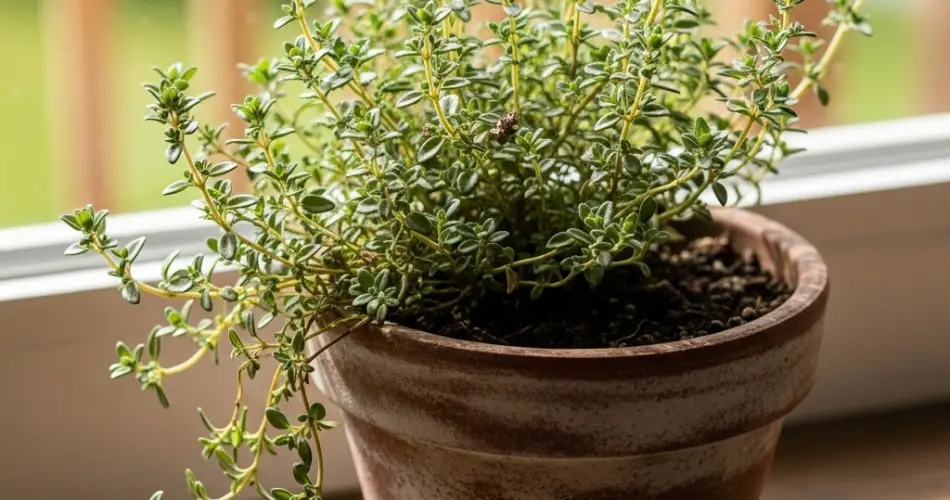
For many home gardeners, limited outdoor space doesn’t have to mean giving up the joy of fresh herbs. One of the most versatile and rewarding herbs to grow in pots is thyme. Known for its aromatic leaves and delicate flavor, thyme adapts beautifully to containers, making it a perfect choice for patios, balconies, and sunny windowsills. With its low-maintenance needs and wide culinary applications, this Mediterranean herb brings both flavor and charm into small urban gardens.
Why Thyme is Ideal for Container Gardening
Thyme thrives in conditions that mimic its native Mediterranean environment—warm sun, lean soil, and excellent drainage. These requirements make it especially well-suited for container gardening, where conditions can be carefully controlled. In addition, thyme is compact and slow-growing, so it does not outgrow its pot too quickly.
Another reason thyme is a great container plant is its ornamental value. Its trailing stems and tiny leaves create a lush, textured look that softens patios, brightens kitchen windows, and complements other potted herbs. Whether used fresh in recipes or dried for long-term storage, thyme remains one of the most practical and attractive herbs to grow at home.
Choosing the Right Pot and Soil
When planting thyme in containers, start with a pot that has good drainage. Terracotta pots are especially effective because they help wick away excess moisture, preventing waterlogged soil. A pot that is at least 8 inches in diameter is ideal, giving the roots enough room to spread without overwhelming the space.
Soil selection is just as important. Thyme prefers light, well-draining soil, so avoid heavy mixes that hold too much water. A blend of standard potting soil with sand or perlite creates the airy structure thyme thrives in. Unlike some herbs, thyme does not need nutrient-rich soil; in fact, slightly lean conditions help concentrate its essential oils, resulting in more flavorful leaves.
Light Requirements for Healthy Growth
As a sun-loving herb, thyme requires plenty of direct light. Aim for at least 6–8 hours of sunlight per day. If you are growing thyme indoors, place it on a bright south-facing windowsill where it will receive consistent light. If natural sunlight is limited, supplement with a grow light to prevent the plant from becoming spindly and weak.
On patios and balconies, thyme grows beautifully in full sun. Just be sure to rotate the pot every so often to ensure all sides of the plant get even exposure.
Watering and Moisture Control
Thyme is drought-tolerant, meaning it can survive with less water compared to many other herbs. However, that doesn’t mean it should be neglected. The key to watering thyme is balance: allow the soil to dry out slightly between waterings, but don’t let it become bone dry for too long.
A good rule of thumb is to water when the top inch of soil feels dry to the touch. When you do water, soak the soil thoroughly until water drains from the bottom, then let the pot dry before watering again. Overwatering is one of the most common causes of problems in container thyme, leading to root rot and fungal diseases.
Pruning and Harvesting
Regular pruning keeps thyme healthy, bushy, and productive. Begin trimming once the plant has reached at least 4–6 inches in height. Snip stems just above a pair of leaves to encourage branching. This practice prevents the plant from becoming woody and leggy while promoting continuous growth.
Harvesting thyme is simple—cut sprigs as needed, ideally in the morning when the oils are most concentrated. Use the fresh leaves right away in cooking or dry them by tying sprigs together and hanging them in a cool, airy spot. Dried thyme retains its flavor well and can be stored for months.
Fertilizing for Long-Term Growth
Thyme does not need heavy feeding. In fact, too much fertilizer can dilute its flavor and cause soft, weak growth. Instead, provide a light feeding every 4–6 weeks during the growing season using a diluted liquid fertilizer or compost tea. This keeps the plant vigorous without compromising its aromatic qualities.
Long-Term Care and Overwintering
As a perennial herb, thyme can live for several years if properly cared for. In colder climates, potted thyme should be brought indoors before the first frost. Place it in a sunny window and reduce watering during the winter months, as growth slows naturally.
Every couple of years, consider re-potting or dividing thyme if it becomes woody or crowded. Taking cuttings to start new plants is another excellent way to keep a steady supply of young, flavorful thyme in your kitchen garden.
Culinary and Decorative Benefits
Beyond its practical uses in the kitchen, thyme is a visually appealing plant that adds charm to patios and windowsills. Its tiny, fragrant leaves and trailing stems pair beautifully with other Mediterranean herbs like rosemary, oregano, and sage. Together, they create a mini herb garden that enhances both cooking and home décor.
In cooking, thyme is indispensable. Its earthy, slightly minty flavor elevates soups, stews, roasted vegetables, poultry, and marinades. With a pot of thyme close at hand, even everyday meals gain a gourmet touch.
Conclusion
Container-grown thyme is the perfect blend of beauty, practicality, and flavor. Easy to care for, drought-tolerant, and highly versatile in the kitchen, it thrives in small spaces while offering big rewards. Whether placed on a sunny windowsill, brightening a balcony, or enhancing a patio garden, thyme brings the essence of the Mediterranean right into your home. With just a little attention to light, soil, and pruning, you can enjoy a lush, aromatic supply of thyme year-round, no matter where you live.


