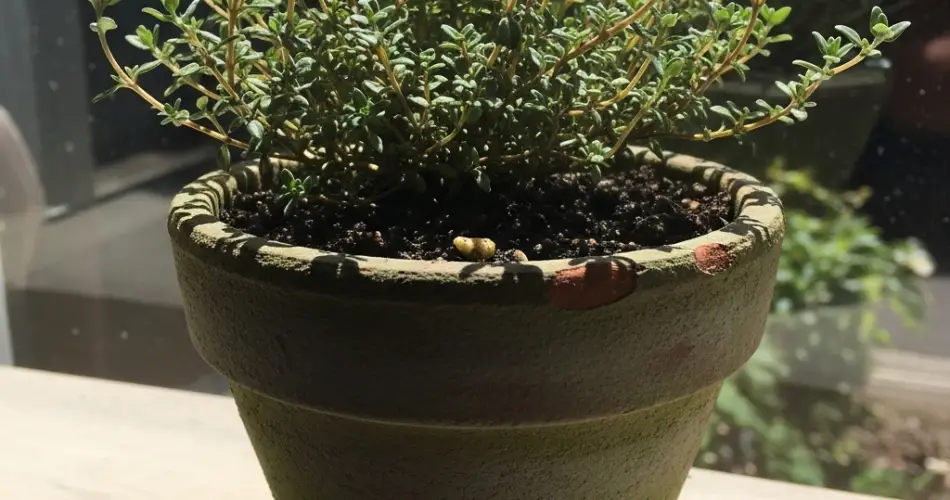
Herb gardening doesn’t always require a sprawling backyard or large plots of soil. With the right techniques, you can cultivate fresh, flavorful herbs in compact spaces—even on windowsills, balconies, or small patios. Among the best herbs for small-scale gardening is thyme. This aromatic plant not only brings a burst of flavor to meals but also adds a touch of greenery to your home. Growing thyme in pots makes it easy to control its environment, manage growth, and keep it thriving year-round.
If you’re looking for a practical way to grow herbs in limited spaces, potted thyme is an excellent choice. Here’s a complete guide to help you cultivate, maintain, and enjoy this resilient herb.
Why Thyme is Perfect for Potted Gardening
Thyme is a Mediterranean herb that naturally thrives in rocky, sun-drenched soils. This makes it particularly well-suited for container gardening, as it doesn’t demand large amounts of water or rich soil. Its compact, low-growing form means it won’t overwhelm your space, and its resilience makes it beginner-friendly.
Aside from its hardiness, thyme offers multiple benefits:
-
Culinary versatility: Adds flavor to soups, roasts, breads, and marinades.
-
Aromatic value: Releases a pleasant fragrance that can freshen up indoor or outdoor areas.
-
Decorative use: Works beautifully in container arrangements with other herbs or flowers.
Choosing the Right Pot and Soil
The foundation of healthy potted thyme lies in selecting the correct container and soil. Thyme has shallow roots, so it doesn’t require deep pots. A container around 8–10 inches deep and wide is sufficient for one plant.
Terracotta pots are ideal because they promote airflow and allow the soil to dry more quickly. Plastic or resin containers are also fine as long as they have multiple drainage holes to prevent root rot.
When it comes to soil, thyme thrives in well-draining conditions. A good potting mix for thyme includes:
-
Standard potting soil
-
Coarse sand or perlite for drainage
-
A light addition of compost for nutrients
Avoid overly rich or compact soils, which hold excess moisture and can weaken the plant. Thyme prefers slightly lean soil, which helps enhance its flavor and aroma.
Light and Placement
As a sun-loving herb, thyme needs plenty of light to grow vigorously. Aim for at least 6 hours of direct sunlight daily. Outdoors, place your pot in the brightest location available, such as a south-facing patio, balcony, or garden edge. Indoors, set it near a sunny window, preferably facing south or west.
If natural sunlight is limited, a grow light can supplement exposure and ensure the plant develops strong, flavorful leaves.
Watering and Feeding
One of the keys to thriving potted thyme is proper watering. This herb is drought-tolerant and does not appreciate soggy soil. Always let the top inch of soil dry out before watering again. A good practice is to water deeply but infrequently, which encourages strong root systems.
Fertilizer is not always necessary. Overfeeding can reduce thyme’s natural aroma and taste. However, if your plant looks weak or growth slows significantly, use a diluted liquid fertilizer once a month during the growing season. Alternatively, mix a small amount of compost into the soil at the beginning of spring.
Pruning and Maintenance
Regular pruning keeps potted thyme looking neat and productive. Without trimming, thyme can become woody, sparse, and less flavorful. Start pruning once the plant reaches 4–6 inches in height.
Cut stems just above a leaf node to encourage branching and fuller growth. Harvesting small amounts frequently is one of the best ways to maintain vigor. Removing flower buds as they appear also directs energy back into leaf production, which is what you want for cooking.
Over time, thyme plants can become woody at the base. To refresh them, take cuttings of healthy young stems and propagate new plants in fresh pots. Alternatively, divide the root ball into sections and repot them for renewed growth.
Harvesting Thyme
Harvest thyme regularly for both cooking and plant health. The best time to harvest is in the morning after the dew has evaporated but before the midday heat. This is when essential oils are at their peak, ensuring maximum flavor.
Snip sprigs with clean scissors, taking care not to remove more than one-third of the plant at once. Frequent light harvesting will encourage new growth and keep the plant thriving.
Thyme can be used fresh, stored in the refrigerator for short-term use, or dried for long-term storage. To dry, bundle sprigs and hang them upside down in a cool, well-ventilated place. Once dried, strip the leaves from the stems and store them in an airtight container.
Troubleshooting Common Issues
Even though thyme is a hardy herb, you may occasionally encounter issues:
-
Overwatering: Leads to yellow leaves or root rot. Reduce watering and check drainage.
-
Insufficient light: Results in leggy, weak growth. Move to a sunnier spot or use a grow light.
-
Woody stems: A natural process with age, but regular pruning or propagation helps maintain vigor.
-
Pests: Rare, but spider mites or aphids may appear. A quick spray of water or neem oil can resolve infestations.
Final Thoughts
Potted thyme is one of the easiest and most rewarding herbs to grow in compact spaces. With just a small pot, some well-draining soil, and a sunny spot, you can enjoy a continuous supply of this aromatic herb for cooking and decoration. Regular pruning and mindful watering will keep your thyme lush, fragrant, and productive.
Whether you live in an apartment with limited space or simply want a convenient kitchen garden, thyme adapts beautifully to compact herb gardening. With minimal effort, you’ll have fresh thyme at your fingertips, ready to bring both flavor and greenery into your daily life.


