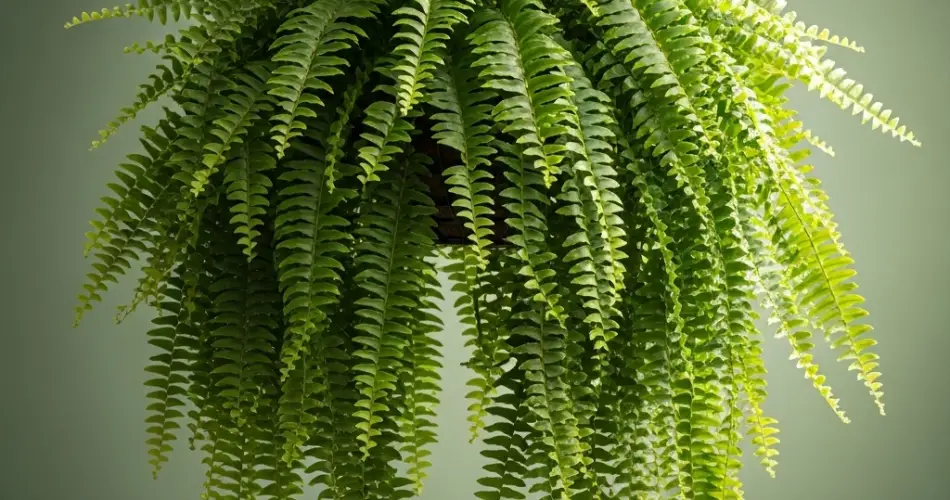
Boston ferns (Nephrolepis exaltata) are prized for their lush, arching fronds and ability to bring life and freshness into indoor spaces. Known for their air-purifying qualities and decorative charm, Boston ferns thrive best when placed in the right spot—one that mimics their natural, tropical environment. Choosing the best location in your home is essential to keeping your fern full, green, and healthy year-round.
Here’s everything you need to know about finding the ideal place in your home for your Boston fern.
Understanding the Boston Fern’s Natural Habitat
Boston ferns originate from warm, humid regions such as tropical rainforests. In nature, they grow under tree canopies where they receive dappled sunlight, consistent warmth, and high humidity. Indoors, replicating this environment is the key to helping the plant flourish.
To thrive, Boston ferns need:
-
Bright, indirect light
-
High humidity
-
Consistent moisture in both the air and soil
-
Protection from hot or cold drafts
By keeping these needs in mind, you can identify the best location in your home where the plant will not only survive but thrive.
Lighting Needs: Indirect and Gentle
Boston ferns love light, but not direct sun. Too much direct sunlight can burn the fronds, turning them brown and crispy, while too little light can result in sparse, yellowing leaves.
The best light for a Boston fern is bright, indirect light, such as what you find near an east- or north-facing window. A few feet back from a south- or west-facing window also works well if filtered through a sheer curtain.
Signs of too much light:
-
Brown or scorched frond tips
-
Dry, brittle leaves
Signs of too little light:
-
Pale or yellowing leaves
-
Stunted growth
-
Thinning fronds
If you’re unsure whether a location gets the right amount of light, try this trick: If the light casts a soft shadow during the day, it’s likely ideal for a Boston fern.
Best Locations by Room
Living Room
The living room is often one of the brightest areas in a home and can make a great spot for your Boston fern. Place the plant near a window with filtered sunlight or hang it in a bright corner with indirect exposure. Ensure the space isn’t too dry due to heating or cooling vents.
Bathroom
Bathrooms are often naturally humid and can be an ideal environment for Boston ferns—especially if the bathroom has a window that lets in indirect light. The steam from showers and baths provides the moisture this tropical plant craves.
Kitchen
Like bathrooms, kitchens can offer moderate humidity. If there’s a window with filtered light, this room can be a great place to display a Boston fern on a shelf or hanging basket.
Bedroom
If your bedroom gets soft morning light or has a bright window without direct sun, it can also be a cozy home for a Boston fern. Just make sure the room isn’t too dry due to air conditioning or heaters.
Avoid These Spots
-
Directly in front of south- or west-facing windows: The intense sun can damage the delicate fronds.
-
Next to heating vents, radiators, or air conditioners: These dry out the air and dehydrate the plant quickly.
-
Dark corners or windowless rooms: Without adequate light, Boston ferns will decline.
Managing Humidity
Boston ferns love humidity. If your home tends to be dry, especially during winter, consider these tips:
-
Use a humidifier nearby.
-
Place the plant on a humidity tray (a shallow tray filled with pebbles and water).
-
Mist the plant daily or several times a week with water.
-
Group it with other plants to create a naturally more humid microclimate.
Monitoring humidity levels (ideally 50% or more) can prevent crispy tips and browning fronds.
Temperature and Airflow Considerations
Keep your Boston fern in a spot where the temperature stays between 60–75°F (15–24°C). Avoid placing it in drafty areas or in front of windows that get chilly in winter. Boston ferns are sensitive to cold and sudden temperature changes.
Also, avoid strong air currents. While some air circulation is good, too much airflow from fans or vents can dry out the plant too quickly.
Final Thoughts
The best spot for your Boston fern is one where it receives bright, indirect light, high humidity, and stable temperatures away from drafts and dry air. Bathrooms with windows, kitchens with filtered light, or living rooms near a sheer-curtained window are all excellent choices.
With the right placement, your Boston fern will reward you with rich green foliage and a naturally fresh ambiance in your indoor space.


