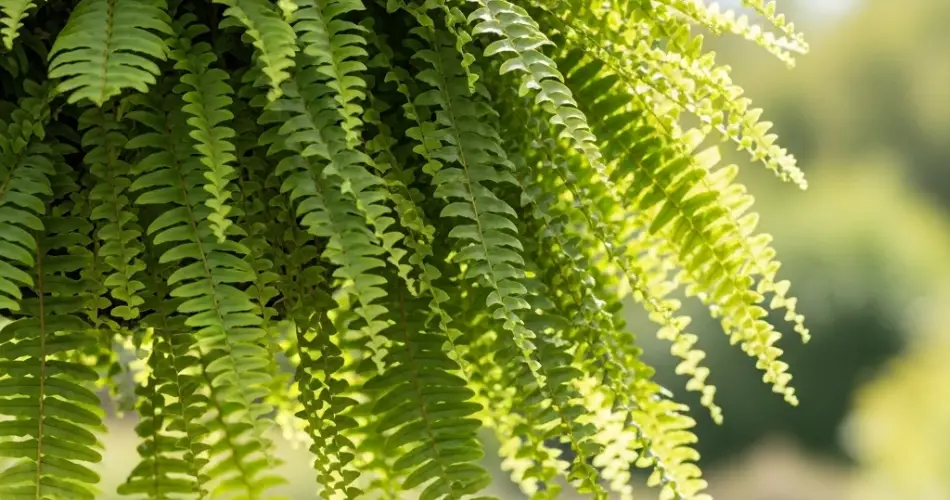
Boston ferns (Nephrolepis exaltata) are classic houseplants known for their lush, arching fronds and feathery appearance. They bring an instant touch of elegance and greenery to indoor spaces. However, Boston ferns are also famously finicky about one particular growing condition: humidity.
If your fern’s leaves are browning at the edges or dropping more frequently than usual, chances are the humidity level in your home isn’t meeting its needs. Understanding why humidity is crucial to Boston fern health—and how to provide the right environment—can make all the difference in keeping your plant vibrant and full.
Why Boston Ferns Need High Humidity
Boston ferns are native to tropical and subtropical regions, where the air is warm and consistently moist. In their natural habitat, these ferns grow under the canopy of larger plants and trees, soaking in the gentle humidity and filtered light of the forest floor. That humid environment is vital to their well-being.
When grown indoors, Boston ferns still expect a similar level of moisture in the air. If the environment is too dry—particularly in homes with air conditioning or central heating—your fern will show signs of stress.
Signs Your Boston Fern Needs More Humidity
A healthy Boston fern should look lush and green, with no browning tips or dropping fronds. If the humidity is too low, here’s what you might notice:
-
Brown or crispy leaf edges
-
Leaf drop, particularly in the inner part of the plant
-
Fronds turning pale or yellowish
-
Dry soil, even shortly after watering
These symptoms often mimic underwatering, but they’re actually a sign that the air is too dry, causing the leaves to lose moisture faster than the roots can replace it.
Ideal Humidity Levels for Boston Ferns
Boston ferns prefer humidity levels between 50% and 80%. Most indoor environments, however, average around 30–40%, which is far too dry for these tropical plants—especially in winter.
Maintaining a higher humidity level around your fern will help prevent leaf damage and encourage fuller, more robust growth.
How to Increase Humidity for Your Boston Fern
There are several easy ways to raise the humidity around your plant, even if your home’s overall air is dry.
1. Use a Humidifier
A small room humidifier is the most reliable way to provide consistent humidity. Place it near your fern and run it for several hours a day—especially in the winter or in dry climates.
2. Misting
Misting the fronds with water can provide temporary humidity, but it’s not a long-term solution. Misting is best done in the morning to allow the leaves to dry during the day and reduce the risk of fungal issues.
3. Pebble Tray
Fill a shallow tray with pebbles and water, then place the fern’s pot on top (ensuring the pot is above the water level, not sitting in it). As the water evaporates, it increases the humidity around the plant.
4. Group Your Plants
Plants naturally release moisture through a process called transpiration. Grouping several houseplants together can create a mini-humid microclimate, benefiting them all.
5. Relocate to a Naturally Humid Spot
Bathrooms and kitchens are typically more humid due to steam from showers or cooking. If there’s adequate light, these rooms can be ideal locations for your fern.
Other Tips for Boston Fern Success
While humidity is critical, it’s not the only care factor for a thriving fern. Here’s what else to keep in mind:
-
Light: Boston ferns like bright, indirect light. Avoid direct sunlight, which can scorch the leaves.
-
Watering: Keep the soil consistently moist, but not soggy. Let the top inch dry slightly before watering again. Always use a pot with drainage holes.
-
Temperature: Keep your fern in a room between 60°F and 75°F (15°C to 24°C). Avoid sudden temperature changes or cold drafts.
-
Feeding: Feed monthly during the growing season (spring and summer) with a diluted, balanced liquid fertilizer.
-
Pruning: Trim back dry or damaged fronds regularly to encourage new growth and maintain the plant’s shape.
Final Thoughts
Humidity isn’t just a preference for Boston ferns—it’s a necessity. Without it, even the best watering and lighting routine won’t keep your plant happy. By mimicking the fern’s natural tropical environment through humidifiers, pebble trays, or plant groupings, you can enjoy a lush, green, and thriving fern all year round.
If you’ve struggled with Boston ferns in the past, adjusting the humidity may be the game-changer you need. With consistent care and a moisture-rich atmosphere, your fern will reward you with graceful, vibrant foliage that enhances any room.


