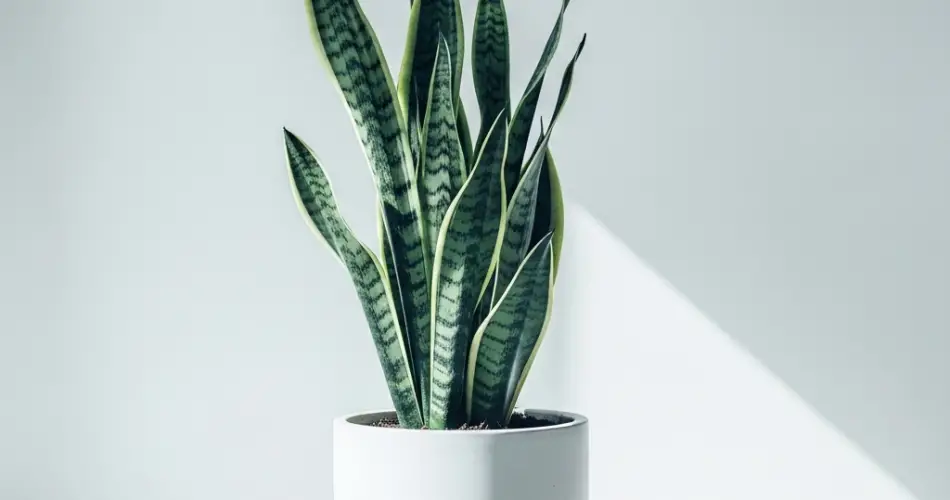
Snake plants (Sansevieria), also known as mother-in-law’s tongue, are famous for being nearly indestructible and low-maintenance. With their tall, upright leaves and distinctive green patterns, they make a stylish addition to any room—especially for beginner plant owners or those with busy schedules. One of the key reasons snake plants are so easy to care for is their ability to survive with very little water. But how little is too little? And how often should you water them to keep them looking their best?
Let’s break down exactly how to water your snake plant properly—how often, how much, and under what conditions.
Understanding the Snake Plant’s Water Needs
Snake plants are succulents, which means they store water in their thick, fleshy leaves. In their native habitat—dry, arid regions of Africa—they’ve evolved to thrive in drought-like conditions. Because of this, snake plants are highly susceptible to overwatering, which is the most common cause of problems like root rot.
So, when it comes to watering, less is more.
General Watering Frequency
As a rule of thumb, snake plants should be watered about every 2 to 4 weeks, depending on the season and environmental conditions.
-
Spring and Summer (Active Growth Season): Water every 2–3 weeks.
-
Fall and Winter (Dormant Period): Water once every 4–6 weeks, or even less frequently.
Always let the soil dry out completely between waterings. If the soil still feels damp, wait a few more days before checking again.
How to Know When Your Snake Plant Needs Water
Instead of following a rigid schedule, it’s better to assess the plant’s condition and the soil’s moisture. Here are a few simple methods:
1. Finger Test
Stick your finger about an inch or two into the soil. If it feels dry at that depth, it’s time to water. If it’s still moist, hold off.
2. Use a Moisture Meter
A moisture meter can give a more accurate reading of the soil’s moisture level. For snake plants, only water when the reading is in the “dry” range.
3. Check the Leaves
Wrinkling or curling leaves may indicate underwatering. Mushy or yellowing leaves, especially at the base, point to overwatering and possible root rot.
Best Way to Water a Snake Plant
When you do water your snake plant, water deeply but infrequently. Follow these steps:
-
Use room temperature water.
-
Water the soil directly, avoiding the center of the rosette where the leaves meet.
-
Continue watering until water drains out of the bottom of the pot.
-
Discard any excess water in the saucer to avoid soggy roots.
This method encourages the roots to grow deep and strong and helps prevent standing water in the pot.
Factors That Affect Watering Frequency
Watering isn’t a one-size-fits-all schedule. Several factors can influence how often you should water your snake plant:
1. Light Conditions
-
Plants in bright, indirect light may dry out more quickly and need more frequent watering.
-
In low light, water less often, as the soil stays moist longer.
2. Humidity
Snake plants prefer moderate to dry air. If you live in a humid climate or are using a humidifier, the soil may take longer to dry out, so adjust accordingly.
3. Temperature
Warm temperatures increase evaporation, meaning more frequent watering. Cooler temperatures, especially in winter, require less.
4. Soil Type
A well-draining soil mix is crucial for snake plants. Use a cactus or succulent mix or amend regular potting soil with sand, perlite, or pumice.
5. Pot Type and Size
-
Terracotta pots wick moisture away faster than plastic or ceramic.
-
Larger pots with more soil take longer to dry out.
Always choose pots with drainage holes to prevent water from pooling at the bottom.
Common Watering Mistakes
❌ Overwatering
The most common mistake. Too much water leads to soggy soil, root rot, and a dying plant.
❌ Watering on a fixed schedule
This ignores environmental changes and can lead to watering too often or too little.
❌ Letting water sit in the pot
Always remove excess water from trays or cache pots.
❌ Not adjusting for seasons
Snake plants need much less water in the winter than in the summer.
Final Thoughts
Snake plants are incredibly forgiving and thrive on a bit of neglect, especially when it comes to watering. By understanding their drought-tolerant nature and adapting your watering routine to your specific environment, you can keep your snake plant healthy, happy, and thriving for years.
Instead of asking “How often should I water?”—ask “Is the soil dry?” and “Does my plant look happy?” That mindfulness will serve you (and your snake plant) far better than a fixed calendar ever could.


