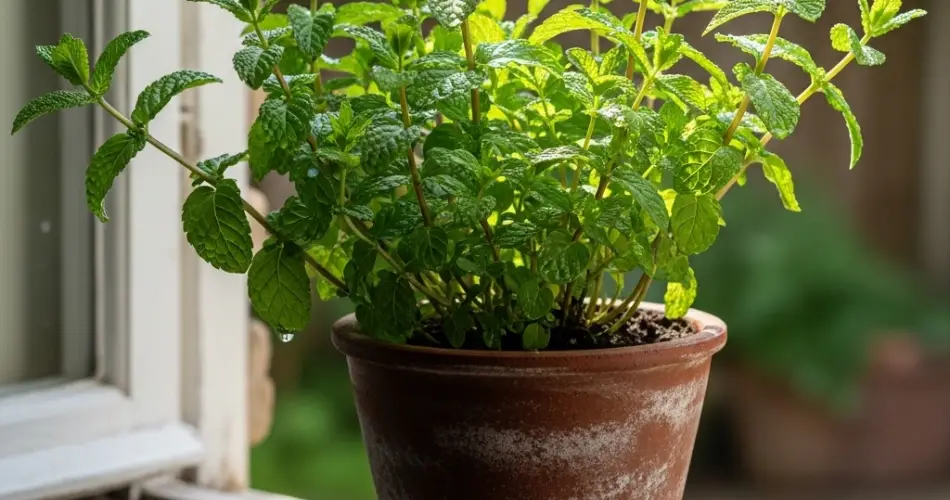
Mint is a versatile and fragrant herb beloved in kitchens and gardens worldwide. Known for its refreshing aroma and flavor, mint is widely used in teas, desserts, salads, and cocktails. Growing mint in pots is one of the easiest and most effective ways to keep this vigorous plant under control, whether indoors or outdoors. This article will guide you through the best potting methods to cultivate healthy, thriving mint plants while preventing their invasive nature from taking over your space.
Why Potting Mint Is a Smart Choice
Mint is famous for its rapid growth and spreading habit, which can become a challenge in open garden beds. Potting mint offers many benefits:
-
Containment: Prevents mint from spreading uncontrollably and invading other parts of your garden.
-
Mobility: Allows you to move plants indoors during colder months or relocate them for optimal sunlight.
-
Space Management: Ideal for small spaces, patios, balconies, and indoor herb gardens.
-
Ease of Care: Simplifies watering, feeding, and harvesting.
Selecting the Right Pot for Mint
Choosing the proper container is essential for mint’s health and vigor:
-
Size: Use a pot that is at least 8-12 inches in diameter and depth to provide ample space for root development.
-
Material: Terracotta pots are breathable and help keep soil moisture balanced, while plastic pots retain moisture longer.
-
Drainage: Ensure the pot has sufficient drainage holes to prevent waterlogging and root rot.
Best Soil for Mint in Containers
Mint thrives in rich, moist, and well-draining soil:
-
Potting Mix: Use a high-quality, all-purpose potting soil mixed with organic compost to boost fertility.
-
Soil Texture: Aim for a light, loamy texture that retains moisture without becoming soggy.
-
pH Level: Mint prefers slightly acidic to neutral soil, with a pH between 6.0 and 7.0.
-
Fertilizing: Feed your mint monthly with a balanced, water-soluble fertilizer during the growing season.
Potting Mint Indoors vs. Outdoors
Mint can be successfully grown both indoors and outdoors with the right approach:
-
Indoors: Place mint pots near a bright window with at least 4-6 hours of indirect sunlight. If natural light is insufficient, supplement with fluorescent or LED grow lights.
-
Outdoors: Position pots in a location that receives morning sun and afternoon shade, especially in hotter climates to prevent leaf scorch.
-
Temperature: Mint grows best between 55°F and 70°F (13°C to 21°C), tolerating cooler or warmer conditions with some care.
How to Pot Mint Correctly
Proper potting techniques will promote healthy growth and easy maintenance:
-
Preparation: Select a healthy mint cutting or seedling from a nursery or start from seeds.
-
Filling the Pot: Fill the container about two-thirds full with prepared potting mix.
-
Planting: Gently remove the plant from its original container, loosen roots, and plant it in the new pot. For seeds, sprinkle them evenly and cover lightly with soil.
-
Watering: Water thoroughly after planting to settle the soil around the roots.
-
Mulching: Apply a thin layer of organic mulch on top to help retain moisture.
Watering and Care for Potted Mint
Maintaining proper moisture is key for lush mint growth:
-
Watering: Keep the soil consistently moist but not waterlogged. Mint thrives with regular watering, especially during hot or dry spells.
-
Drainage: Always empty excess water from saucers to avoid root rot.
-
Humidity: Mint prefers moderate humidity levels; mist leaves occasionally if indoor air is dry.
Pruning and Harvesting Mint
Regular pruning encourages bushier growth and prevents legginess:
-
Pruning: Pinch off the tips of the stems regularly to promote branching.
-
Harvesting: Begin harvesting when the plant reaches 6-8 inches tall. Snip leaves or stems as needed, but avoid removing more than one-third of the plant at once.
-
Flowering: Remove flowers to maintain leaf production, as flowering may reduce leaf quality.
Troubleshooting Common Issues
-
Leggy Growth: Insufficient light can cause tall, spindly stems. Move plants to brighter locations or add grow lights.
-
Yellowing Leaves: Often due to overwatering or poor drainage. Adjust watering and ensure pots drain well.
-
Pests: Mint is generally pest-resistant but watch for aphids, spider mites, and whiteflies. Treat infestations with insecticidal soap or neem oil.
-
Root Bound: If roots circle inside the pot, it’s time to repot into a larger container.
Benefits of Growing Mint in Pots
-
Controlled Growth: Avoids mint spreading aggressively in garden beds.
-
Year-Round Access: Grow mint indoors during winter for fresh herbs anytime.
-
Aromatic Environment: Mint’s scent freshens indoor and outdoor spaces.
-
Culinary Versatility: Use fresh leaves for drinks, cooking, and garnishes.
Tips for Successful Mint Potting
-
Rotate Pots: Turn containers periodically for even sunlight exposure.
-
Repotting: Refresh soil and repot every 1-2 years to encourage healthy roots.
-
Companion Plants: Plant mint near tomatoes, cabbage, or carrots, but keep in pots to prevent invasive spread.
-
Cleaning: Remove dead or yellow leaves regularly to maintain plant health.
Conclusion
Potting mint is the best way to enjoy this fragrant herb without the risk of it overtaking your garden. Whether grown indoors on a sunny windowsill or outdoors on a patio, proper pot selection, well-draining soil, consistent watering, and regular pruning will keep your mint healthy and productive. With these potting tips, you can enjoy fresh mint leaves for teas, salads, and cocktails year-round, while keeping your gardening space neat and manageable.


