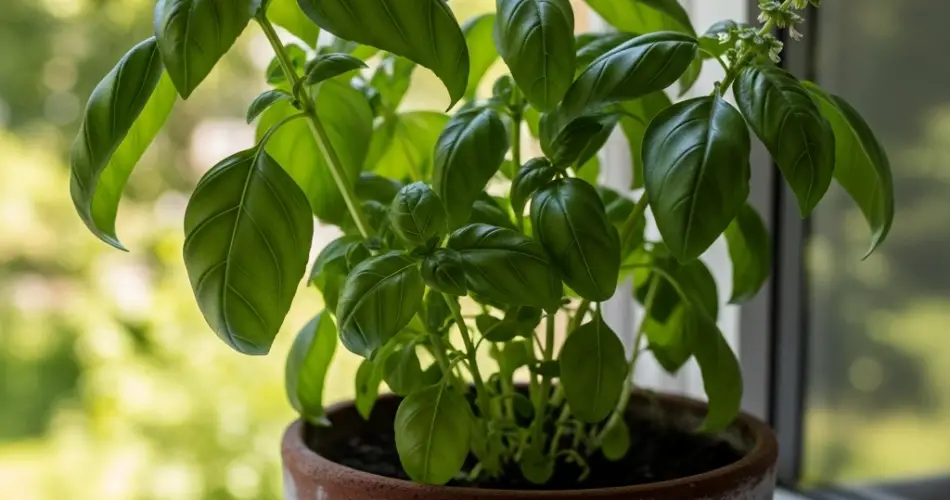
Basil is one of the most popular culinary herbs, celebrated for its sweet, aromatic leaves that enhance countless dishes—from Italian pasta sauces and pesto to Thai curries and fresh salads. For those with limited outdoor space or who live in apartments, growing basil in pots is an excellent way to enjoy fresh herbs year-round. Small-space gardening with potted basil lets you cultivate this flavorful herb right on your balcony, windowsill, or kitchen counter.
This article provides a comprehensive guide to successfully growing basil in pots, covering container selection, care requirements, and harvesting tips.
Why Grow Basil in Pots?
Growing basil in pots is ideal for small-space gardeners due to several benefits:
-
Space Efficiency: Perfect for balconies, patios, kitchen counters, or any compact area.
-
Portability: Potted basil can be moved to catch the best sunlight or to protect from harsh weather.
-
Freshness: Having basil nearby encourages frequent harvesting and use in cooking.
-
Control: Container growing allows better control over soil quality, watering, and pests.
-
Year-Round Growth: With indoor placement or protection, basil can thrive beyond the typical growing season.
Choosing the Right Container
Selecting the appropriate pot is key for healthy basil growth:
-
Size: Basil has a relatively shallow root system but grows bushy. Choose a container at least 8 to 12 inches deep and wide.
-
Material: Terracotta pots are excellent because they allow soil to breathe and help prevent overwatering. Plastic or ceramic pots with drainage holes also work well.
-
Drainage: Ensure the pot has multiple drainage holes to prevent waterlogging and root rot.
Soil Requirements
Basil thrives in fertile, well-draining soil:
-
Use a high-quality potting mix rich in organic matter.
-
Avoid heavy garden soil, which can compact and retain too much moisture.
-
Adding perlite or sand can improve drainage if the potting mix is too dense.
Selecting Basil Varieties for Pots
There are many basil varieties to suit different tastes and growing conditions:
-
Sweet Basil: The classic variety used in Italian cooking.
-
Genovese Basil: Known for large, tender leaves with strong flavor.
-
Thai Basil: Has a spicy, anise-like flavor popular in Southeast Asian dishes.
-
Purple Basil: Adds color and a mild clove-like flavor.
-
Compact Varieties: Smaller bush types like ‘Spicy Globe’ or ‘Greek Basil’ are ideal for small containers.
Choose a variety based on your culinary preferences and space.
Planting Basil
Basil can be grown from seeds, cuttings, or nursery plants:
-
Seeds: Sow seeds about 1/4 inch deep in moist soil. Germination usually takes 5 to 10 days. Thin seedlings once they reach 2 inches tall to about 6 to 12 inches apart.
-
Cuttings: Root basil cuttings in water or moist soil to create new plants.
-
Nursery Plants: Buying young plants is an easy way to start growing basil quickly.
Light Requirements
Basil needs plenty of sunlight to thrive:
-
Place basil pots in a location that receives at least 6 to 8 hours of direct sunlight daily.
-
South-facing windows or balconies are ideal.
-
If natural light is limited, supplement with grow lights for 12 to 14 hours per day.
Watering Basil
Proper watering is critical for basil health:
-
Keep the soil consistently moist but not waterlogged.
-
Water deeply when the top inch of soil feels dry.
-
Avoid wetting leaves to prevent fungal diseases.
-
Ensure excess water drains freely from the pot.
Fertilizing Basil
Basil benefits from regular feeding:
-
Use a balanced, water-soluble fertilizer every 4 weeks during active growth.
-
Avoid over-fertilizing, which can cause excessive leaf growth with reduced flavor.
Pruning and Harvesting Basil
Regular pruning encourages bushy growth and prolongs the harvest:
-
Pinch off the top sets of leaves regularly to promote branching.
-
Harvest leaves from the top, cutting just above a leaf node.
-
Remove flower buds as soon as they appear to keep the plant focused on leaf production.
-
Avoid harvesting more than one-third of the plant at a time.
Common Problems and Solutions
-
Leggy Growth: Usually caused by insufficient light; move the pot to a sunnier spot or add supplemental lighting.
-
Yellow Leaves: May indicate overwatering or nutrient deficiency; adjust watering and fertilize appropriately.
-
Pests: Watch for aphids, whiteflies, or spider mites; treat with insecticidal soap or neem oil if necessary.
-
Fungal Issues: Ensure good airflow, avoid overhead watering, and use well-draining soil to prevent mildew and root rot.
Benefits of Growing Basil in Pots
-
Freshness: Pick basil leaves just before use for maximum flavor.
-
Health: Basil is rich in antioxidants and vitamins.
-
Decor: Adds lush green beauty and a pleasant aroma to your living space.
-
Sustainability: Growing your own herbs reduces plastic packaging waste and frequent grocery trips.
Conclusion
Growing basil in pots is an accessible and rewarding way to enjoy fresh herbs even with limited space. By selecting the right container, providing ample light, ensuring well-draining soil, and practicing proper watering and pruning, you can cultivate thriving basil plants right at home.
Whether you’re whipping up pesto, seasoning pasta, or adding fresh leaves to salads, having potted basil close at hand elevates your cooking and brings vibrant greenery into your living space.


