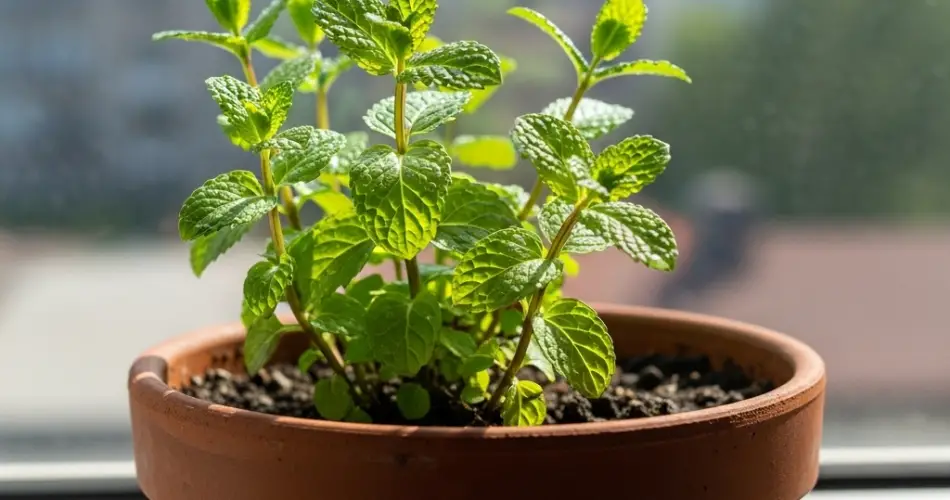
Mint is a versatile and fragrant herb cherished for its refreshing flavor and aroma. Widely used in teas, desserts, salads, and cocktails, mint adds a burst of coolness and zest to many dishes and beverages. Growing mint in pots is one of the easiest ways to cultivate this prolific herb, especially for beginners or those with limited garden space.
This article offers a straightforward guide on how to pot mint successfully, highlighting essential tips on container choice, care, and harvesting to ensure your mint thrives and remains fragrant.
Why Grow Mint in Pots?
Growing mint in pots is highly recommended because:
-
Invasive Growth: Mint spreads aggressively in the ground and can overtake gardens. Container growing controls its spread.
-
Space Efficiency: Perfect for patios, balconies, windowsills, or kitchen counters.
-
Ease of Care: Mint is hardy and adaptable, making it ideal for beginner gardeners.
-
Fresh Supply: Having mint close by means you can harvest fresh leaves whenever needed.
-
Aesthetic and Aromatic: Potted mint adds vibrant greenery and a pleasant scent to your space.
Choosing the Right Container
Selecting the proper container is vital for mint’s health and growth:
-
Size: Mint has vigorous roots and benefits from a pot at least 8 to 12 inches wide and deep to allow ample root space.
-
Material: Terracotta pots provide good breathability, but plastic or ceramic pots with drainage holes also work well.
-
Drainage: Multiple drainage holes are essential to prevent waterlogging, which can cause root rot.
Soil Requirements
Mint thrives in fertile, well-draining soil:
-
Use a high-quality potting mix enriched with organic matter.
-
Avoid heavy soils that retain too much moisture.
-
Mixing perlite or sand into the soil can improve drainage.
Planting Mint
You can start mint from seeds, cuttings, or nursery plants:
-
Seeds: Mint seeds are tiny and slow to germinate, so starting from cuttings or plants is often easier.
-
Cuttings: Root a stem cutting in water or moist soil for quick establishment.
-
Nursery Plants: Buying young mint plants from a garden center is a simple way to start growing immediately.
Light Requirements
Mint prefers partial to full sunlight:
-
Place the mint pot in a location that receives 4 to 6 hours of indirect or filtered sunlight daily.
-
Mint tolerates some shade, making it suitable for spots where direct sunlight is limited.
Watering and Humidity
Proper watering is key to thriving mint plants:
-
Keep the soil consistently moist but not soggy.
-
Water when the top inch of soil feels dry.
-
Avoid letting the soil dry out completely, as mint prefers consistent moisture.
-
Mint thrives in average indoor humidity but can benefit from occasional misting in dry environments.
Fertilizing Mint
Mint benefits from occasional feeding:
-
Use a balanced, water-soluble fertilizer diluted to half strength every 4 to 6 weeks during active growth.
-
Avoid excessive fertilizing, which can reduce essential oil concentration and weaken flavor.
Pruning and Harvesting Mint
Regular pruning keeps mint healthy and bushy:
-
Pinch or trim the tips regularly to encourage branching and prevent legginess.
-
Harvest leaves as needed by snipping stems just above a pair of leaves.
-
Remove any flowers promptly to direct energy toward leaf production.
-
Frequent harvesting promotes fresh growth and stronger aroma.
Common Problems and Solutions
-
Leggy or Sparse Growth: Often due to insufficient light; move mint to a brighter spot or supplement with grow lights.
-
Yellowing Leaves: May indicate overwatering or poor drainage; adjust watering and ensure pot drains well.
-
Pests: Watch for aphids or spider mites; treat with insecticidal soap or wipe leaves with a damp cloth.
-
Root Bound: Mint can become root-bound quickly; repot every 1 to 2 years into a larger container.
Benefits of Growing Mint in Pots
-
Freshness: Pick fresh leaves directly for cooking, tea, or garnish.
-
Health: Mint contains antioxidants and aids digestion.
-
Decor: Adds lush greenery and a refreshing scent to your home.
-
Control: Containment prevents mint from spreading uncontrollably.
-
Sustainability: Growing your own herbs reduces packaging waste and frequent store visits.
Conclusion
Potting mint is an excellent choice for beginner gardeners seeking a fragrant, easy-to-grow herb. By selecting the right container, providing adequate light and moisture, and harvesting regularly, your mint plants will flourish indoors or outdoors.
Whether adding a fresh touch to drinks, desserts, or savory dishes, having potted mint at hand elevates your culinary creations and adds a vibrant, aromatic presence to your home.


