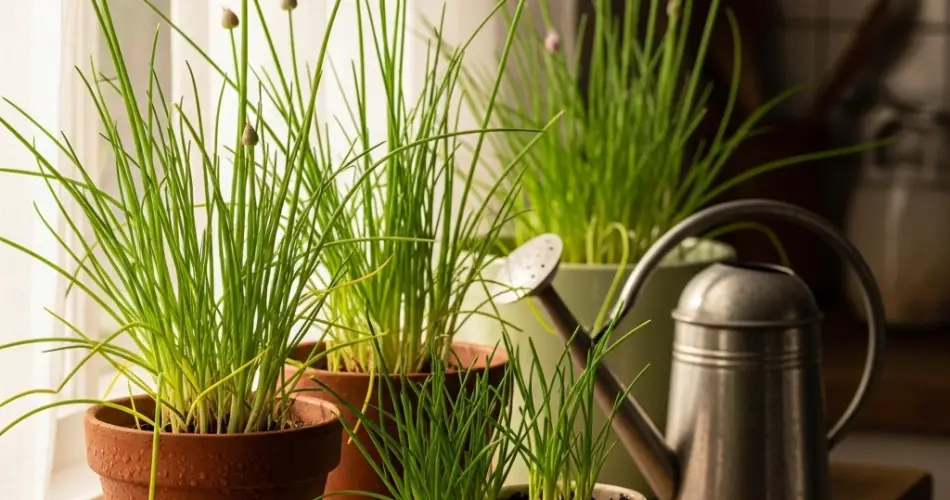
Chives are among the easiest and most rewarding herbs to grow indoors. With their delicate onion-like flavor and charming green shoots, they’re a wonderful addition to your kitchen garden. Fresh chives can elevate scrambled eggs, salads, dips, and countless dishes, making them a must-have for any home cook. Growing them indoors ensures a steady supply of fresh herbs year-round, even when outdoor conditions aren’t ideal.
One of the keys to successfully cultivating chives indoors is choosing the right pot. The container you select directly impacts root health, moisture control, and overall plant vigor. This guide will walk you through everything you need to know about selecting the best pots for growing healthy chives indoors.
Why Container Choice Matters for Chives
Unlike some herbs that tolerate a wide range of conditions, chives thrive best when grown in containers that support their specific needs. The right pot ensures:
-
Proper drainage: Preventing soggy soil and root rot.
-
Adequate root space: Allowing clump formation and expansion.
-
Air circulation: Encouraging healthier, stronger plants.
-
Moisture balance: Keeping the soil evenly moist without waterlogging.
A good pot makes the difference between struggling plants and lush, vibrant chives.
Ideal Pot Size for Indoor Chives
Chives grow in clumps, sending up multiple slender shoots from the base. Their root systems are not very deep, but they do spread outward as the clumps mature.
-
Minimum size: Choose a pot that is at least 6–8 inches deep.
-
Width: A diameter of 8–10 inches is ideal, especially if you plan to grow more than one clump in the same container.
-
Multiple plants: For larger harvests, use a rectangular planter or long window box to accommodate several clumps side by side.
Starting with a roomy container helps reduce the need for frequent repotting as the plant expands.
Best Pot Materials for Chives
The material of your pot can influence soil temperature, moisture, and airflow. Here are the most common options:
-
Terracotta or clay pots: Excellent for airflow and moisture regulation. These are great for preventing overly wet soil but do require more frequent watering since moisture evaporates quickly.
-
Plastic pots: Lightweight and easy to move around. They retain moisture longer, making them a good option if you tend to forget watering, but they must have proper drainage holes.
-
Ceramic pots: Often glazed and decorative, these add beauty to your indoor garden. Make sure they come with drainage holes or add a layer of gravel at the bottom to improve airflow.
-
Fabric grow bags: These breathable containers allow roots to access oxygen easily and prevent waterlogging. They are less common for indoor herbs but can be highly effective.
Choose a material based on your watering habits and decorative preferences.
Drainage: A Non-Negotiable Feature
No matter the pot type or size, drainage holes are essential for growing healthy chives. Without them, excess water will remain trapped, causing root rot and weakening the plant.
If your chosen pot doesn’t have drainage holes, you can:
-
Drill your own holes if the material allows.
-
Use a double-pot method by placing your plant in a smaller pot with drainage inside a decorative container.
-
Add a layer of gravel or pebbles at the bottom to reduce water buildup, though this is only a partial solution.
Always pair your pot with a saucer or tray to protect indoor surfaces from excess water.
Best Locations for Potted Indoor Chives
Once you’ve chosen the right pot, placement is key. Chives love plenty of light and moderate temperatures.
-
Light: Place your pot in a bright, south- or west-facing window where it gets at least 6 hours of sunlight daily.
-
Supplemental lighting: If natural light is limited, use full-spectrum grow lights to keep your plants thriving.
-
Airflow: Avoid areas with drafts, air conditioning vents, or heaters, as these can stress the plants.
Proper placement ensures the pot and soil dry out evenly between waterings while keeping the plants healthy and productive.
Maintenance and Repotting
Even with the perfect pot, chives need occasional care to keep thriving indoors.
-
Watering: Keep the soil consistently moist but not soggy. Check by touching the top inch of soil before watering.
-
Feeding: Fertilize every 4–6 weeks with a diluted liquid fertilizer to encourage strong growth.
-
Repotting: Every 2–3 years, divide and replant chive clumps into fresh soil and pots. This prevents overcrowding and rejuvenates the plants.
A well-maintained pot ensures longevity and healthy regrowth season after season.
Final Thoughts
Choosing the right pot for your indoor chives is the first step toward a thriving, productive herb garden. A pot that offers enough space, ensures proper drainage, and suits your watering habits will give your chives the best possible growing conditions. Pair it with bright light, consistent care, and occasional repotting, and you’ll enjoy fresh, flavorful chives right in your kitchen all year long.
With just a little attention to container choice and care, your indoor chive plants will stay lush, fragrant, and ready to enhance your cooking anytime you need them.


