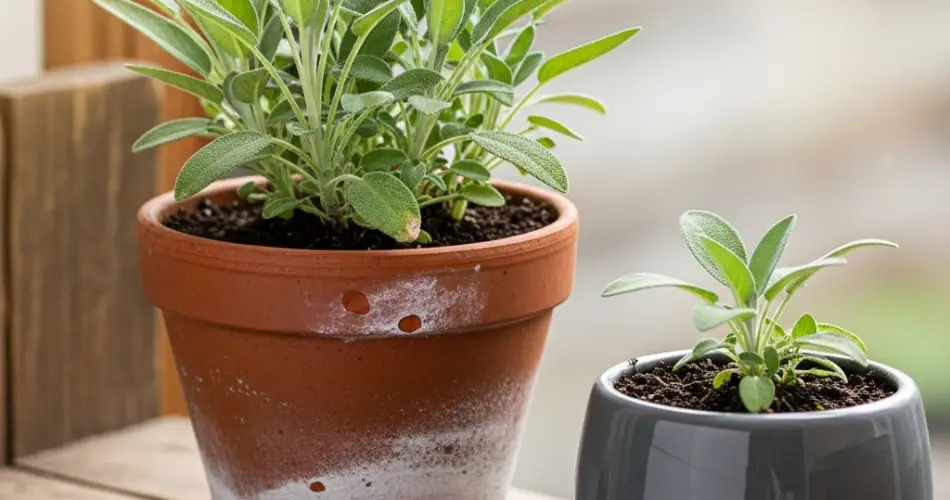
Sage, with its velvety green leaves and distinctive fragrance, has long been a staple in kitchens and gardens. Used to flavor meats, soups, and sauces, it also holds a reputation in traditional medicine and brings ornamental value to any space. For urban gardeners or anyone with limited outdoor areas, sage adapts beautifully to container life. Growing it in pots not only makes it easy to manage but also allows you to enjoy fresh sage all year long.
This guide explains how to care for sage in pots throughout every season, ensuring your plant stays healthy, productive, and ready to flavor your meals whenever needed.
Choosing the Right Container
The first step in successful potted sage care is selecting the proper container. While sage can survive in relatively small pots, giving it enough room for root growth is key. An 8–10 inch pot is usually sufficient for one plant.
-
Material: Terracotta is a popular choice because it allows soil to breathe and prevents excess moisture. Plastic pots, however, are lighter and easier to move, making them ideal for balconies.
-
Drainage: Ensure the pot has holes at the base. Sage dislikes sitting in water, and poor drainage often leads to root rot.
If you plan to keep multiple herbs, group several small pots together or use a divided planter that allows each herb to have its own growing space.
Soil Needs
Sage thrives in conditions similar to its Mediterranean origins—light, airy, and well-draining soil. Standard garden soil is often too heavy for containers, so prepare a mix tailored to potted herbs:
-
2 parts high-quality potting soil
-
1 part coarse sand or perlite
-
1 part compost or organic matter
This mixture ensures good drainage while supplying gentle nutrition for steady growth.
Sunlight and Location
Sage loves sunshine. Place your potted sage in a location that receives 6–8 hours of direct sunlight daily. Outdoors, a sunny balcony, patio, or windowsill works perfectly. If growing indoors, position the pot near a south-facing window.
During shorter winter days or in homes without enough natural light, consider using a small grow light to keep your sage strong and green.
Watering Through the Seasons
Sage is drought-tolerant and much less demanding than many leafy herbs. However, watering needs vary depending on the season:
-
Spring and Summer: Water when the top inch of soil feels dry. Deep watering encourages roots to grow strong but avoid soaking the soil.
-
Fall and Winter: Growth slows down, so reduce watering frequency. Overwatering in cold months is a common mistake that weakens the plant.
Always check the soil before watering. A little dryness is far less harmful than soggy roots.
Feeding and Fertilizing
Sage is not a heavy feeder. Adding compost to the potting mix at planting usually provides enough nutrition for months. However, to keep your plant thriving year-round, you can feed with a diluted liquid fertilizer every 4–6 weeks during active growth seasons. In fall and winter, stop fertilizing since the plant naturally slows down.
Pruning and Harvesting
Regular pruning helps sage remain bushy and productive. Pinch off the tips of young growth to encourage branching. Remove any yellow or weak leaves as they appear.
For harvesting:
-
Wait until the plant is about 6–8 inches tall.
-
Snip off individual leaves or small sprigs as needed.
-
Avoid cutting more than one-third of the plant at once, as this can stress it.
To preserve extra sage, dry sprigs by hanging them upside down in a dark, airy space. Once crisp, store the leaves in airtight jars away from direct light.
Protecting Sage Year-Round
Growing sage in pots makes it easier to adapt care through seasonal changes:
-
Spring: Refresh the top layer of soil and prune away any old or woody stems.
-
Summer: Monitor watering closely during hot spells to prevent the soil from drying out too quickly.
-
Fall: Reduce fertilizer use and prepare to bring the plant indoors if your climate gets frosty.
-
Winter: Keep sage in a cool, bright location indoors. Water sparingly and avoid drafts from heaters or cold windows.
This flexibility ensures your sage continues to thrive no matter the weather outside.
Pests and Problems
Sage is naturally resistant to many pests, but small issues may arise. Indoors, watch for spider mites or aphids. Wiping leaves with a damp cloth or using a mild soap spray usually controls infestations. Outdoors, ensure good airflow to prevent powdery mildew, which sometimes affects dense or shaded plants.
If your sage becomes woody after a few years, it may be time to replace it with a fresh cutting or new seedling. Regular pruning extends its life, but all sage plants eventually lose vigor over time.
Conclusion
Caring for sage in pots year-round is both simple and rewarding. With the right soil, sunlight, and watering routine, this fragrant herb can thrive on a balcony, windowsill, or kitchen counter. Its resilience makes it a favorite for beginner and experienced gardeners alike. By adjusting your care season by season and pruning regularly, you’ll always have access to fresh, aromatic leaves that elevate your cooking and brighten your living space.
No matter how small your space, a healthy pot of sage ensures that you can enjoy the beauty, fragrance, and flavor of this classic herb every day of the year.


