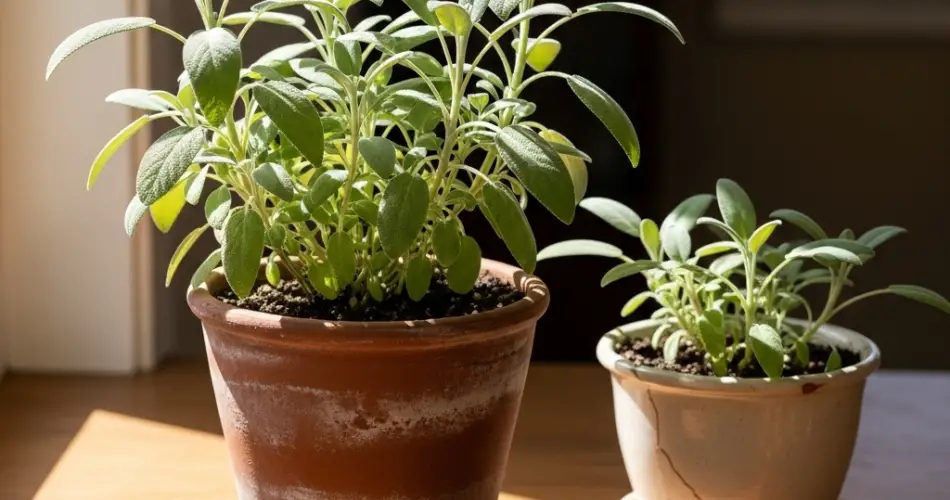
Sage is a fragrant, flavorful herb treasured for its culinary and medicinal uses. From seasoning roasted meats and vegetables to being infused in teas, sage brings a unique, earthy taste that many home cooks love. While it’s often grown outdoors in gardens, sage also thrives indoors when cultivated in containers. For those with limited space or who want fresh herbs year-round, growing sage indoors is a practical and rewarding option.
This guide will walk you through everything you need to know to successfully grow sage in containers inside your home.
Why Grow Sage Indoors?
Growing sage indoors has several advantages:
-
Fresh supply all year: You’ll have access to fresh sage leaves, even in the cold months when outdoor growth slows down.
-
Space-saving: Perfect for those living in apartments, small homes, or without access to a garden.
-
Control over conditions: Indoor growing allows you to manage light, water, and temperature more effectively.
-
Decorative benefits: With its silvery-green leaves, sage adds charm and freshness to your indoor space.
With the right setup, sage can thrive indoors just as well as outdoors.
Choosing the Right Container
Sage has a moderately deep root system, so the container you select makes a big difference.
-
Size: Choose a container that is at least 10–12 inches in diameter and depth to give roots enough room to grow.
-
Material: Clay or terracotta pots are ideal because they promote airflow and reduce excess moisture. Plastic containers are lighter and easier to move but may hold more water.
-
Drainage: Ensure your container has drainage holes to prevent waterlogging, which sage is particularly sensitive to.
For extra protection, place a saucer under the pot to catch excess water, but avoid letting the plant sit in pooled water.
Best Soil Mix for Indoor Sage
Sage thrives in well-draining soil that mimics its natural Mediterranean environment. Indoor containers should replicate these conditions.
-
Base mix: Use a high-quality potting soil.
-
Drainage boosters: Add sand, perlite, or coarse grit to improve aeration and prevent soggy roots.
-
Organic matter: Mix in a small amount of compost or aged manure to provide nutrients without overwhelming the plant.
Avoid dense, heavy soils that retain too much water, as they can cause root rot and weaken the plant.
Light Requirements for Indoor Growth
Sage is a sun-loving herb and needs plenty of light to thrive indoors.
-
Natural light: Place your sage container in a south- or west-facing window where it can receive 6–8 hours of direct sunlight daily.
-
Artificial light: If your home doesn’t get enough natural light, consider using full-spectrum grow lights. Keep the light 6–12 inches above the plant and provide 12–14 hours of light per day.
Ample light is crucial for producing strong, flavorful leaves. Plants grown in low light tend to become leggy and less aromatic.
Planting Sage Indoors
You can start sage from seeds, cuttings, or small nursery plants.
-
Seeds: Sow them ¼ inch deep in moist soil. Keep the soil lightly moist until germination, which may take 2–3 weeks.
-
Cuttings: Take 4–6 inch cuttings from an established sage plant, remove the lower leaves, and root them in water or directly in soil.
-
Transplants: Repotting a nursery-grown sage plant is the quickest way to begin harvesting sooner.
After planting, place the container in its permanent location with proper light exposure.
Watering and Feeding
Sage prefers slightly dry conditions, so careful watering is essential indoors.
-
Watering schedule: Allow the top inch of soil to dry out before watering again. Overwatering can lead to root rot and reduced flavor in the leaves.
-
Feeding: Fertilize lightly with a diluted organic fertilizer every 4–6 weeks during active growth. Avoid overfeeding, which encourages leafy growth but weakens the flavor.
Consistency is key—too much or too little water can stress the plant.
Pruning and Harvesting Indoors
Regular pruning helps maintain a healthy, compact indoor sage plant.
-
Pruning: Pinch back stems to encourage bushier growth and prevent the plant from becoming too woody.
-
Harvesting: Begin harvesting once the plant is well-established. Pick leaves from the outside first, leaving enough foliage to support continued growth.
-
Using sage: Fresh leaves can be used immediately, while extras can be dried by hanging small bundles upside down or stored in airtight jars.
Regular harvesting not only provides a steady supply of herbs but also promotes stronger growth.
Indoor Care Through the Seasons
Though sage is perennial outdoors, it requires some adjustments indoors:
-
Winter: Reduce watering as growth slows. Ensure adequate light, possibly supplementing with grow lights.
-
Summer: Watch for increased water needs if the air indoors is dry. Rotate the pot occasionally so the plant receives even sunlight.
-
Repotting: Refresh the soil every 1–2 years and move the plant to a larger container if roots become crowded.
By adjusting care with the seasons, your sage plant will stay productive year-round.
Final Thoughts
Growing sage indoors in containers is both practical and rewarding. With the right pot, well-draining soil, sufficient light, and careful watering, you can cultivate a thriving sage plant that provides aromatic, flavorful leaves for your kitchen. Pruning and regular harvesting will ensure the plant remains healthy and productive while bringing a touch of greenery and fragrance to your indoor space.
Whether you’re seasoning a favorite dish, brewing an herbal tea, or simply enjoying its beauty, an indoor sage plant offers year-round benefits right at your fingertips.


