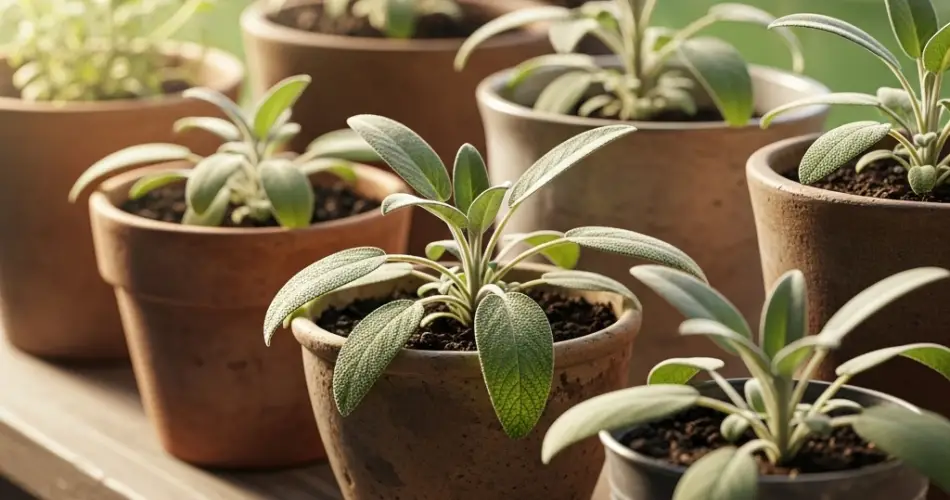
Sage, with its distinctive aroma and soft silvery-green leaves, is a beloved herb in kitchens and gardens around the world. Known for its role in seasoning roasts, soups, and herbal teas, sage is also valued for its medicinal qualities and ornamental charm. For urban gardeners with limited space, growing sage in small pots is a practical and rewarding way to enjoy this versatile herb. Whether you live in an apartment, have only a balcony, or want to brighten your kitchen with fresh greenery, sage adapts beautifully to container life.
This guide will walk you through everything you need to know about successfully growing sage in small pots, from choosing containers to harvesting your first flavorful leaves.
Why Grow Sage in Small Pots?
Urban gardening often comes with space limitations, but that doesn’t mean you have to miss out on fresh herbs. Sage is an excellent candidate for container growth because:
-
Compact size: Sage stays relatively small when grown in pots, keeping it neat and easy to manage.
-
Low maintenance: It thrives on minimal care, requiring less water than many other herbs.
-
Mobility: Pots can be moved to catch more sunlight or protected from bad weather.
-
Year-round access: Indoors, sage can provide fresh leaves even through the colder months.
For city dwellers who want both culinary and ornamental value in their plants, sage is a perfect choice.
Choosing the Right Pot
The success of your sage plant starts with selecting the right container.
-
Size: Even though sage can be grown in small pots, avoid going too tiny. A pot that is at least 8–10 inches wide and deep will give roots room to spread without overcrowding.
-
Material: Terracotta pots are a great option because they allow the soil to breathe and excess water to evaporate. However, lightweight plastic pots work well if portability is a priority.
-
Drainage: Good drainage is crucial. Make sure the pot has holes at the bottom, and avoid letting water pool beneath it.
If you’d like to create an herb corner, consider using several small pots together—this allows you to grow sage alongside companions like thyme, rosemary, or oregano.
The Best Soil for Sage
Sage thrives in soil that is well-draining and slightly sandy. Regular garden soil can be too heavy for pots, so it’s better to prepare a mix that mimics the plant’s Mediterranean origins. A good container blend includes:
-
2 parts high-quality potting mix
-
1 part coarse sand or perlite
-
1 part compost for gentle nutrients
This combination ensures healthy root growth while preventing excess moisture from accumulating.
Light and Location
Sage loves sunshine. Ideally, your pot should be placed where the plant can receive 6–8 hours of direct sunlight each day. For apartments, a south-facing balcony or windowsill is perfect. Indoors, if natural light is limited, you can use a grow light to supplement.
Good airflow is also important, especially if you’re keeping sage inside. Place the pot near an open window when possible, as stagnant air can encourage mildew.
Watering and Feeding
Sage prefers drier conditions compared to many leafy herbs. Follow these watering guidelines:
-
Check the top inch of soil before watering. If it feels dry, give the plant a drink.
-
Water deeply but allow the soil to dry out between waterings.
-
Reduce watering frequency during the cooler months when the plant’s growth slows.
Overwatering is the most common mistake with sage in small pots. Always remember that slightly dry soil is better than soggy roots.
When it comes to feeding, sage does not require heavy fertilization. Adding compost to the soil mix at planting provides a good foundation. If needed, a diluted liquid fertilizer once a month during the growing season will keep your sage vibrant.
Planting and Propagation
Sage can be grown from seeds, cuttings, or young nursery plants.
-
Seeds: Start seeds indoors and transplant seedlings once they are sturdy enough. Germination takes patience, as sage seeds can be slow to sprout.
-
Cuttings: For quicker results, take a 4–6 inch cutting from a mature plant, remove the lower leaves, and place it in moist soil or water until roots form.
-
Transplants: The easiest method for beginners is to buy a small sage plant and repot it into your chosen container.
Pruning and Harvesting
Regular pruning keeps sage healthy and prevents it from becoming woody. Pinch off growing tips to encourage bushier growth and remove any yellow or weak leaves.
Once your sage plant is about 6–8 inches tall, you can begin harvesting. Snip individual leaves or small sprigs as needed, being careful not to remove more than a third of the plant at once. This allows the plant to keep producing steadily.
Harvested sage can be used fresh in cooking, dried for later, or even frozen. To dry, hang sprigs in a well-ventilated, shaded area until crisp. Store dried leaves in airtight jars away from direct sunlight.
Keeping Sage Healthy
In small pots, sage is generally resistant to pests, but a few problems can occur:
-
Powdery mildew: Avoid overhead watering and ensure good airflow.
-
Aphids or spider mites: Wipe leaves with a damp cloth or spray with a mild soapy solution.
Refreshing the top layer of soil each year helps keep plants vigorous. After 2–3 years, sage tends to become woody, so replacing the plant with new cuttings ensures continuous fresh harvests.
Conclusion
Sage is a resilient, aromatic, and rewarding herb that adapts wonderfully to small pots, making it ideal for urban gardeners. With the right pot, soil, and care, you can enjoy fresh sage leaves at your fingertips, no matter the size of your living space. From balconies and windowsills to indoor kitchens, sage proves that even in the smallest urban settings, a thriving herb garden is within reach.


