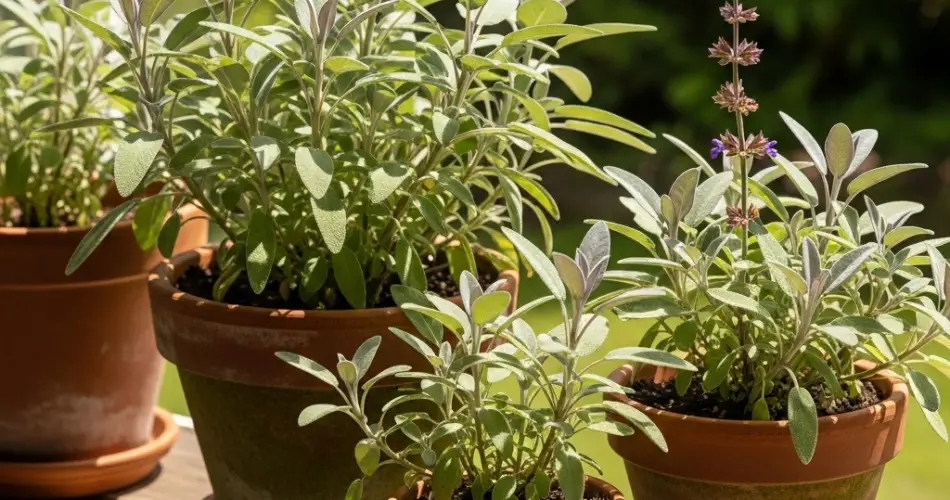
Sage is a resilient herb with a rich aroma and earthy flavor that enhances countless dishes. Known for its soft gray-green leaves and occasional purple blooms, sage is a staple in Mediterranean cuisine and herbal remedies. For gardeners with limited space, container gardening is an excellent way to cultivate this versatile herb. By choosing the right pots, soil, and care methods, you can grow sage that is not only healthy but also rich in flavor.
This guide outlines the best container practices to help you enjoy strong and flavorful sage throughout the year.
Why Grow Sage in Containers?
Container gardening provides flexibility and control, making it an ideal approach for herbs like sage. Here are some key benefits:
-
Space efficiency: Perfect for balconies, patios, or windowsills.
-
Mobility: Pots can be moved to capture maximum sunlight or brought indoors during cold months.
-
Soil management: You can create the ideal growing medium tailored to sage’s needs.
-
Pest and disease control: Containers make it easier to spot problems early and manage them before they spread.
Whether you’re an urban gardener or someone who enjoys fresh herbs close at hand, container-grown sage fits seamlessly into small-space living.
Choosing the Right Container
The foundation of successful container gardening starts with the right pot. Sage has a moderate root system that needs room to spread.
-
Size: Select a pot at least 12 inches wide and deep. Larger pots encourage stronger growth and reduce the risk of overcrowding.
-
Material: Clay or terracotta pots are excellent choices as they allow better airflow to the roots. Plastic pots are lighter and easier to move but may retain more moisture.
-
Drainage: Proper drainage is crucial. Choose pots with holes at the bottom and, if possible, elevate them slightly to allow excess water to escape.
Providing ample space and airflow ensures healthier plants and helps concentrate the herb’s flavor.
Soil Mix for Flavorful Sage
Sage thrives in well-draining, slightly sandy soil. Creating the right soil mix is one of the most important practices for container gardening.
-
Base: Use a high-quality potting soil as the foundation.
-
Additives: Mix in sand, perlite, or coarse grit to improve drainage.
-
Nutrients: Sage is not a heavy feeder, but a small portion of compost or organic matter supports steady growth.
Avoid heavy garden soil that can compact inside the pot and retain too much water. The goal is to mimic the dry, rocky soil conditions of the Mediterranean, which naturally bring out the strongest flavors in sage leaves.
Planting Sage in Containers
Sage can be started from seeds, cuttings, or young plants purchased from nurseries.
-
Seeds: Sow about ¼ inch deep in moist soil. Germination can take two to three weeks.
-
Cuttings: A quicker method is to take a 4–6 inch cutting from a mature sage plant, strip the lower leaves, and root it in soil or water.
-
Transplants: For an immediate start, repot a small nursery plant into your prepared container.
Position the container where the plant will receive at least six to eight hours of direct sunlight daily. Adequate sun exposure enhances the oil concentration in the leaves, making them more aromatic and flavorful.
Watering and Feeding Practices
Watering is where many gardeners struggle, as sage prefers drier conditions compared to other herbs.
-
Watering rule: Allow the top inch of soil to dry before watering again. Overwatering can weaken the plant and reduce flavor.
-
Feeding: Sage doesn’t need frequent fertilization. Too much fertilizer encourages lush foliage but diminishes the intensity of flavor. Apply a diluted organic fertilizer once every 4–6 weeks during active growth.
Balanced watering and light feeding are essential for producing robust, aromatic leaves.
Pruning and Harvesting
Pruning not only shapes the plant but also helps intensify its flavor.
-
Pruning: Regularly pinch back stems to keep the plant compact and encourage branching. Avoid letting the plant become too woody.
-
Harvesting: Begin once the plant is established, usually after a couple of months. Pick the outer leaves first, leaving the center intact for continuous growth.
-
Storage: Sage leaves can be used fresh or dried. Dry them in bundles hung upside down in a cool, airy place, then store in an airtight jar.
Harvesting consistently encourages new growth and ensures a steady supply of flavorful leaves.
Seasonal Care and Longevity
While sage is a perennial, container-grown plants may need extra attention depending on the season.
-
Summer: Ensure consistent sunlight and monitor water needs during hot days.
-
Winter: In colder climates, move pots indoors to a sunny windowsill. Reduce watering, as the plant will grow more slowly.
-
Repotting: Every couple of years, refresh the soil and, if necessary, move sage into a larger pot to prevent root crowding.
Proper seasonal adjustments help your sage plant thrive year after year.
Final Thoughts
Growing sage in containers is a practical and rewarding way to enjoy this aromatic herb at home. By selecting the right pot, providing well-draining soil, ensuring ample sunlight, and practicing careful watering, you can cultivate sage with strong, concentrated flavors. Regular pruning and thoughtful harvesting will keep your plant productive and flavorful for seasons to come.
With just a little care, your container sage will supply your kitchen with fresh, aromatic leaves that elevate your cooking and bring the essence of the Mediterranean straight to your balcony or windowsill.


