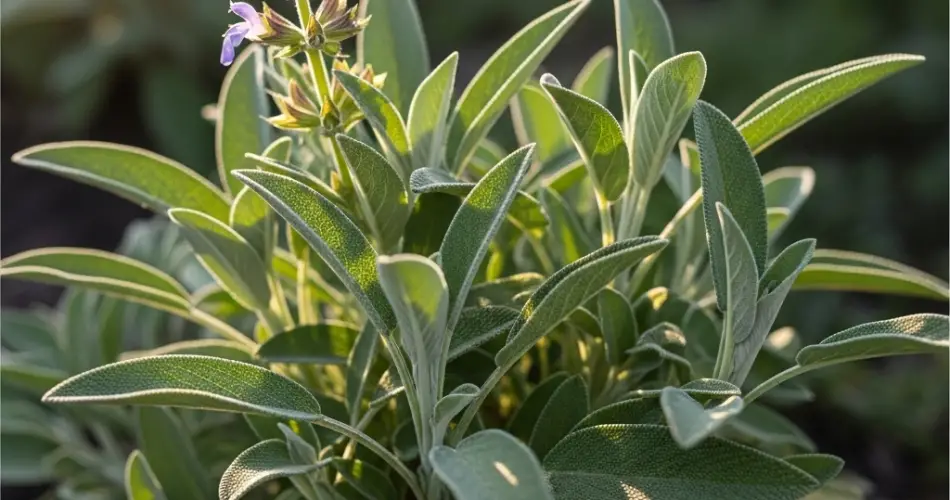
Sage, with its silvery-green leaves and earthy aroma, is a classic herb that has earned a place in both the kitchen and the garden. Traditionally used in roasts, soups, and teas, sage is also valued for its ornamental qualities and medicinal uses. While many people assume you need a large garden to grow it, sage actually thrives in containers, making it an excellent choice for small spaces, patios, and even sunny indoor windowsills.
Container gardening with sage allows you to enjoy fresh leaves year-round while keeping the plant’s growth neat and manageable. With a little planning and proper care, you can ensure this aromatic herb flourishes right at home.
Why Choose Sage for Container Gardening?
Sage is hardy, drought-tolerant, and low-maintenance—qualities that make it ideal for container growth. Unlike some herbs that require constant attention, sage adapts well to varying conditions, provided it has good soil drainage and plenty of sunlight.
Container growing also gives you more control. Sage can spread when grown in open garden beds, but pots keep it compact and easy to harvest. Plus, moving containers around lets you protect plants from heavy rains, extreme cold, or excessive heat.
Picking the Right Container
The first step to growing sage successfully is choosing a suitable pot. Keep these tips in mind:
-
Size: Sage develops into a small shrub, so choose a container at least 12 inches wide and 10–12 inches deep. This gives the roots enough space to establish and keeps the plant stable.
-
Material: Terracotta pots are ideal as they allow excess moisture to evaporate, preventing waterlogged roots. Plastic containers work as well, but you’ll need to be more careful with watering.
-
Drainage: Always ensure your pot has adequate drainage holes. Sage does not like wet roots, and standing water can quickly lead to rot.
Preparing the Soil
Sage thrives in well-draining, slightly sandy soil. A good mix for container growth is:
-
2 parts standard potting mix
-
1 part coarse sand or perlite
-
1 part compost or aged organic matter
This combination ensures the soil retains just enough moisture while preventing water from collecting around the roots. Aim for a soil pH between 6.0 and 7.0, which is slightly acidic to neutral.
Planting Sage
You can start sage from either seeds or cuttings, though many gardeners prefer young nursery plants or cuttings for quicker results.
-
From seed: Sow seeds about ¼ inch deep. Keep the soil lightly moist until seedlings emerge, usually within 2–3 weeks.
-
From cuttings: Take a healthy 4–6 inch cutting from a mature sage plant, remove the lower leaves, and place it in moist soil. Roots typically form within a few weeks.
-
Transplanting: If using nursery plants, gently loosen the roots before planting in the container.
Once planted, water lightly and place the pot in a sunny location.
Light and Water Requirements
Sage loves sunlight. For best results, give your container at least 6–8 hours of direct sun each day. A south-facing balcony, patio, or windowsill is ideal.
When it comes to watering, sage prefers slightly dry conditions. Water only when the top inch of soil feels dry. Overwatering is a common mistake; it weakens the plant and encourages disease. During hot summer days, your sage may need more frequent watering, but always check the soil before adding more moisture.
Feeding and Maintenance
Sage is not a heavy feeder. Too much fertilizer can reduce its flavor and aroma. Instead, add compost to the soil mix at planting and refresh it each year. If your sage looks pale or sluggish, a light feeding with a balanced, diluted liquid fertilizer once a month during the growing season is enough.
Pruning is important for healthy growth. Regularly pinch back the tips of stems to encourage bushier development. Remove any woody or weak stems at the base, and after a few years, consider replacing old plants with new ones, as sage tends to become woody and less productive over time.
Harvesting Sage
Once your sage plant is established and at least 6–8 inches tall, you can begin harvesting. Snip leaves or sprigs as needed, but avoid cutting more than one-third of the plant at a time. Harvesting regularly not only provides you with fresh leaves but also encourages new growth.
Fresh sage can be used immediately in cooking or dried for later use. To dry, hang sprigs in a cool, dark place with good air circulation. Once dry, store the leaves in airtight jars away from direct light.
Overwintering and Longevity
If you live in a region with cold winters, you may need to bring your sage indoors. Place the container in a sunny window, reduce watering, and avoid fertilizing during the dormant period. Outdoors, protect the pot with insulation or move it to a sheltered spot to prevent root damage from freezing.
With good care, container-grown sage can last several years, offering beauty, fragrance, and culinary value.
Conclusion
Growing sage in containers is both practical and rewarding. This aromatic herb thrives with little fuss, making it ideal for beginners and experienced gardeners alike. With the right pot, soil, and care, sage will reward you with flavorful leaves for cooking, a fragrant addition to your home, and a beautiful, low-maintenance plant to admire. Whether on a sunny balcony, patio, or kitchen windowsill, sage is a container gardening success waiting to happen.


