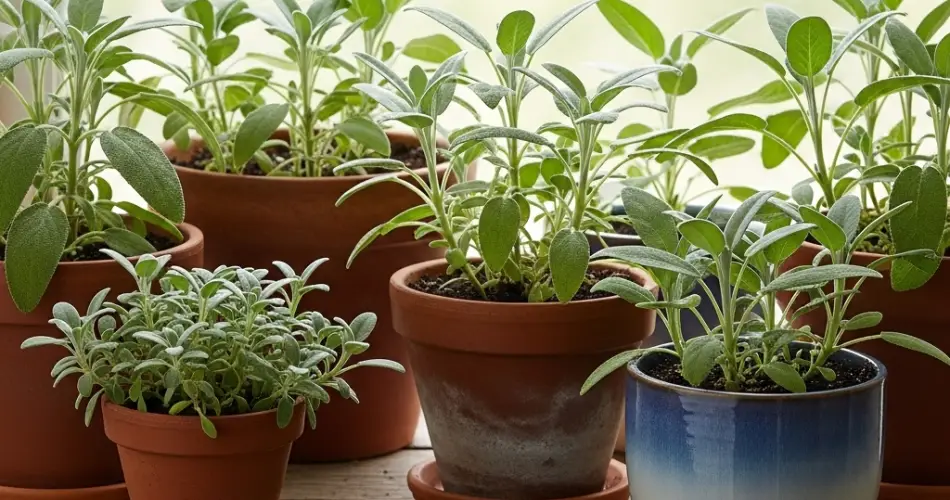
Sage is a fragrant, versatile herb cherished for both its culinary and medicinal uses. With its earthy aroma and soft gray-green leaves, sage is a perfect addition to your balcony garden. Growing sage in pots is not only practical for those with limited space, but it also allows you to enjoy fresh leaves year-round for cooking, teas, and even home remedies. Whether you are a beginner gardener or someone looking to expand your collection of balcony herbs, cultivating sage in containers is simple, rewarding, and highly practical.
Why Grow Sage in Pots?
Growing sage in pots has several advantages, especially for urban gardeners who lack traditional garden beds:
-
Space-saving: Perfect for small balconies, patios, or even sunny windowsills.
-
Mobility: You can move pots to maximize sunlight exposure or bring them indoors during cold weather.
-
Controlled environment: Growing sage in containers lets you regulate soil, drainage, and watering more effectively.
-
Decorative value: Sage plants add greenery and charm to your balcony space with their textured leaves and occasional purple flowers.
These benefits make sage an excellent herb to grow in pots, even if you only have limited gardening space.
Choosing the Right Pot and Soil
Sage thrives best in well-drained soil and requires the right container to grow successfully. Here’s what you’ll need:
-
Container size: Choose a pot that is at least 12 inches wide and deep. This gives the roots enough room to spread while preventing overcrowding.
-
Drainage: Ensure the container has holes at the bottom, as sage dislikes soggy soil.
-
Soil mix: Use a sandy or loamy potting mix. You can prepare a blend of 2 parts potting soil, 1 part coarse sand or perlite, and 1 part compost. This mixture encourages drainage while providing nutrients.
Sage does not thrive in heavy, waterlogged soil. Keeping the growing medium light and well-aerated is key to long-term success.
Planting Sage
Sage can be started either from seeds, cuttings, or young nursery plants. Each method has its advantages:
-
Seeds: Plant sage seeds about ¼ inch deep and keep the soil lightly moist until germination, which usually takes 2–3 weeks. Seed-grown plants may take longer to establish.
-
Cuttings: Propagating sage from cuttings is faster. Take a 4–6 inch cutting from a healthy sage plant, remove the lower leaves, and root it in water or directly in soil.
-
Transplants: Buying a small sage plant from a nursery is the quickest way to start a container garden. Simply transfer it to a larger pot with fresh soil.
Whichever method you choose, position the pot in a sunny spot. Sage thrives with at least 6–8 hours of sunlight daily.
Watering and Care
Sage is a drought-tolerant Mediterranean herb, so it doesn’t require heavy watering. The key is to keep the soil lightly moist without overwatering.
-
Watering schedule: Allow the top inch of soil to dry before watering again. Overwatering can cause root rot.
-
Fertilization: Sage is not a heavy feeder. A light application of compost or an all-purpose liquid fertilizer every 4–6 weeks during the growing season is enough.
-
Pruning: Regular pruning helps keep the plant bushy and prevents it from becoming woody. Trim back long stems and harvest leaves regularly to encourage fresh growth.
During winter, reduce watering and, if your climate is harsh, move the plant indoors to a sunny window.
Harvesting Sage
One of the best rewards of growing sage is harvesting its aromatic leaves. Here’s how to do it effectively:
-
Begin harvesting once the plant is well established, typically after a few months.
-
Pick the outer leaves first, allowing the central growth to continue producing.
-
For cooking, harvest fresh leaves as needed. Sage leaves are best used fresh but can also be dried for long-term storage.
-
To dry sage, tie small bundles of stems and hang them upside down in a cool, airy place. Once dry, store the leaves in an airtight container away from direct light.
Regular harvesting not only gives you fresh herbs but also keeps the plant healthy and encourages new growth.
Culinary and Practical Uses of Sage
Freshly harvested sage is a versatile herb that can elevate your dishes. Some popular uses include:
-
Culinary: Sage pairs beautifully with roasted meats, poultry, potatoes, and stuffing. It’s a key ingredient in many Mediterranean and European recipes.
-
Herbal tea: Brew dried or fresh sage leaves in hot water for a soothing tea that supports digestion and relaxation.
-
Aromatic uses: Sage leaves can be dried and used in potpourri or burned as incense for their pleasant scent.
Having sage growing right on your balcony ensures a ready supply for both cooking and household use.
Final Thoughts
Growing sage in pots on your balcony is a rewarding way to enjoy this aromatic and resilient herb. With minimal care, sage provides a steady harvest of flavorful leaves that enrich your cooking and bring natural fragrance into your home. Its adaptability makes it ideal for container gardening, whether you’re in a city apartment or simply want to add greenery to your outdoor space.
By choosing the right pot, ensuring good drainage, and providing plenty of sunlight, you can cultivate a thriving sage plant that will reward you for years to come. With regular harvesting and pruning, your balcony will always have a touch of greenery and a source of fresh, homegrown flavor.


