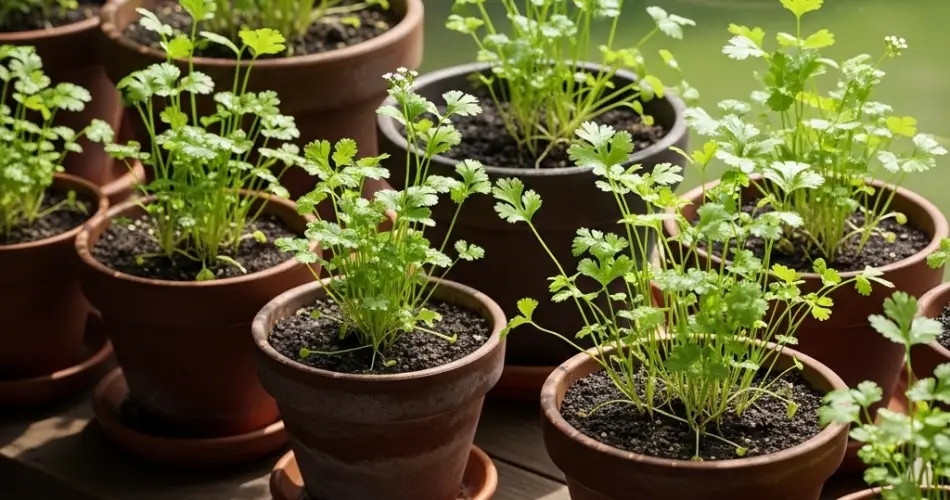
Cilantro, also known as coriander, is a versatile herb cherished in kitchens around the world. Its fresh, citrusy leaves and aromatic seeds enhance a wide variety of dishes, from curries and soups to salsas and salads. The good news for home gardeners is that cilantro is one of the easiest herbs to grow in containers, making it a perfect choice for beginners and those with limited space. Whether you have a sunny windowsill, a small balcony, or a corner of your patio, cilantro can flourish with just a little attention and the right setup.
This beginner’s guide walks you through everything you need to know about growing cilantro in pots—from choosing containers and soil to harvesting fresh leaves for your favorite meals.
Why Grow Cilantro in Containers?
Cilantro thrives in containers for several reasons. First, it has a relatively shallow root system, which means it doesn’t require deep garden beds. Second, container growing allows you to control soil quality, watering, and exposure to sunlight—all factors that greatly affect cilantro’s health and flavor.
Growing cilantro in pots also offers flexibility. You can move containers to follow the sunlight, protect plants from extreme heat, or even bring them indoors when temperatures drop. For beginners, this control makes container gardening an easier and more forgiving way to get started.
Choosing the Right Container
Cilantro grows best in medium-sized pots that give its roots room to spread while preventing overcrowding. Keep these tips in mind:
-
Depth and Width: Choose a pot at least 8–12 inches deep, with a width of 10 inches or more. This depth accommodates cilantro’s long taproot.
-
Drainage: Drainage holes are essential. Without them, excess water can cause root rot.
-
Material: Terracotta pots allow airflow and reduce waterlogging, while plastic pots are lightweight and retain moisture longer. Either can work, as long as you manage watering properly.
If space is tight, you can use recycled containers like buckets, wooden crates, or large jars, provided they have drainage holes.
Preparing the Soil
Cilantro prefers light, well-draining soil that stays slightly moist. A good container mix includes:
-
2 parts potting soil
-
1 part compost or organic matter for nutrients
-
1 part perlite or coarse sand to improve drainage
The soil should be fertile but not overly rich in nitrogen. Too much nitrogen can cause fast growth at the expense of flavor, and it may encourage plants to bolt early.
Planting Cilantro Seeds
Cilantro grows best from seed rather than transplants because its taproot is sensitive to disturbance. To get started:
-
Prepare seeds: Lightly crush the husks to speed up germination.
-
Sow directly: Scatter seeds across the soil surface and cover lightly with ¼ inch of soil.
-
Water gently: Keep the soil moist but not soggy.
-
Spacing: For small pots, sow seeds closely for a cut-and-come-again harvest. In larger pots, leave 2–3 inches between seeds.
Seeds usually germinate in 7–10 days under warm conditions.
Watering and Sunlight Needs
Cilantro prefers consistent moisture. The soil should not dry out completely, but overwatering can be harmful. Check daily, and water when the top inch of soil feels dry.
For sunlight, cilantro grows best with 4–6 hours of direct light. In hot climates, too much sun can stress the plant and cause it to flower prematurely. To prevent this, place pots where they get morning sun and afternoon shade.
Harvesting Cilantro in Pots
Harvesting cilantro is simple and rewarding. Once plants reach about 6 inches tall, you can begin cutting leaves. Use scissors to snip outer leaves, leaving the central growth intact. This encourages the plant to keep producing.
To enjoy a continuous harvest, sow new seeds every 2–3 weeks. This staggered planting ensures you always have fresh cilantro ready, even when older plants begin to flower.
Managing Bolting
One of the biggest challenges for beginners is cilantro’s tendency to bolt, or produce flowers and seeds quickly. Bolting shortens the harvest period, but with good care, you can delay it.
-
Keep the soil evenly moist.
-
Provide partial shade during hot afternoons.
-
Harvest regularly to encourage leafy growth.
Even when cilantro bolts, it’s not wasted. The flowers attract pollinators, and the seeds—known as coriander—are a valuable spice. You can save them for cooking or replant them for future crops.
Tips for Beginners with Small Spaces
-
Use multiple small pots to spread out your harvest.
-
Pair cilantro with other herbs like parsley or dill in a container garden.
-
Take advantage of vertical space by placing pots on shelves or hanging planters.
-
Harvest often—frequent cutting keeps plants productive and bushy.
Conclusion
Cilantro is a rewarding herb for beginners, especially when grown in containers. With the right pot, soil, and simple care routine, you can enjoy fresh, flavorful leaves right outside your kitchen. Whether you’re gardening on a balcony, windowsill, or small patio, cilantro proves that even limited spaces can yield big results. By following these beginner-friendly steps, you’ll always have a fresh supply of this delicious herb on hand to enhance your favorite recipes.


