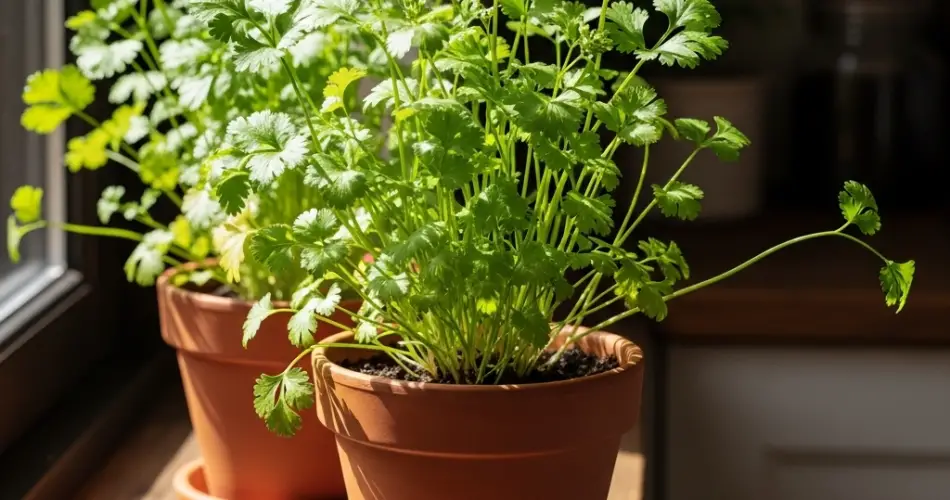
Cilantro is an essential ingredient in countless Mexican-inspired dishes, from vibrant salsas and tacos to hearty stews and refreshing guacamole. Its distinct citrusy, slightly peppery flavor adds brightness and depth to recipes that are beloved around the world. While many people buy bunches of cilantro from the market, growing it yourself in pots is an easy and rewarding alternative. Not only will you always have fresh leaves within reach, but you can also control how it’s grown, ensuring it’s free from harmful chemicals and pesticides.
Even if you have limited space—whether on a balcony, windowsill, or patio—cilantro grows beautifully in containers. With the right care and setup, you can enjoy a steady supply of this versatile herb throughout its season.
Why Choose Pots for Growing Cilantro?
Cilantro naturally has a short life cycle, and growing it in pots offers several advantages that make it easier to manage:
-
Space efficiency: Perfect for small gardens, balconies, or kitchens.
-
Mobility: Containers can be moved to chase the sun or escape intense heat.
-
Controlled environment: You can adjust soil quality, drainage, and watering with ease.
-
Accessibility: Fresh leaves are always just a few steps away from your kitchen.
These benefits make potted cilantro an excellent choice for anyone who loves cooking Mexican-inspired meals.
Choosing the Right Container
Cilantro has a long taproot, so it thrives in deep pots. Shallow containers may restrict growth and stress the plant, leading to premature bolting. For best results:
-
Select a pot at least 12 inches deep and wide.
-
Ensure the pot has good drainage holes to prevent soggy roots.
-
Clay or terracotta pots help regulate soil temperature, while lightweight plastic pots are easy to move around.
If you enjoy growing multiple herbs, consider dedicating one pot just for cilantro, since it prefers cooler conditions than some Mediterranean herbs.
Soil Preparation
Cilantro grows best in light, fertile soil that drains well but still retains moisture. A good potting mix should include:
-
2 parts high-quality potting soil
-
1 part compost for added nutrients
-
A small portion of perlite or coarse sand to improve drainage
Before planting, moisten the soil lightly so the seeds settle in well. Avoid heavy garden soil, which can compact in containers and suffocate roots.
Planting Cilantro in Pots
Cilantro can be grown either from seeds or from transplants, but seeds often produce the best results in containers. To plant:
-
Fill your container with prepared soil, leaving about 2 inches of space at the top.
-
Sprinkle seeds evenly across the surface, then cover them with a thin layer of soil (about ¼ inch).
-
Water gently to settle the seeds without washing them away.
-
Place the pot in a sunny spot that receives 4–5 hours of light daily.
Seedlings usually emerge within 7–10 days. Once they are a few inches tall, thin them out so plants are about 4–6 inches apart.
Watering and Care
Cilantro prefers consistently moist soil but dislikes standing water. A simple rule is to water when the top inch of soil feels dry. To maintain healthy growth:
-
Use a watering can with a fine spout to avoid dislodging soil.
-
Add a layer of mulch (like straw or shredded leaves) to keep soil cool and moist.
-
Fertilize every 3–4 weeks with a balanced, water-soluble fertilizer to encourage leaf growth.
Regular watering is especially important in warmer months, as cilantro tends to bolt quickly if stressed by heat or drought.
Harvesting Cilantro
You can begin harvesting cilantro once plants are 6–8 inches tall. The best method is to:
-
Snip the outer leaves first, leaving inner leaves to keep growing.
-
Avoid cutting more than one-third of the plant at a time.
-
Harvest regularly to encourage bushier growth and delay flowering.
Freshly harvested cilantro is far more aromatic and flavorful than store-bought bunches, making a noticeable difference in Mexican-inspired dishes like salsa verde, pico de gallo, and pozole.
Managing Bolting
Bolting—when cilantro sends up flower stalks and goes to seed—is inevitable but can be delayed. To extend your harvest:
-
Provide partial shade in the afternoon during hot weather.
-
Keep soil evenly moist.
-
Plant new seeds every 2–3 weeks (succession planting) so you always have fresh cilantro ready.
Even if your plant bolts, don’t discard it. The seeds it produces are coriander, another flavorful spice widely used in cooking.
Using Homegrown Cilantro in Mexican Cuisine
Cilantro is a signature flavor in Mexican cooking, bringing freshness and brightness to recipes. Try using your homegrown cilantro in:
-
Guacamole: Add chopped cilantro for a burst of green flavor.
-
Tacos: Sprinkle fresh leaves over grilled meats or vegetables.
-
Salsa: Blend cilantro with tomatoes, onions, and chilies for a zesty dip.
-
Soups and stews: Stir chopped leaves in just before serving for a fragrant finish.
The versatility of this herb ensures it becomes a staple in your kitchen once you start growing it.
Final Thoughts
Growing cilantro in pots is a simple and rewarding way to keep this vibrant herb close at hand for your Mexican-inspired cooking. With the right container, soil, and care, you can enjoy a steady supply of fresh leaves throughout the season. Even when plants eventually bolt, you can collect coriander seeds and continue the cycle.
Whether you have a spacious patio or just a sunny windowsill, cilantro thrives in containers and will reward you with the bright, zesty flavor that brings authentic character to your favorite dishes.


