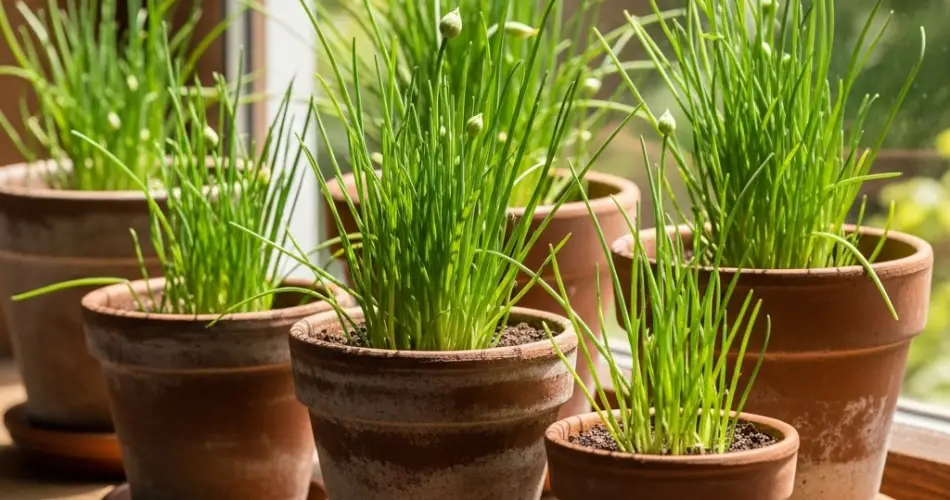
Fresh herbs have the power to transform a simple dish into something extraordinary, and chives are one of the most versatile herbs you can grow at home. With their mild onion flavor and delicate green stalks, chives are a favorite in salads, soups, dips, and as a garnish for countless dishes. The good news is that you don’t need a sprawling garden to enjoy them. Chives grow beautifully in containers, making them accessible to apartment dwellers, balcony gardeners, or anyone with limited space.
Growing chives in pots not only saves space but also makes harvesting convenient. With just a little care, you can have a steady supply of fresh chives right outside your kitchen. This guide will walk you through the essentials of container growing, harvesting techniques, and tips to keep your chive plants thriving year-round.
Why Chives Thrive in Containers
Chives are hardy perennials, meaning they can live for several years with proper care. They adapt well to pots because their shallow root systems don’t require deep soil. As long as you provide good drainage, they are remarkably easy to maintain.
Container growing also offers flexibility. You can move pots indoors during harsh weather, protect them from pests more easily, and position them for maximum sunlight. For urban gardeners, this portability is a game-changer.
Choosing the Right Pot and Soil
The container you choose for chives doesn’t need to be overly large. A pot that’s 6–8 inches deep and at least 8 inches wide is usually enough for one or two plants. If you want a fuller clump, use a larger container and allow more space between each plant.
When it comes to soil, the key is drainage. Use a lightweight, well-draining potting mix enriched with compost. Avoid heavy garden soil, which tends to compact in containers and hold too much moisture. A mix of potting soil, perlite, and a small amount of organic matter is ideal.
Light and Water Needs
Chives love sunlight. Place your container where the plants can get at least 6 hours of direct sunlight per day. A sunny windowsill, balcony, or patio makes an excellent spot. If natural light is limited, supplement with a small grow light to keep the plants vigorous.
Watering should be consistent but not excessive. Chives prefer evenly moist soil, so check the top inch before watering. If it feels dry, give the plant a drink. Overwatering, however, can lead to root rot. In summer, pots may dry out quickly, so keep an eye on them during heat waves.
Caring for Chives in Containers
To keep chives productive, feed them with a diluted liquid fertilizer every 4–6 weeks during the growing season. Organic options, such as compost tea or seaweed extract, work well without overwhelming the plant.
Remove weeds from the soil surface and trim away any yellow or withered stalks. Doing so not only improves the plant’s appearance but also encourages new, healthy growth.
How and When to Harvest
One of the best things about growing chives is how quickly they bounce back after cutting. Within weeks, new shoots replace the harvested ones, ensuring a steady supply.
-
First Harvest: Wait until the plant is at least 6 inches tall before your first cut.
-
Harvesting Technique: Use sharp scissors to snip leaves about 1–2 inches above the soil. Cutting too low can damage the base of the plant.
-
Frequency: Harvest once every few weeks, but never remove more than one-third of the plant at a time. This allows the plant to continue photosynthesizing and producing new shoots.
Chive flowers are edible too. Their purple blossoms add a decorative and mild onion flavor to salads and dishes. If you want to extend leaf production, remove flower stalks as they appear, since flowering can slow down leaf growth.
Storage and Use
Chives are best enjoyed fresh, but you can preserve extras if your harvest is abundant.
-
Refrigeration: Store freshly cut chives in a damp paper towel inside a resealable bag for up to a week.
-
Freezing: Chop and freeze in ice cube trays with water or oil. These can be added directly to soups and sauces.
-
Drying: While possible, drying tends to reduce chives’ delicate flavor, so freezing is usually the better option.
Year-Round Care for Potted Chives
Because chives are perennials, they return every year. In colder regions, overwintering may be necessary. If you live where frost occurs, bring pots indoors and place them near a bright window. During winter, growth slows down, but the plant will perk up again in spring.
Every few years, divide the clumps to refresh growth. Simply remove the plant from its pot, separate the root clump into smaller sections, and replant them in fresh soil. This prevents overcrowding and keeps the plant vigorous.
Conclusion
Harvesting chives from containers is a simple yet rewarding way to bring fresh flavor to your meals. With the right pot, well-draining soil, plenty of sunlight, and consistent care, you can enjoy chives year-round without needing a large garden. Their resilience, ease of harvest, and ability to regrow quickly make them a perfect choice for both beginner and experienced gardeners.
Whether you sprinkle them over scrambled eggs, stir them into soups, or garnish roasted vegetables, having chives at your fingertips ensures that your cooking is always enhanced with fresh, aromatic flavor. With just a few pots and some attentive care, you can transform even the smallest space into a thriving herb garden.