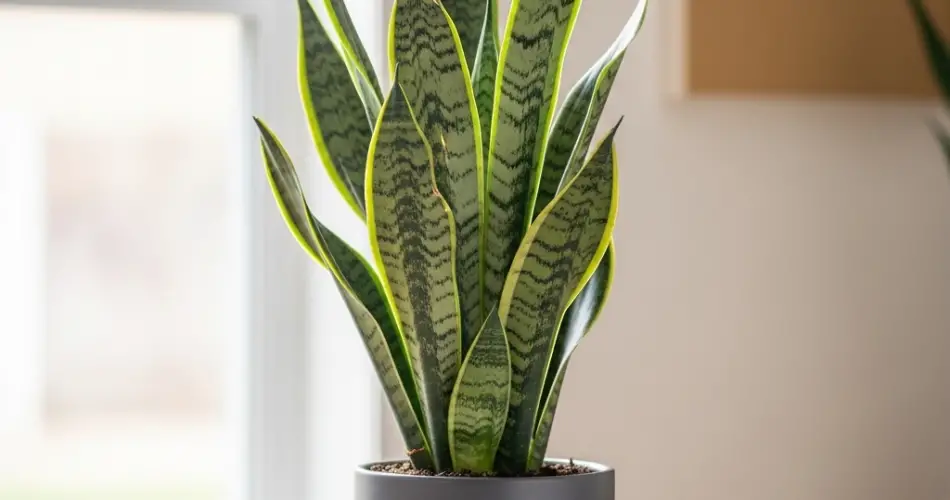
Snake plants (Sansevieria, also known as Dracaena trifasciata) are among the most resilient houseplants you can grow. Their upright, sword-like leaves and striking patterns add modern beauty to indoor spaces, while their ability to tolerate neglect makes them a top choice for busy plant owners. While snake plants can survive with minimal care, they do benefit from a thoughtful fertilizing routine. With the right schedule, you’ll notice healthier leaves, stronger roots, and more vibrant growth.
Do Snake Plants Really Need Fertilizer?
Snake plants are slow-growing and naturally hardy. They can thrive for a long time in basic conditions, even without additional feeding. However, providing nutrients through fertilizer helps them grow at their best. Fertilizer supports leaf production, keeps variegation vivid, and replenishes nutrients that deplete over time in potting soil.
Without occasional feeding, snake plants may still live but will grow more slowly, produce fewer new shoots, and sometimes develop pale or weak-looking leaves. With a consistent fertilizing schedule, your plant will maintain a bold, upright appearance.
When to Fertilize Snake Plants
The most important rule of fertilizing snake plants is timing. Since they grow most actively during the warmer months, fertilizer is only needed during this period.
-
Spring and summer: Fertilize once every 4–6 weeks when the plant is actively growing. This helps support new leaves and keeps existing ones healthy.
-
Fall and winter: Stop fertilizing. Growth naturally slows during cooler months, and extra nutrients may accumulate in the soil, leading to root or leaf burn.
Keeping fertilizer use seasonal prevents overfeeding while ensuring your plant gets the boost it needs at the right time.
Choosing the Right Fertilizer
Snake plants are not heavy feeders, so they don’t require specialized fertilizers. However, choosing the right type ensures safe and effective feeding.
-
Balanced fertilizer: A liquid houseplant fertilizer with an equal ratio such as 10-10-10 (nitrogen, phosphorus, potassium) works well.
-
Diluted formula: Always use fertilizer at half the strength recommended on the package. Snake plants are sensitive to excess nutrients, and diluted feeding is safer.
-
Cactus or succulent fertilizer: These blends are also excellent because they are designed for plants that require less frequent feeding and better drainage.
Organic options, such as compost tea or worm castings, provide a gentle nutrient boost without the risk of chemical buildup.
How to Fertilize Correctly
Feeding snake plants is simple, but following a few guidelines will prevent mistakes:
-
Water first: Lightly water the soil before applying fertilizer. Fertilizing dry soil can damage roots.
-
Apply evenly: Pour the diluted fertilizer solution evenly across the soil surface so nutrients reach all roots.
-
Avoid the leaves: Fertilizer should never sit on the foliage, as it can cause spotting or burns.
-
Check for buildup: If you notice a white crust on the soil surface, salts from fertilizer may be accumulating. Flush the soil with plain water to clear it out.
Signs of Overfertilization
Snake plants are more likely to suffer from too much fertilizer than too little. Watch for these warning signs:
-
Brown or crispy leaf tips
-
Yellowing leaves despite regular care
-
Soil with a salty or white crust
-
Roots that appear burnt or blackened during repotting
If you suspect overfertilization, stop feeding immediately and flush the soil with clean water to remove excess salts. Repotting may be necessary if the damage is severe.
Additional Tips for Healthy Growth
Fertilizing is just one piece of the puzzle when it comes to snake plant care. To make the most of your feeding schedule, combine it with good overall practices:
-
Proper watering: Let the soil dry between waterings to avoid root rot.
-
Light exposure: Bright, indirect light encourages faster growth and better leaf coloration. Low light slows growth, reducing the need for frequent fertilizer.
-
Repotting every 2–3 years: Refreshing the soil provides a new supply of nutrients while giving roots more space.
-
Leaf cleaning: Wipe leaves with a damp cloth to remove dust, improving photosynthesis and helping the plant use nutrients efficiently.
A Simple, Rewarding Routine
One of the best things about snake plants is how little they demand. Unlike fast-growing houseplants that require constant feeding, snake plants only need fertilizer a handful of times each year. By sticking to a light, seasonal fertilizing schedule—once a month in spring and summer, with a complete break in fall and winter—you’ll keep your plant upright, vibrant, and healthy without the risk of overdoing it.
With the right balance of care, your snake plant will continue to thrive as a low-maintenance but stunning addition to your indoor space.


